Escalation of Conflict: Russia’s Recent Devastating Attack on Kyiv and Growing North Korean Involvement

Escalation of Conflict: Russia's Recent Devastating Attack on Kyiv and Growing North Korean Involvement

Russia’s Aggressive Attack on Kyiv

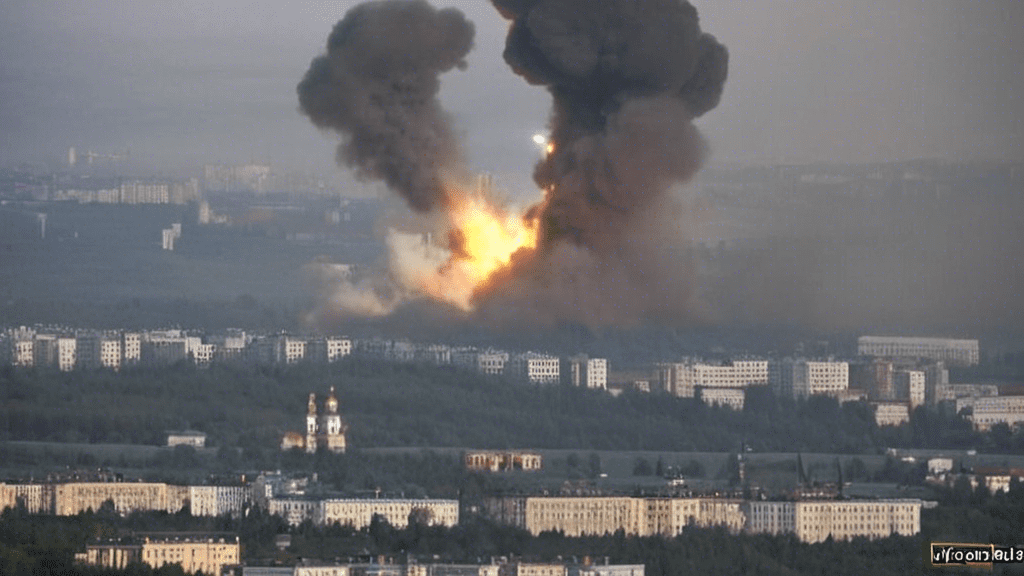
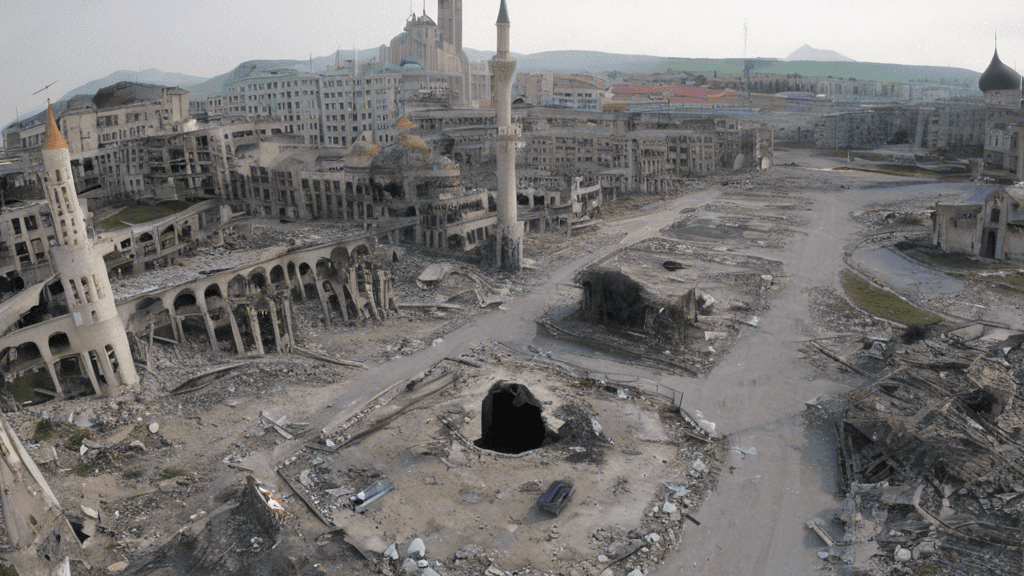
Recently, Russia escalated its campaign against Ukraine with a dramatic combined drone and missile attack on the capital, Kyiv. This was the first major strike in over 70 days, which serves as a stark reminder of the ongoing conflict that has gripped the region. The scale of the attack was significant, comprising six ballistic and cruise missiles along with around 90 drones, aimed at both Kyiv and other areas of Ukraine.

Despite the intensity of the assault, Ukrainian air defenses showcased their resilience by managing to intercept four missiles and an impressive 37 drones. On top of that, electronic jamming efforts prevented an additional 47 drones from reaching their targets. This demonstrates both the effectiveness of Ukraine’s defenses and the continuing level of threat posed by Russian forces.

Casualties and Broader Implications

The attack did not come without its consequences. Sadly, one individual was reported wounded in the suburb of Brovary due to falling debris from a downed drone, while another drone strike in the Kherson region claimed the life of a 52-year-old woman. These incidents highlight the persistent danger civilians face amid the chaos of warfare, with air raid alerts becoming an almost normalized part of life in conflict-affected areas.

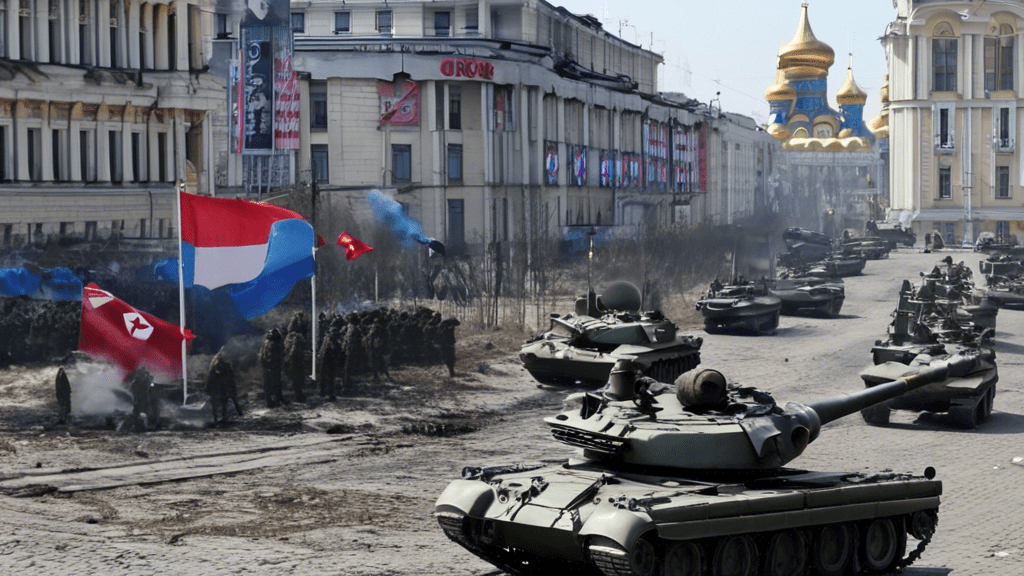
Adding another layer to this distressing situation, there are rising concerns regarding North Korea’s involvement. Recent reports have indicated that North Korean troops are now engaging in combat operations alongside Russian forces, particularly near the Kursk region of Ukraine. Over 10,000 North Korean soldiers have been deployed, signifying an alarming shift in the dynamics of the conflict.

This has prompted strong reactions internationally. U.S. Secretary of State Antony Blinken has stated that North Korea’s military collaboration with Russia will not go unnoticed and will elicit a firm response. Meanwhile, discussions about the future of U.S. aid to Ukraine have grown more urgent, especially with the recent political climate in the States. The ongoing situation puts President Biden’s commitment to enhance military support to Ukraine to the test.

As the conflict unfolds, the civilian population bears the brunt of the ongoing violence. Many residents in Kyiv sought refuge in underground metro stations during the recent attacks, illustrating the pervasive fear and disruption brought on by the persistent fighting. The international community continues to watch closely, as the United States maintains its dedication to aiding Ukraine, with billions allocated for security assistance still on the table.


Houthi Attack on U.S. Navy Warships Raises Global Concerns Over Maritime Security and Trade

Houthi Attack on U.S. Navy Warships Raises Global Concerns Over Maritime Security and Trade

The recent attack by Yemen’s Houthi rebels on U.S. Navy warships has raised eyebrows and concerns globally. On November 11, 2024, two Arleigh Burke-class destroyers, the USS Stockdale and USS Spruance, found themselves embroiled in a tense situation while sailing through the strategic Bab el-Mandeb Strait. This narrow waterway, connecting the Red Sea to the Gulf of Aden, has been a hotbed of military and commercial activity for years.

Details of the Attack

In a coordinated move, the Houthi rebels launched an array of weapons against the American vessels. The assault included at least eight uncrewed aerial vehicles (drones), alongside a mixture of anti-ship ballistic and cruise missiles. However, the U.S. Navy forces were prepared for such an encounter and managed to successfully counter all incoming threats. Remarkably, this meant zero damage to the ships and no injuries reported among the crew members.

Amidst the chaos, the Houthis claimed that their target was the USS Abraham Lincoln, a powerful aircraft carrier. However, those claims quickly fell apart as Pentagon officials confirmed that the carrier was not involved in the attack. Such mixed messages regarding targets speak to the haze of misinformation that can often cloud conflicts in the region.

Aftermath and Economic Consequences

Following the incident, the U.S. Navy and Air Force didn’t sit idly by. Instead, they retaliated with precision strikes aimed at Houthi weapon storage sites, utilizing cutting-edge F-35C Joint Strike fighters from the USS Abraham Lincoln. This response underscores the ongoing military commitment by the U.S. in the region, showcasing their readiness to address threats against their forces.

The attack isn’t just about military maneuvers; it also has profound economic implications. The repeated assaults by the Houthis have effectively halved shipping activity in a corridor that normally facilitates around $1 trillion worth of goods annually. Reports also suggest that the Houthis may be engaging in extortion tactics, charging shippers hefty fees for guaranteed safe passage—potentially raking in around $180 million each month.

This event follows a broader pattern of aggression from the Houthis, who have been increasingly targeting not just U.S. naval forces but also commercial shipping in the area. Previous instances have seen other vessels caught in the crosshairs, as well as downed American drones. As this conflict unfolds, the international community watches with concern over both the security of maritime routes and the humanitarian implications for Yemen itself.

As we look ahead, it’s crucial to understand the significant shifts that can occur due to these military confrontations. Not just between nations, but also how they impact global trade and politics. Keeping an eye on the developments in this region will be essential for gauging the potential ripples in economy and security worldwide.

Columbia Man Arrested for Plotting Drone Attack on Nashville Power Substation

Columbia Man Arrested for Plotting Drone Attack on Nashville Power Substation

In a shocking turn of events, a 24-year-old man from Columbia, Tennessee, named Skyler Philippi, found himself in hot water after being arrested by federal agents. Philippi is charged with some extremely serious offenses, including attempted use of a weapon of mass destruction and attempting to destroy an energy facility. The implications of these charges are far-reaching, as they touch upon issues of national security and domestic extremism.

The Planned Attack

Philippi’s elaborate plan involved using a drone loaded with explosives to target a power substation in Nashville, Tennessee. This isn’t just a simple prank or a misguided attempt at vandalism; it demonstrates a deeply concerning level of thought and intent to inflict harm. His motivations, rooted in extremist ideologies, reveal the alarming reality of individuals who feel compelled to act on their extremist beliefs. Specifically, Philippi has ties to white nationalist groups and holds strong adherence to an accelerationist philosophy which advocates for societal collapse.

The idea of someone using a drone to attack critical infrastructure raises significant alarms. If the attack had been carried out as planned, it would likely have caused widespread damage, disrupting power for countless residents and potentially putting hospital patients at serious risk. It’s a chilling reminder of the vulnerabilities present in our energy systems and the lengths to which some individuals will go to express their ideologies.

Swift Action by Authorities

Fortunately, the FBI was able to step in at the right moment. Thanks to diligent efforts involving confidential informants, the agency thwarted the attack just moments before it was set to take place. This operation showcases the importance of intelligence gathering and community cooperation in preventing potential disasters from unfolding. The successful intervention is a testament to the effectiveness of law enforcement agencies in tackling domestic terrorism and safeguarding public safety.

On November 4, 2024, the Department of Justice made the arrest public, shedding light on the specifics of the case and drawing criticism towards the growing threat of radicalization within the country. Legal professionals believe that Philippi now faces some significant penalties if he’s convicted, showing how serious the judicial system is about dealing with threats of this nature.

The investigation into Philippi’s actions highlights the complexity of dealing with extremist ideologies in today’s society. It serves as a sobering reminder that while most people are working toward constructive societal goals, there are still individuals out there plotting harm under the influence of misguided beliefs. As the story unfolds, it will be essential for both the public and authorities to stay informed and vigilant.

Russia Escalates Conflict: Massive Drone and Missile Attack on Ukraine Amid Ongoing Tensions

Russia Escalates Conflict: Massive Drone and Missile Attack on Ukraine Amid Ongoing Tensions

On November 3, 2024, Russia launched a massive drone and missile attack on Ukraine, marking another chapter in the ongoing conflict between the two nations. This particular attack was significant, involving nearly 100 aerial units including 96 drones and a guided missile, which rattled the airspace over Ukraine, particularly targeting civilian infrastructure.

Ukrainian Defense Against the Assault

In response to this barrage, Ukraine’s Air Force proved resilient, successfully intercepting and destroying 66 of the drones along with the missile. However, the situation was far from perfect as 27 drones fell victim to electronic jamming, while one drone surprisingly made its way into Belarusian airspace. This mix of defenses shows the complexity of modern warfare, and just how crucial electronic warfare has become in protecting airspace.

The aftermath of the attack didn’t come without its toll. Although no casualties were reported, infrastructure damage was evident. Buildings, roads, and power lines, especially in Kyiv’s Shevchenkivskyi and Holosiivskyi districts, took a hit. A fire erupted in the heart of Kyiv, and local emergency crews rushed to handle the situation, demonstrating the persistent threat that these conflicts pose to everyday life in urban areas.

The Bigger Picture of the Ongoing Conflict

This drone attack didn’t occur in isolation; rather, it fit into a broader pattern of aggression. Over the past week leading up to this incident, Russia had unleashed about 900 guided aerial bombs, 500 drones, and 30 missiles onto Ukraine, primarily aimed at debilitating civilian infrastructure. This consistent targeting not only magnifies the physical destruction but also contributes to a heightened sense of fear and instability among the civilian population.

In light of these escalations, Ukrainian President Volodymyr Zelenskyy made a heartfelt appeal to Ukraine’s allies. He emphasized the necessity for long-range weapon systems to bolster Ukraine’s defenses and called for enhanced sanctions against Russia. Zelenskyy raised concerns that without these additional measures, Russia would continue to import essential components for drone and missile production, many of which come from countries like China, the US, and Europe.

These international dynamics underscore the complexity of the conflict. The use of inexpensive drone technologies by Russia, often imitating Iranian-made Shahed drones, reflects an ongoing evolution in warfare tactics. As Ukraine navigates this turbulent landscape, the quest for more comprehensive support from its Western partners becomes even more critical, especially as they seek new ways to push back against ongoing aerial assaults and recover deeper territorial stability.

Ukraine Reels from Escalating Drone Warfare as Russian Assault Intensifies

Ukraine Reels from Escalating Drone Warfare as Russian Assault Intensifies

On November 2, 2024, the skies over Ukraine were once again darkened by the threat of drone warfare as Russia launched an extensive drone attack. A total of 71 Iranian-made Shahed drones were sent spiraling towards Kyiv and other regions, marking a significant escalation in the ongoing conflict. These drone attacks have become a familiar horror for the Ukrainian people, as the war rages on.

Despite the sheer number of drones in this assault, Ukrainian forces showed remarkable resilience. Thanks to their robust air defense measures, they were able to intercept or disrupt most of the drones. Reports indicate that 39 drones were shot down, while an additional 21 were lost due to effective electronic warfare deployed by Ukraine. Unfortunately, five drones managed to turn back towards Russian-controlled territory, leaving a lingering question of how many more attacks could come.

Devastation in Kyiv

The aftermath of the attacks left a wave of destruction in Kyiv, where debris from the intercepted drones wreaked havoc across six city districts. A notable incident occurred in the Sviatoshynskyi district, where a 16-story residential building was struck, resulting in a fire and injuring two occupants. It was a stark reminder that modern warfare can have grave implications on civilian life.

In total, Kyiv reported two injuries, with one person requiring hospitalization due to the fallout from these aerial assaults. As the Ukrainian capital grapples with the aftermath of these drone strikes, residents realize even more the cost of war—both physical and emotional.

Beyond Kyiv: The Ripple Effect

The drone attacks did not spare other parts of Ukraine. Regions such as Sumy, Poltava, and Kharkiv faced the brunt of the assault, experiencing their own share of casualties and infrastructure damage. In particular, Sumy was hit hard when a Russian drone struck a nine-story building, injuring five people, one of whom was severely hurt. These incidents highlight the indiscriminate nature of drone warfare, which threatens lives regardless of location.

Wider damage extended beyond buildings to the roads and vehicles in the surrounding areas, creating a sense of vulnerability across multiple regions. Ukrainian President Volodymyr Zelenskyy responded by emphasizing the continuous nature of this threat; drone attacks have evolved into a significant tool of Russian aggression, indicating that Ukraine’s struggle for safety is far from over. As air raid alerts echoed through the day, Ukraine’s air force remained steadfast in its defense, readying themselves for the next potential strike.

In this ongoing saga, the relentless drone strikes represent more than just military tactics; they symbolize a bitter reality for Ukrainians learning to navigate life under the shadow of war. As residents and leaders alike brace themselves for the challenges ahead, the hope for peace and security remains, surrounded by the grim reality that this conflict is still very much alive.

Escalating Drone Warfare: Iranian Militias Intensify Attacks Against Israel

Escalating Drone Warfare: Iranian Militias Intensify Attacks Against Israel

The landscape of conflict in the Middle East continues to evolve, particularly with the increasing use of drones by Iranian-backed militias against Israel. As of November 1, 2024, this strategy seems to be intensifying, with these groups employing advanced drone technology to expand their range and capabilities. Let’s break down what’s been happening and the implications it carries for the region.

Escalation of Drone Warfare

In recent weeks, the Islamic Resistance in Iraq, which includes various Iranian-backed Iraqi militias, has ramped up their drone attacks targeting Israel. Drones like the Shahed-101 and Shahed-136 have become common elements in their arsenal, with reports of multiple attacks occurring on October 31 and November 1, showcasing a noticeable escalation. This surge not only marks a shift in tactics but also indicates a strategic messaging effort from these groups, signaling their capacity and resolve to challenge Israel.

This spike in drone operations isn’t just a spontaneous outburst; it’s part of a larger retaliatory framework orchestrated by Iranian leadership. Following Israeli Defense Forces strikes on Iranian military positions, Iranian Supreme Leader Ali Khamenei appears to have green-lighted these drone operations as a means to counteract perceived aggressions and demonstrate operational capabilities. Although many drones are being intercepted, the fact that they are being launched daily presents a persistent threat that Israel must continually address.

Strategic Implications

The use of drones serves dual purposes for these militias: it acts as an offensive tool and conducts reconnaissance-in-force operations. By testing Israeli air defenses, these drones help the militias better understand how to counteract Israel’s aerial strategies, refining their techniques in the process. The Shahed-101 has a range of about 600 kilometers, while the Shahed-136 boasts an impressive range of around 2,500 kilometers, enabling them to strike deep into Israeli territory.

Furthermore, these drone operations are part of a broader coalition effort involving other Iranian allies, such as Hezbollah in Lebanon and Houthi forces in Yemen. This regional collaboration opens up various fronts from which Israel must defend itself. The combined actions from these militias create a more complex security environment, prompting Israel to reassess and strengthen its defensive measures.

Interestingly, this strategy also benefits Iran strategically. By utilizing proxy forces like Iraqi militias, Iran can maintain a certain level of deniability regarding the attacks, thus safeguarding its own resources, particularly its dwindling long-range missile stockpile. This enables them to strike at Israel without directly implicating themselves too heavily, complicating Israel’s response options.

Amid these developments, public sentiment in Iran seems to be leaning towards support for the militias’ actions against Israel, with hardline factions celebrating the attacks. Demonstrations in Tehran have shown backing for the military operations, further embedding these actions within the political narrative. The ongoing fighting and the high stakes involved mean that both sides are likely to continue amplifying their responses, keeping the region on edge.

NYC’s Innovative Battle Against Subway Surfing: Drones, Education, and Community Engagement

NYC's Innovative Battle Against Subway Surfing: Drones, Education, and Community Engagement

The Response to Subway Surfing in NYC

New York City has been grappling with the alarming trend of subway surfing, where thrill-seekers ride on top of subway cars or between train cars. The NYPD has recognized the danger this poses, not just to those who surf but also to others using the transit system. To combat this growing issue, the city has introduced a variety of innovative measures, including the use of drones and targeted public awareness campaigns.

Innovative Approaches with Drones

One of the standout strategies in NYC’s response has been the deployment of drones, particularly over the J and 7 lines. These drones allow police to surveil busy train lines, spotting surfers before they can cause harm. According to reports, since the drone program’s inception, it’s credited with saving 114 individuals between the ages of 9 and 33 from potentially fatal accidents. It’s impressive to think that a technological method like this can have such a profound impact on safety.

The drone’s quick flight time of around half an hour enables officers to act swiftly. When surfers are spotted, police can intercept them along the train route without even having to halt service. This method not only ensures the safety of the riders but also keeps the subway operations running smoothly. It’s a seamless integration of tech and law enforcement that’s helping to tackle a modern issue.

However, technology alone can’t fully address the problem. The city is also rolling out public service announcements that target the young demographic. These PSAs feature relatable messages from young people to educate their peers on the risks associated with subway surfing. They are designed to resonate with students, leveraging social media and collaboration with schools to propagate the awareness. Getting schools on board is crucial, as it ensures that the message reaches young individuals directly.

Community Engagement and Ongoing Efforts

In addition to school initiatives, city officials are actively engaging with social media platforms like Meta, Google, and TikTok to curb the glorification of subway surfing in videos. This partnership aims to restrict such content and amplify the message against it, targeting the very platforms where young people spend so much of their time. The urgency of the situation is highlighted by the tragic recent incidents, including the deaths of three individuals under 15. In total, six subway surfing-related fatalities have occurred in 2024 alone.

The growing statistics surrounding subway surfing paint a stark picture, with over 2,500 incidents reported in just the first eight months of this year compared to a mere 490 incidents in all of 2019. These figures clearly indicate that more must be done to keep young thrill-seekers off the roofs of subway cars. There is an outcry for increased community and parental involvement as well—stories from bereaved parents now play a pivotal role in the ongoing educational campaigns aimed at deterring this reckless behavior.

Mayor Eric Adams has emphasized a commitment to this issue, promising that drone operations and other safety measures will persist as long as subway surfing remains a hazard. It’s a multi-faceted effort that blends innovation, education, and community engagement. As NYC continues to tackle this issue head-on, the hope is that the convergence of these efforts will create a safer environment for all subway riders.

Escalating Drone Warfare: The Increasing Toll of the Russia-Ukraine Conflict

Escalating Drone Warfare: The Increasing Toll of the Russia-Ukraine Conflict

Recent Escalations in the Russia-Ukraine Conflict

On October 30, 2024, the ongoing conflict between Russia and Ukraine took a serious turn with a series of drone strikes exchanged between the two nations. These developments represent a major escalation in hostilities, raising concerns over the regional stability and the implications for civilians caught in the crossfire. The share of drone warfare is becoming increasingly significant, and it has changed the landscape of this conflict dramatically.

Casualties and Damage Reports

The recent drone strikes have resulted in at least four fatalities, with dozens more sustaining injuries, particularly in Kyiv where at least nine individuals were reported injured in these attacks. Reports indicated that the Ukrainian capital faced overnight drone strikes that damaged infrastructure and created panic among residents. Notably, a Jewish school in Kyiv suffered severe structural damage, reflecting the indiscriminate nature of modern warfare that impacts educational institutions and starkly highlights the civilian toll of this conflict.

As the drones continue to unleash havoc, the frequency of these attacks is alarming. October 2024 has already seen Russia execute a staggering 19 air attacks on Kyiv alone. This growing reliance on drone strikes foreshadows a potential shift in tactics not just for these two nations, but for military operations globally. The drone warfare being employed is not just a blip on the radar; it signifies a changing dynamic when it comes to conflict resolution and military engagement.

The drone strikes are occurring against a backdrop of serious diplomatic interactions, such as the visit of North Korea’s top diplomat to Moscow around the same time. This context could imply broader geopolitical changes, with nations like North Korea showing signs of increasing involvement in regional conflicts. The interplay of these relationships is critical as it may alter the underlying tensions between Russia and Ukraine further.

While the military officials and Ukrainian authorities have been vocal about the casualties and damage sustained during these attacks, the impact on the local populace is hard to measure. There’s a growing crisis among civilians who are grappling with the psychological impacts of persistent threats from the sky. Families live in constant fear, and the destruction has left a marked imprint on the city’s fabric. The ongoing conflict shows no immediate signs of de-escalation, leaving communities in a state of limbo.

In conclusion, the exchange of drone strikes is not merely a tactical maneuver but encapsulates an ongoing escalation of hostilities between Russia and Ukraine. As both sides continue to bolster their military strategies using drones, the implications for future engagements and innocent lives caught in the crosshairs can be dire. Understanding the full scope of this conflict is essential, especially as we witness the human and infrastructural toll continue to rise.

Strategic Shifts: The Implications of the Historic Drone Attack in Chechnya

Strategic Shifts: The Implications of the Historic Drone Attack in Chechnya

Overview of the Drone Attack in Chechnya

On October 29, 2024, a first-of-its-kind drone attack shook the Chechen region at the Russian Special Forces University, commonly known as the University of Spetsnaz. Located in Gudermes, this facility is notorious for being a training ground for elite military personnel. The incident marks a significant moment not just due to its location but also due to the broader implications surrounding it.

The Details of the Attack

The attack occurred early in the morning at 6:30 a.m., resulting in a fire on the roof of an unoccupied building within the university campus. Thankfully, there were no reported casualties or injuries, and the fire was quickly extinguished. This facility, which bears the name of President Vladimir Putin, boasts a variety of amenities—from swimming pools to classrooms—making it a symbolic target in the ongoing conflict that encapsulates the current geopolitical climate.

Responses to the attack were quick, with Chechen leader Ramzan Kadyrov promising a strong retribution, indicating that Chechen fighters would intensify their efforts in the ongoing military operations. Kadyrov’s comments highlight a personal touch to the conflict, as he emphasized the Cloud of vengeance that loomed from Chechen soil against those who dared to attack it.

Implications and Strategic Value

But this incident isn’t just about local emotions; it also signifies a shift in military dynamics. The attack underlines Ukraine’s burgeoning capability to conduct long-range drone strikes, with Gudermes located approximately 780 miles from Odesa—a poignant reminder of the vast reach these modern drones can achieve. The implications for Russian air defenses are enormous, raising questions about how well-prepared they are to counter such long-range maritime threats.

Kadyrov has also acknowledged that investigative agencies are working to find the culprits behind this attack. Interestingly, this drone strike isn’t isolated, but rather, a part of a larger Ukrainian campaign targeting military facilities linked to Russia’s aggressive maneuvers in Ukraine, including airfields and ammunition supplies.

Let’s not forget the darker aspects that surround this entire scenario. The very forces under Kadyrov’s command have been accused of severe human rights violations throughout the conflict in Ukraine, including torture and extrajudicial killings – a reality that casts a long shadow over any anticipated retaliatory actions. All these dynamics create a tense backdrop that adds complexity to what we can expect in the immediate future.

In essence, this drone attack in Chechnya isn’t just a local event; it reverberates with significant symbolic and strategic implications, both for Ukraine and Russia. As we continue to follow developments in this situation, one thing remains clear: the landscape of warfare is changing, and so too are the stakes involved for all parties in this heated conflict.

Intensifying Drone Warfare: Russia and Ukraine Engage in Complex Air Combat Amid Civilian Casualties

Intensifying Drone Warfare: Russia and Ukraine Engage in Complex Air Combat Amid Civilian Casualties

The ongoing drone warfare between Russia and Ukraine continues to evolve dramatically, with both sides reporting significant interceptions and casualties. As of October 27, 2024, the situation has deepened, showing the relentless intensity of the conflict. With fast-paced developments, both nations have ramped up their air operations, leading to a critical examination of the day’s events.

Russia’s Defensive Moves

On the night of October 27, Russia’s Defence Ministry claimed a notable success, announcing the interception of 51 Ukrainian drones. This move was particularly strategic, as these interceptions were reported across various regions, showcasing a heightened level of vigilance and capability on Russia’s part.

Among the regions where Ukrainian drones were reportedly taken down, the Tambov region stood out, with 18 drones intercepted. This area, nearly 400 kilometers from the Ukrainian border, noted a significant increase in Russian defensive actions. Similarly, 16 drones were taken down near the border town of Belgorod, indicating a concentrated effort to thwart potential Ukrainian offensives. Other regions like Oryol, Bryansk, Lipetsk, and Voronezh also noted attempts at drone incursions, marking a widespread air combat campaign.

Ukrainian Counteractions

On the flip side, Ukraine’s defense forces were also busy, managing to intercept 41 out of 80 Russian drones launched overnight. Their air defense units appeared to excel, especially in regions like Odesa and Kyiv, where most interceptions took place. The data underscores the ongoing cat-and-mouse game between both countries, each leveraging aerial technology in increasingly complicated combat scenarios.

Russian drones were reportedly launched from key locations such as Orel, Kursk, and Primorsko-Akhtarsk, which hints at strategic planning behind these attacks. Ukraine responded with a robust air defense setup involving anti-aircraft missile units, electronic warfare, and mobile fire groups, signaling a well-coordinated effort to protect their airspace.

However, amidst these military maneuvers, the tragic impact on civilians has been harsh. Reports indicate several casualties due to Russian attacks, with at least three civilians confirmed dead in regions like Sumy, Dnipropetrovsk, Donetsk, and Kharkiv. Furthermore, significant damage to infrastructure, including residential buildings and critical sites, adds a grim layer to the ongoing conflict.

The larger context of the war cannot be forgotten. Ukraine has been engaged in ground offensives in the Kursk region since August, managing to reclaim control of several hundred square kilometers of territory. This illustrates the broader complexities of the conflict, where drone warfare is only one facet of a far-reaching and brutal military engagement.