Decoding the Drone Enigma: New Jersey’s Mysterious Skies

Decoding the Drone Enigma: New Jersey's Mysterious Skies

Unpacking the Drone Mystery in New Jersey

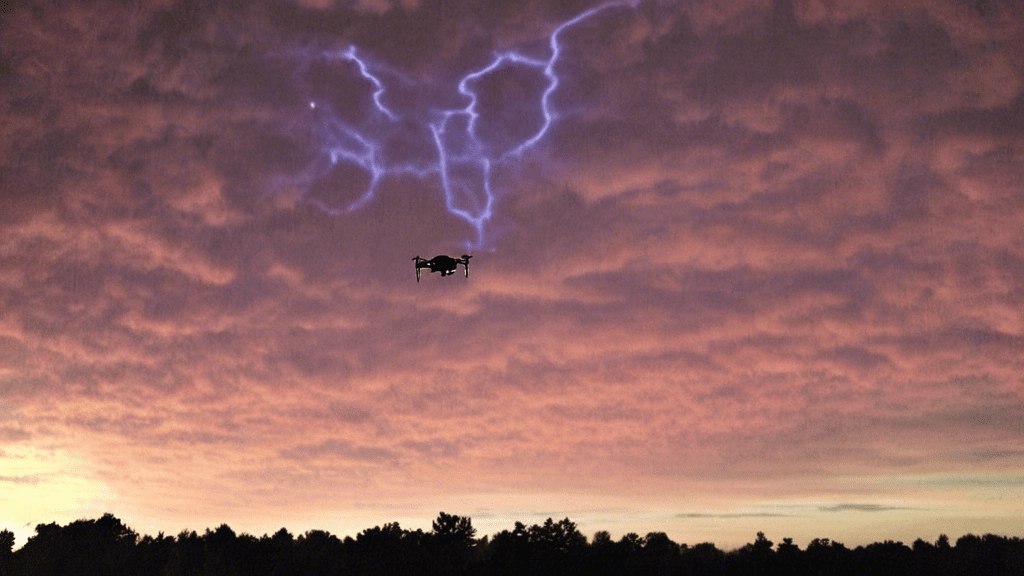
As of December 8, 2024, New Jersey has become the center of attention due to a series of mysterious drone sightings that have taken locals by surprise. These sightings first began on November 18 and, much to everyone’s bafflement, haven’t stopped. The FBI is now directly involved, leading a multifaceted investigation into this unusual phenomenon that’s caught the eye of residents and authorities alike.

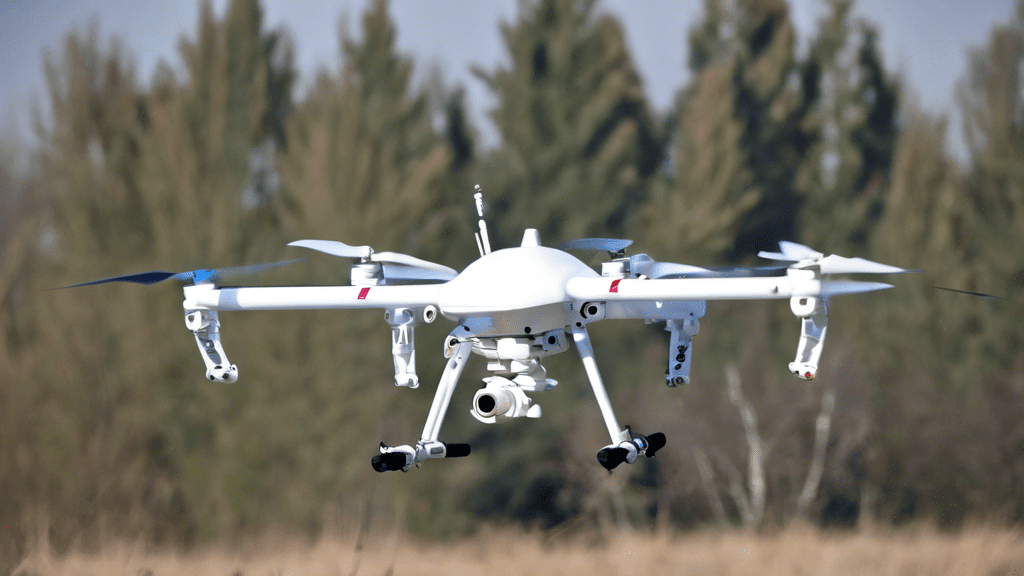
The sightings have been reported across various counties in New Jersey, ranging from Morris and Somerset to the more recent sightings in South Jersey, including Burlington County. Witnesses have described these drones as large and ominous, flying under the cloak of night, illuminated by blinking lights. Some eagle-eyed observers even claim to have seen fixed-wing aircraft, adding to the enigma. It raises the question: what exactly are these drones up to?

The Impact on Community and Response Efforts

While the mysterious drones might sound like a sci-fi thriller, the situation has had real-life consequences. For instance, on November 26, a medevac helicopter was forced to divert due to a drone flying dangerously close to its landing zone. This incident highlights the potential hazards these drones pose, not just for aerial rescue operations but for public safety in general.

The fact that these drones have been spotted near sensitive locations, such as Picatinny Arsenal—one of the U.S. military’s key research facilities—and even near President-elect Donald Trump’s golf course, has only intensified concerns. The authorities, including the FBI and local law enforcement, are scrambling to figure out who is behind these flights and what they might be doing. Although no immediate threat to public safety has been identified, the mystery continues to loom over the skies of New Jersey.

The Federal Aviation Administration (FAA) has taken some precautions, implementing temporary restrictions on drone flights in areas where sightings have been reported. Meanwhile, Governor Phil Murphy is collaborating with federal and state Homeland Security officials, including Secretary Alejandro Mayorkas, to ensure a coordinated response. The aim is clear: get to the bottom of this drone mystery while keeping the community safe.

As investigations progress, authorities are urging the public to get involved. If you see something unusual in the sky, the FBI is encouraging you to report it using their tip line at 1-800-CALL-FBI or through their online submission system. Every bit of information could help unravel this puzzling drone saga.

In the coming weeks, all eyes will remain on New Jersey as law enforcement and federal agencies monitor the situation closely, trying to determine who is operating these enigmatic drones and what their true intentions are. The community is left to wonder what’s next in this unfolding mystery, and it’s clear that everyone is hoping for clarity in a situation that has left many feeling uneasy.
Unlocking the Future: How Drone Technology is Evolving Towards 2025

Unlocking the Future: How Drone Technology is Evolving Towards 2025

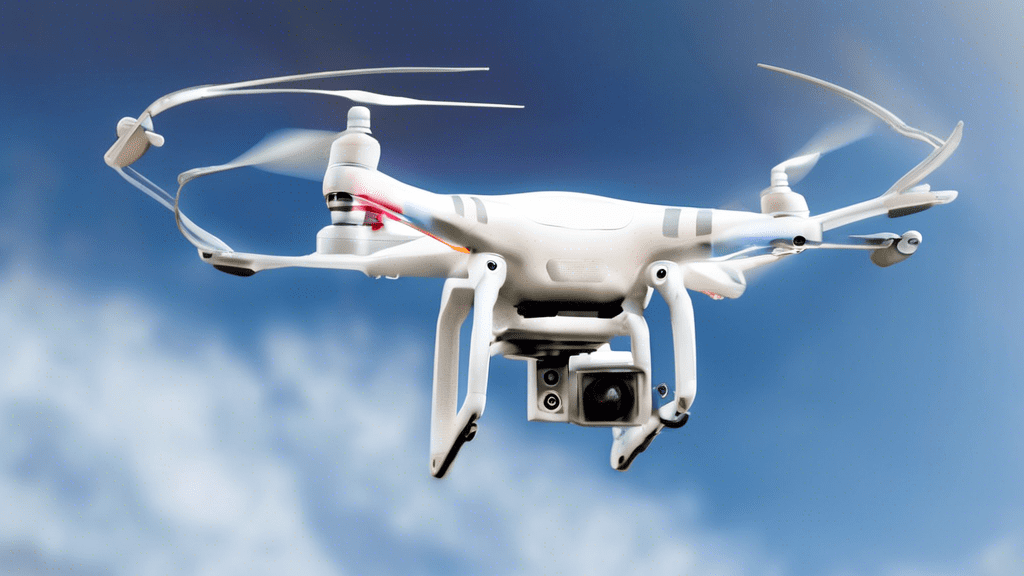
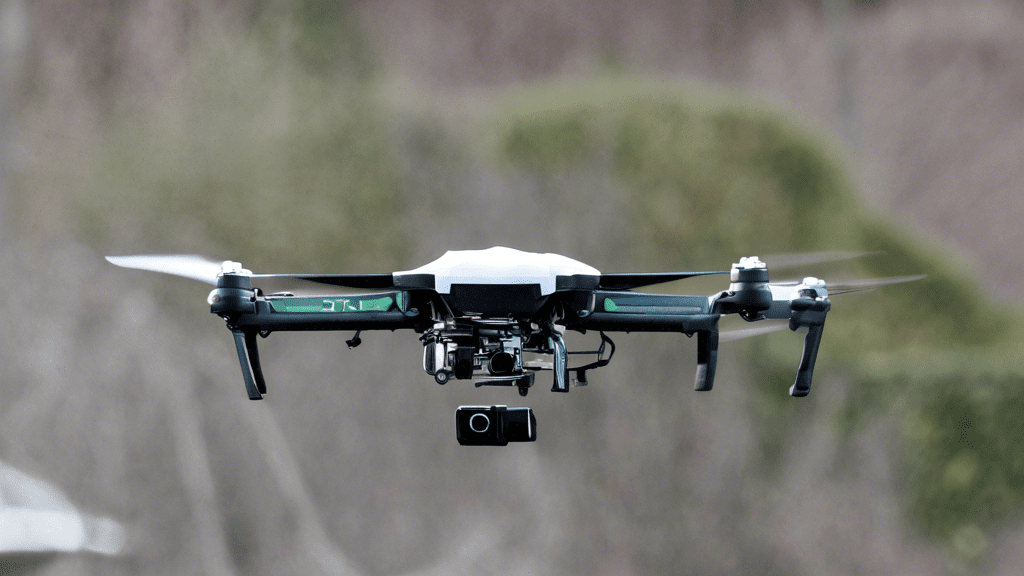
Drone technology is seriously evolving, and it’s hard to keep up with all the exciting trends popping up as we move toward 2025. From autonomous flight to advanced communication networks, there’s a lot happening that could completely change how we see and use drones. Let’s dive into some of the coolest developments that are shaping the future of this tech!

Autonomous Flight: The Dawn of Drones with Smarts

One of the biggest trends in drone technology is the rise of autonomous flight. Thanks to the integration of artificial intelligence (AI) and machine learning, drones can now perform complex tasks with minimal human input. These smart little machines are getting better at navigating tricky environments, making real-time decisions, and reacting to their surroundings. Imagine a drone that can fly through a dense forest without crashing into trees! This advancement not only improves efficiency but also opens up a whole new world of possibilities for various industries.

Adding to this autonomy is the use of sophisticated sensor fusion techniques. By combining data from multiple sources, including cameras, LiDAR, and radar, drones can gain a much deeper understanding of their environment. This improved perception means they can detect and avoid obstacles like pros, making them even more reliable for tasks like search and rescue missions or inspecting infrastructure.

Collaborative and Predictive Features for the Future

Another exciting trend is the concept of swarm intelligence. Drones are not just flying solo anymore; they can work together as a team! Using AI, multiple drones can share information and coordinate their actions. This collaborative approach can significantly enhance efficiency for challenging tasks, especially in search and rescue operations where every second counts. Imagine a fleet of drones swooping in together to locate a missing hiker—how cool is that?

Moreover, with the inclusion of predictive maintenance, drones are becoming even more reliable. AI tech allows them to analyze their own data to predict when they might need repairs or maintenance before a failure happens. This means less downtime, more operations, and reduced costs for users. It’s all about extending the operational life of these flying gadgets!

Lastly, let’s not forget about the advancements in communication networks. With high-speed, low-latency systems like 5G coming into play, drones can transmit data quickly and accurately over larger distances. This is a game changer for beyond visual line of sight (BVLOS) operations, letting drones perform tasks in areas where they can’t be seen directly, such as delivering packages in rural locations or monitoring vast agricultural lands.

As we look forward, it’s clear that the integration of AI, advanced sensors, and improved communication networks is not just a trend; it’s the way of the future for drones. These innovations are paving the way for safer, smarter, and more efficient flying machines that will likely play crucial roles in various sectors—from agriculture to emergency response. Buckle up, because the sky is no longer the limit!

Unraveling the Mystery: Suspicious Drone Sightings Spark Investigation in New Jersey

Unraveling the Mystery: Suspicious Drone Sightings Spark Investigation in New Jersey

The mysterious drone sightings in New Jersey have grabbed everyone’s attention, especially after authorities began investigating reports that started appearing on November 18, 2024. A unified effort among the FBI, New Jersey State Police, and the Office of Homeland Security is underway as they try to get to the bottom of these sightings, which primarily hover around Morris and Somerset counties.

Where Are These Drones Showing Up?

It’s not just a matter of random sightings; these drones have been reported in some pretty notable locations. Many residents have spotted the drones flying along the Raritan River, circling near the Trump National Golf Club in Bedminster, and even above the Picatinny Arsenal, a critical U.S. Army facility in Dover, NJ. With such strategic spots being targeted, it’s no wonder locals are on edge.

Descriptions of the drones are equally intriguing, with several witnesses noting that they appear to be much larger than the everyday hobbyist models. Some even claim they are the size of small cars! When you think about it, it’s pretty wild to imagine a drone that big buzzing around your neighborhood.

The Bigger Picture

But it’s not just the size that’s causing alarm. Witnesses have observed clusters of these drones flying alongside a possible fixed-wing aircraft. This raises even more questions about their purpose and who might be operating them. In one alarming incident, a medical helicopter’s critical landing was canceled due to drone activity over Raritan Valley Community College, illustrating the serious disruptions these drones can cause.

The Federal Aviation Administration (FAA) isn’t taking any chances either. They’ve put temporary flight restrictions in place over these affected areas to help keep the skies safer while investigators dig into the situation. Thankfully, local authorities have reassured everyone that, so far, there is no immediate danger to the public. But that doesn’t mean residents aren’t feeling uneasy. Concerns are mounting, with people describing the drones as strategically placed, adding to the overall feeling of discomfort.

In an effort to clarify this mystery, the FBI is reaching out to the public, asking for any additional information or videos that might help in piecing together what’s going on. Residents are encouraged to report anything suspicious, whether it be a sighting or a video, through the FBI’s tips line. This plea for public assistance shows just how significant these drone sightings are viewed by authorities.

If you think operating a drone is harmless, consider that drone operators can face legal repercussions if they endanger aircraft or people on the ground. Fines could reach up to $75,000, and the FAA has the authority to suspend or revoke pilot certificates. With multiple agencies currently in pursuit of answers, including the Morris County Sheriff’s Office, tensions remain high as investigations continue.

Ukraine’s Drone Production Surge: A Game-Changer in Modern Warfare

Ukraine's Drone Production Surge: A Game-Changer in Modern Warfare

Ukraine’s Drone Production Boom

Ukraine has been making waves in the realm of drone production, especially in the context of its ongoing conflict with Russia. As of December 2024, the country has not only ramped up its existing capabilities but has also exceeded its ambitious goals. Originally aiming to produce 1 million FPV drones in 2024, Ukraine has reported a surplus, heralding a significant milestone in its manufacturing efforts. This surge is a clear indicator of the nation’s commitment to enhancing its defensive and offensive capabilities through advanced unmanned aerial vehicle technology.

In an exciting announcement, President Volodymyr Zelensky revealed that Ukraine’s annual production capacity has soared to a staggering 4 million drones. This figure marks a remarkable increase from their initial estimates and highlights the rapid development of the drone industry within the country. Alongside this, the diversity in drone types being produced is impressive. With long-range drones capable of flying over 1,000 km, strike drones, reconnaissance UAVs, and payload drop drones, Ukraine is well-equipped to tackle various battlefield scenarios effectively.

Grassroots and International Support

The growth of drone manufacturing in Ukraine isn’t just the result of government initiatives; it’s also fueled by a vibrant domestic industry. Over 200 drone-manufacturing companies are now operating across the country, showcasing a thousandfold increase in production since 2022. This significant growth has created jobs and harnessed local talent, demonstrating how a nation can mobilize its resources in times of crisis.

Financial backing plays a crucial role in this expansion. The Ukrainian Ministry of Defense committed about UAH 30 billion (around $0.7 billion) into drone production in the early weeks of 2024, followed by an additional UAH 24 billion in the summer. Such substantial investments underline the priority that drone technology has become in Ukraine’s military agenda.

On the international front, Ukraine is not going it alone. A coalition aiming to raise $1.8 billion by the end of 2024 is in place to bolster Ukraine’s UAV capabilities further. This support not only aids in acquiring advanced technologies but also enhances the strategic use of drones in the ongoing conflict.

Additionally, civilians are playing a pivotal role in this drone revolution. Groups like Social Drone and Tricky Drones have stepped up to assist in drone assembly and production, reflecting a community spirit dedicated to national defense. The integration of these grassroots efforts with high-tech advancements is proving to be a game-changer in how Ukraine approaches its defense strategy.

In light of these developments, innovative tactics are emerging to counter the Russian drone threat. By employing AI and techniques to spoof GPS signals, Ukraine is not just reacting but proactively strategizing to deal with aerial threats. These developments illustrate a rapidly evolving landscape where technology and creativity blend seamlessly to adapt to battlefield challenges.

Walmart Refines Drone Delivery Strategy: Focus Shifts to Dallas-Fort Worth Amid Closures and Innovations

Walmart Refines Drone Delivery Strategy: Focus Shifts to Dallas-Fort Worth Amid Closures and Innovations

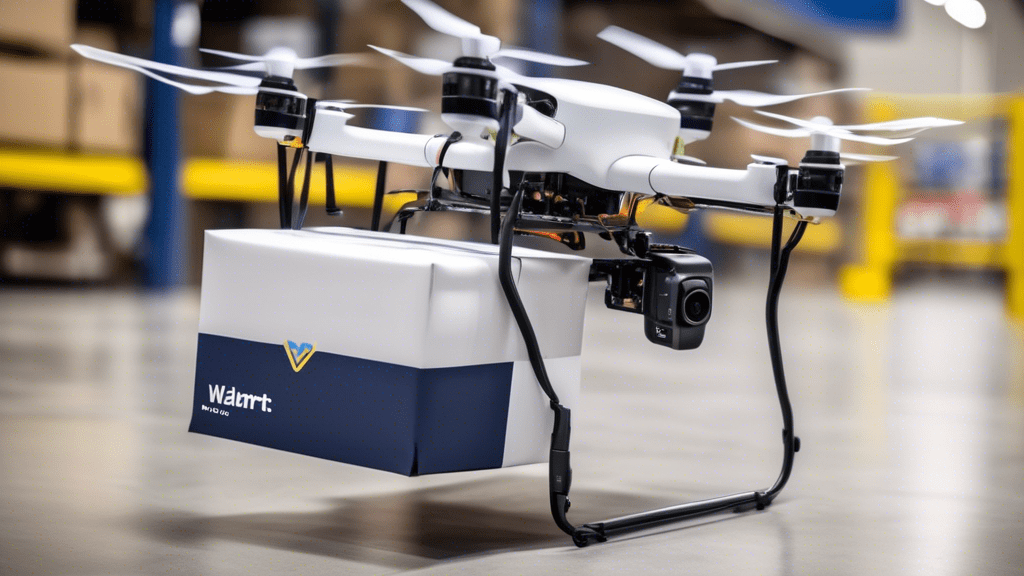
Walmart is making some big moves in the world of drone delivery, and it’s a mixed bag of expansion and contraction. Recently, the retail giant announced plans to scale back its operations in states like Arizona, Utah, and Florida. They’re shifting their focus to the Dallas-Fort Worth (DFW) area, which they see as a prime location for rolling out their drone delivery services. Given the high costs associated with drone delivery, Walmart is making strategic decisions to achieve better scale and efficiency in their operations.

Why the DFW Area?

The DFW area has been pinpointed as Walmart’s key focus for drone delivery. State government support, along with a high concentration of potential customers, makes this region an enticing hub. With favorable weather conditions and terrain for flying drones, Walmart has teamed up with DroneUp to ramp up their efforts here. However, it also means that they’re closing down 18 delivery hubs in places like Phoenix, Salt Lake City, and Tampa. This decision has led to layoffs for about 70 employees, which accounts for a notable percentage of DroneUp’s workforce.

Despite the closures, drone delivery won’t be disappearing entirely. After these changes, services are set to continue at 15 locations across the U.S., including 11 in the DFW area. Other locations include three hubs near Walmart’s headquarters in Bentonville, Arkansas, and one in Virginia Beach. This reduced footprint is part of a broader strategy to streamline operations and focus on areas that can deliver more bang for the buck.

Challenges and Innovations

One of the pressing challenges Walmart faces in its drone delivery venture is the high cost associated with each delivery. Currently, DroneUp incurs about $30 per delivery. That’s a price point they’re working strategically to reduce to below $7, similar to conventional ground-based delivery options. That’s quite an uphill task, but there are ongoing technological advancements aimed at making this possible. New drones under development not only come with features like higher payload capacity but can also zoom through the skies at 60 mph, covering 30 miles to deliver packages weighing up to 10 pounds.

To further enhance their capabilities, Walmart is also joining forces with other drone companies, such as Wing and Zipline. These partnerships are crucial as they have FAA approvals for Beyond Visual Line of Sight (BVLOS) operations, opening up more flexibility in delivery routes and practices. It’s all about creating a well-rounded delivery ecosystem to tackle the challenges that come with drone logistics.

For customers, the benefits of Walmart’s drone delivery services are becoming increasingly apparent. With the ability to receive items in as little as 10 minutes, these services are perfect for those last-minute needs—think birthday gifts, medication, or even groceries. The integration of this service into the Walmart app ensures that DFW customers can seamlessly order thousands of everyday items and have them whisked to their doorstep quickly. As Walmart continues to solidify its presence in drone delivery, it remains to be seen how they balance cost, technology, and customer satisfaction in this evolving market.

Join Us for the Public Safety Drone Review: Insights, Innovations, and Challenges

Join Us for the Public Safety Drone Review: Insights, Innovations, and Challenges

Get Ready for the Public Safety Drone Review

Mark your calendars because on December 3, 2024, at 3:00 PM EST, an exciting event is set to take place: the Public Safety Drone Review. This is not just another webinar; it’s a significant opportunity to dive into the world of drones and their impact on public safety. Whether you’re a seasoned pro or just dipping your toes into the drone pool, there’s something here for everyone. So grab a comfortable seat, and get ready to learn about the latest trends and innovations that are shaping the future of public safety drones.

Meet the Hosts and Key Topics

The event will be hosted by some big names in the drone industry: Tim Martin, Director of UAV Training at the Regional Training Center; Miriam McNabb, Editor-in-Chief of DRONELIFE; and Charles Werner, Director of DRONERESPONDERS. With a lineup like this, you can expect insightful discussions that cover not just the major stories from 2024 but also the technological advancements that are pushing the envelope in drone capabilities.

What can you expect from the content? The hosts will delve into the critical role drones play in emergency response and disaster management, showcasing exactly how they’re saving lives and enhancing operational efficiency. Plus, they’ll be helping you understand emerging trends and technologies that are influencing the field. It’s a comprehensive look at where we stand now and where we’re heading in the world of public safety drones.

Tackling Challenges and Resources Available

While this event is primed to celebrate successes, it won’t shy away from addressing the challenges faced by public safety agencies in integrating drones into their operations. As the technology evolves, so do the hurdles—be it regulatory, training, or technical difficulties. This discussion is vital for anyone involved in the field, providing a platform to share experiences and solutions.

One of the best parts? The event is completely free and open for registration. Not only can you catch it live, but it will also be available later on the DRONELIFE TV YouTube channel, so no worries if you can’t make it at the scheduled time. Plus, for those eager for more, there’s a treasure trove of past episodes and discussions available online. That’s what we call a resource goldmine!

Whether you’re a drone pilot looking to expand your knowledge, a public safety official keen on leveraging technology, or simply someone curious about the future of drones, the Public Safety Drone Review is an event you won’t want to miss. With expert insights and a focus on both challenges and innovations, it promises to be a top-tier experience. So, are you ready to explore the skies?

Resilience Amidst Chaos: The Impact of the Recent Drone Attack on Ternopil

Resilience Amidst Chaos: The Impact of the Recent Drone Attack on Ternopil

Understanding the Drone Attack on Ternopil

On December 2, 2024, the quiet city of Ternopil, Ukraine, was jolted by a drone attack that targeted a residential building. This incident marked a grim continuation of the ongoing conflict between Ukraine and Russia. The nature of this attack has raised eyebrows and sparked discussions about security and civilian safety in a region that has already felt the heavy weight of war.

Casualties and Emergency Response

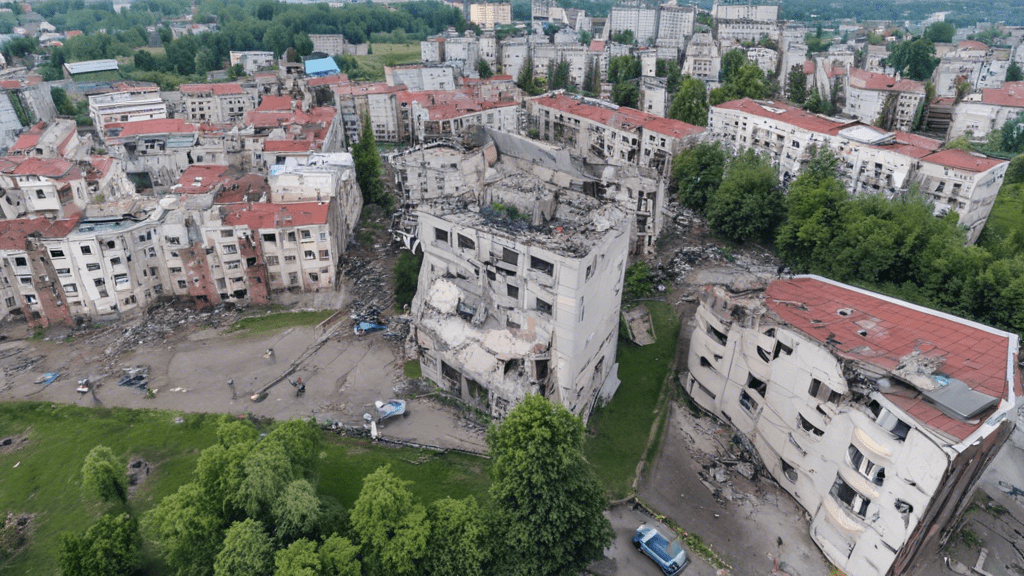
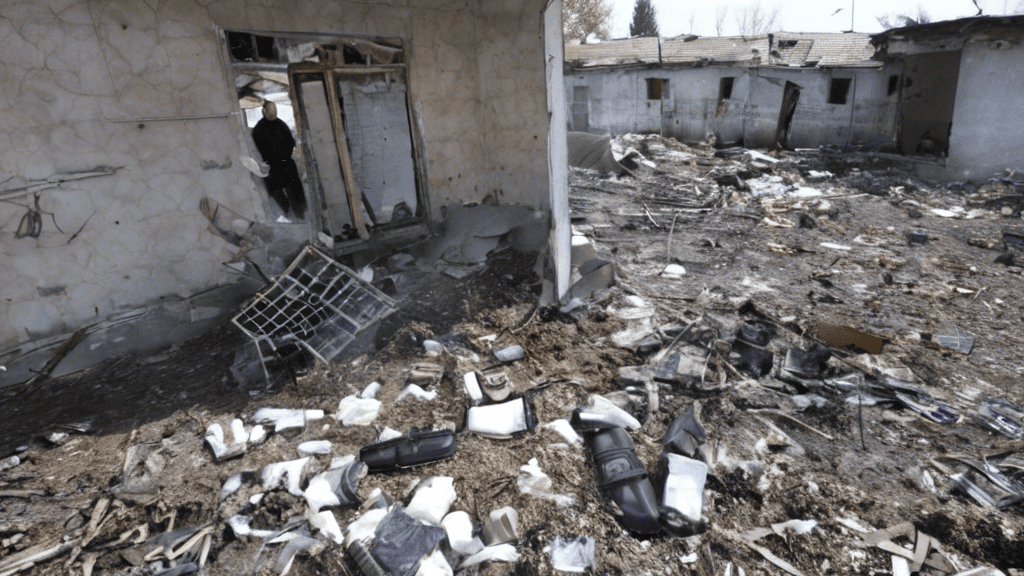
Tragically, the drone strike resulted in the death of one individual, with several others sustaining injuries. The fire ignited by the drone caused significant damage, engulfing the top floor of a five-storey apartment building. As emergency services sprang into action, many residents were evacuated from their homes, highlighting the urgent need for disaster response in such unpredictable times. The chaotic scenes of evacuation were a stark reminder of the perilous nature of life in conflict zones.

In addition to the immediate consequences of the attack, the entire region was placed under air raid alerts for several hours. This heightened state of vigilance followed similar alerts from the previous week, showcasing a worrying trend of intensifying aerial strikes in the area. It’s puzzling how daily life continues amidst the uncertainty, illustrating the resilience of the people living in Ternopil.

The drone strike on December 2 is not an isolated event either; it follows a significant attack just days earlier, on November 26, which severely disrupted infrastructure and power supplies in Ternopil. This pattern suggests that the conflict is escalating, putting even more pressure on civilian lives and infrastructure.

The Ongoing Conflict Context

Ternopil, located around 220 km east of Poland, had a thriving population of over one million prior to the onset of the war in February 2022. The sustained anxiety about drone attacks and military strikes lingers in the air. Both Russia and Ukraine assert that they are not targeting civilians, yet incidents like this bring that claim into question. With residential areas frequently caught in the crossfire, the reality of their statements is often under scrutiny.

Interestingly, despite the seriousness of the situation, Russia opted not to comment on the attack in Ternopil specifically. This silence can feel unnerving for those living in the affected regions, leaving residents with more questions than answers about their safety and future. With attacks occurring regularly, a sense of helplessness often permeates through the communities hit hardest.

As the conflict continues, the people of Ternopil show resilience, but it’s a resilience stretched thin by the constant threat of violence. Each drone attack serves as a sorrowful reminder of the ongoing struggle for peace and security in a region heavily impacted by aerial bombardments. As the world watches, it’s clear that Ternopil’s journey towards normalcy is complicated, to say the least.

Revolutionary Drone Technology at University of Southampton Enhances Safety and Efficiency with Real-Time Monitoring

Revolutionary Drone Technology at University of Southampton Enhances Safety and Efficiency with Real-Time Monitoring

Groundbreaking Drone Technology from the University of Southampton

There’s some exciting news coming out of the University of Southampton! Researchers there have developed a revolutionary drone technology that’s shaking up the world of aerial robotics. Spearheaded by Dr. Chris Holmes and Dr. Martynas Beresna from the Optoelectronics Research Centre, this drone isn’t just any flying machine. It’s equipped with a sophisticated nervous system that allows it to monitor its health in real-time, making it safer and more reliable than traditional models.

What sets this drone apart is its innovative nervous system, which works similarly to human nerves but relies on fiber optics instead of electricity. This clever design keeps the drone safe from pesky radio interference, allowing it to maintain a clear line of operation in various environments. By using light to monitor its systems, the drone embodies a blend of cutting-edge technology and biological inspiration, marking a significant leap in drone capability.

Real-Time Health Monitoring and AI Integration

The real magic happens with the drone’s ability to continuously monitor its structural health while in flight. This is achieved through a process called optical speckle, which enables the drone to project images that detect stressors and potential faults in its structure. But it doesn’t stop there! These images are processed by artificial intelligence algorithms, allowing the drone to assess its condition and alert the ground team of any issues—without interrupting the flight. Talk about high-tech self-awareness!

This combination of real-time monitoring and AI interpretation isn’t just a neat trick; it enhances the autonomy and efficiency of the drone. Thanks to this tech, the drone can operate longer without needing frequent stops for manual inspection, which can be pretty time-consuming. Speaking of time, researchers believe that their creation has the potential to truly optimize flight time, making drone operations not only safer but also more cost-effective.

The applications for this advanced drone technology are extensive. Think about industries like logistics, transport, and emergency response—this drone could make a significant impact in how goods and services are delivered and how emergencies are managed. With the drone sector projected to contribute up to £45 billion to the global economy by 2030, it’s clear that the implications of these advancements are enormous.

So where does this all lead? The team has been testing the system on a drone designed to carry emergency equipment, managed by aerospace engineer Toby King-Cline and a group of eager students. Their goal is to bring this cutting-edge system to market by 2025, with the backing of the university’s Future Worlds acceleration program. Who knows? The future of drones could look drastically different thanks to the innovative strides being made at the University of Southampton!

Escalation in Russia-Ukraine Conflict: Unprecedented Drone Assaults Worsen Humanitarian Crisis

Escalation in Russia-Ukraine Conflict: Unprecedented Drone Assaults Worsen Humanitarian Crisis

The ongoing drone attacks amid the Russia-Ukraine war are as intense as ever, especially with recent developments. On November 26, 2024, Russia launched its most significant drone assault yet, deploying nearly 200 drones aimed at various Ukrainian cities. This marked a disturbing escalation in the conflict, adding another layer of complexity to an already dire situation.

Defensive Measures and Civilian Impact

Despite the massive scale of the drone attack, Ukraine’s defense systems managed to intercept a substantial number of the incoming threats. Reports indicate that out of over 100 drones, 88 were successfully shot down, while 41 fell victim to ongoing countermeasures. Sadly, this incident resulted in one fatality and eight injuries, underscoring the relentless danger that civilians face amidst these aerial assaults.

This trend of drone warfare isn’t just a fleeting tactic. Since September, Russian forces have continued to launch repeated waves of attacks, targeting not just military objectives but also critical civilian infrastructure. The consequences have been dire, particularly for Ukraine’s energy network, which has suffered extensive damage affecting at least 13 regions, including the capital, Kyiv. This situation has led to widespread blackouts, leaving over a million people without power.

Humanitarian Crisis and International Law

The ramifications of these drone strikes go beyond the immediate casualties and damage. The targeted attacks on energy infrastructure have ignited concerns for vulnerable populations—older adults, those with disabilities, and internally displaced persons are particularly at risk. Essential services such as water supply, transportation, and heating are increasingly jeopardized, plunging many into a humanitarian crisis.

Moreover, these systematic drone strikes raise serious questions regarding Russia’s adherence to international humanitarian law. The principles of distinction, precaution, and proportionality seem to be consistently overlooked, leading to an escalation in civilian suffering. As countries around the globe closely monitor this situation, it remains evident that the humanitarian implications are dire and far-reaching.

In response to these ongoing threats, several nations have stepped up their military assistance to Ukraine, providing crucial support. Canada, for instance, has donated a NASAMS system, while Sweden is helping fund the production of long-range missiles and drones within Ukraine. The UK has also contributed by delivering additional Storm Shadow cruise missiles, demonstrating a significant commitment to Ukraine’s defense.

As the conflict evolves, it’s clear that Russia continues to innovate its military strategies. They are testing new technologies, including flamethrower drones aimed at countering Ukrainian defenses. However, the practical effectiveness of such tools remains questionable. The involvement of countries like North Korea, which has been supplying troops and weaponry to Russia, adds another intriguing layer to this conflict, prompting emergency diplomatic responses from NATO and other international players.

Escalating Drone Warfare: A New Phase in the Russia-Ukraine Conflict

Escalating Drone Warfare: A New Phase in the Russia-Ukraine Conflict

The escalation of drone attacks in the Russia-Ukraine conflict has taken a sharp turn, especially as we near the end of 2024. As of November 29, Russia has ramped up its drone campaigns against Ukraine, and the implications are becoming more serious than ever. The frequency and intensity of these attacks are not just numbers; they represent lives affected and infrastructure damaged amidst a backdrop of a protracted and heartbreaking conflict.

Russia’s Unprecedented Drone Warfare

As we head into the final stretch of 2024, Russia has launched a record number of drone strikes primarily targeting Ukraine. These assaults have not been random; they have specifically aimed at apartment blocks and critical infrastructure in 17 different regions across the country. Yukrainian civilians continue to bear the brunt of these attacks, with the Russian drones even striking a children’s medical center in Kyiv, causing damages and unfortunately, injuries. This situation creates a heavy atmosphere of fear and uncertainty for families trying to go about their daily lives.

It’s evident that the Russian strategy has intensified, likely to create a domino effect—both psychologically and materially—against Ukraine. These drone strikes signify more than just military tactics; they represent a calculated move to instill fear among civilians and undermine the infrastructure that supports Ukrainian life and defense.

Ukrainian Responses and the Broader Military Picture

Nevertheless, Ukraine is not sitting idly by. They have been proactive in their responses, launching drone strikes targeting critical military facilities within Russia itself. Reports confirm that Ukrainian drones have hit the 13th GRAU arsenal in Russia’s Novgorod region, where various types of military ordnance, including Iskander ballistic missiles, are stored. This indicates a shift where Ukraine is attempting to take the fight to the enemy directly, retaliating against those strikes aimed at their own people.

Interestingly enough, while these drone attacks escalate, Russian air defenses have been put to the test. Just on November 29, air defenses were activated across various regions in Russia as a response to the increasing frequency of Ukrainian strikes. Initial reports revealed that Russian forces managed to down about 30 Ukrainian drones in the Rostov region early on the same day. This cat-and-mouse game pushes both sides to rethink their positions and strategies constantly.

Adding further complexity to the conflict are incidents within Russia itself. Explosions were reported in Tuapse, Krasnodar Krai, apparently due to a drone hit that activated air defense systems in the area. Another notable incident involved a drone attack that sparked a fire at the Atlas oil depot in Rostov. These events show that the conflict is not contained within borders and is spilling over with real repercussions on both sides.

Beyond the immediate effects of military engagement, the ongoing conflict continues to reverberate on a global scale. Economies are affected, with rising prices for goods as countries grapple with supply chain disruptions. Even traditional celebrations, like Thanksgiving in the U.S., reflect these wider implications. As the situation remains fluid, one can only hope for resolution—but for now, the drone warfare saga in this conflict appears far from over.