Escalating Drone Threats: Israel’s Ongoing Struggle for Security Amid Regional Tensions

Escalating Drone Threats: Israel's Ongoing Struggle for Security Amid Regional Tensions

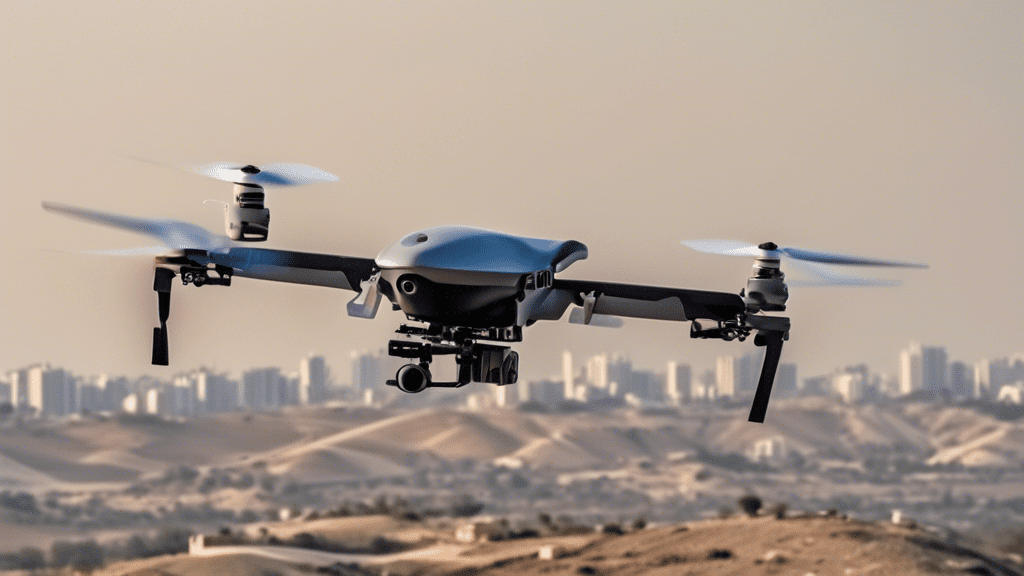
The recent escalation of drone incidents off the coast of Israel has put a spotlight on the tense dynamics between Israel and its neighbors, particularly Lebanon. On Saturday night, the Israel Air Force (IAF) intercepted a rogue drone that was launched from Lebanese territory, marking yet another chapter in the ongoing conflict in the region. This incident illustrates the persistent security challenges that Israel faces from various militant groups, reflecting an environment where aerial threats are becoming increasingly common.

Ongoing Tensions and Military Responses

The drone interception was not an isolated event; it fits into a troubling pattern of aggression that has seen multiple drones being intercepted over the Western Galilee region. The Israel Defense Forces (IDF) are actively engaged in operations targeting not only Hamas in Gaza but also they’ve extended their focus to Hezbollah positions in southern Lebanon. This includes recent airstrikes on command centers and other significant infrastructure in Dahiyeh, a known Hezbollah stronghold in Beirut. As tensions rise, these military actions underscore Israel’s commitment to neutralizing threats before they escalate into broader conflicts.

The incident is further complicated by the ongoing hostage crisis, with 101 individuals being held in Gaza, including several Americans. Families of the hostages are actively seeking dialogue with the incoming Trump administration, hoping for renewed efforts to secure their loved ones’ release. This humanitarian aspect only adds layers of complexity to a volatile military situation, as the IDF grapples with both military and diplomatic challenges.

International Perspectives and Future Implications

While the immediate focus is rightly on the Israeli-Lebanese theater, there are broader implications to consider regarding drone technology and its use in conflicts around the world. Recent reports of unidentified drones spotted near strategic military assets in Europe and the US point to a growing trend of drone utilization that transcends borders and conflicts. This underscores a need for international discourse on drone regulation and security protocols as nations face new threats of aerial surveillance and attacks.

Within Israel, the situation remains precarious, with security alerts echoing across northern regions like Bar’am, Rosh HaNikra, and Metzuva. Sirens have become common as the populace remains on edge due to the potential for further drone activity and other militant threats. The IDF’s recent dismantling of an Iranian-made cannon aimed at Israel highlights a proactive approach to ensuring national security amidst these continuous threats.

The ongoing drone incidents represent not just localized confrontations but also contribute to a complex narrative of regional stability and international security. As Israel maneuvers through these threats, the interplay of military readiness, diplomatic negotiations, and international awareness will likely shape the future landscape of security in the region. Whether through military action or diplomatic engagement, the goal remains clear: to secure peace and safety for all impacted populations.
North Korea Escalates Military Capabilities with Mass Production of Suicide Drones

North Korea Escalates Military Capabilities with Mass Production of Suicide Drones

North Korea’s Push for Suicide Drones

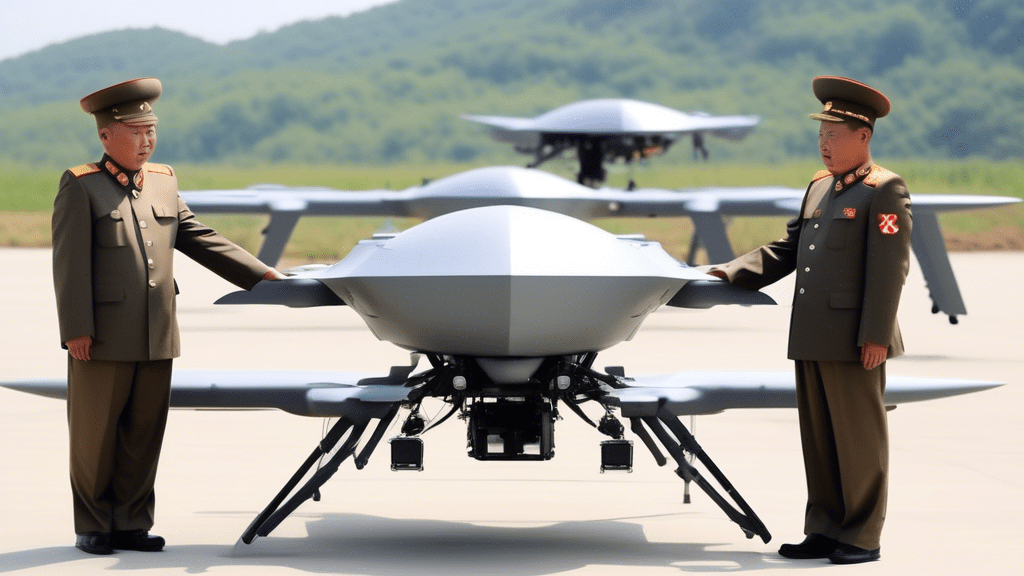
North Korea is making headlines again, and this time it’s not just about missile launches or nuclear talks. Kim Jong Un has thrown his weight behind the mass production of suicide drones, marking a significant shift in the nation’s military strategy. After successful tests of these unmanned aerial vehicles (UAVs), the leader believes it’s high time to become a player in the modern military landscape where drone warfare is becoming increasingly prevalent.

Military Evolution and Development

During recent military briefings, Kim emphasized the importance of updating North Korea’s military strategies to accommodate the new technology which is being widely adopted globally. He highlighted that suicide drones are not just a novelty but crucial tools in modern warfare. After overseeing tests that revealed impressive accuracy against both land and sea targets, it seems Kim is determined to incorporate these drones as lateral weapons in his arsenal.

But what does this mean for North Korea’s military capabilities? Well, Kim has instructed the defense industry to ramp up production faster than ever. He’s calling for a rapid establishment of a serial production system, which means we could see these drones rolling out in large numbers sooner than we think. Alongside the suicide drones, there’s also a call for developing reconnaissance and even underwater drones, showing a broadening scope in North Korea’s tech ambitions.

The Bigger Picture

The push for drone technology is set against a backdrop of increased military cooperation between North Korea and Russia. As tensions rise Ukraine, North Korean forces are reportedly receiving training on drone warfare from Russian military personnel. Moreover, there have been whispers that North Korean troops are helping out Russian forces in their ongoing conflict, which raises eyebrows about the longstanding alliance’s future.

Another layer to this development is the mutual defense treaty recently ratified between North Korea and Russia. This means that both nations have agreed to come to each other’s aid if one of them is attacked. In a world where alliances are constantly being tested, this treaty could lead to more serious implications down the line.

Experts and analysts alike are keeping a watchful eye on the situation, mainly due to the concerns surrounding the potential export of these drone technologies. With drone warfare already being utilized in places like Ukraine, there’s a fear that North Korea could sell these new suicide drones to Russia, further complicating the already tense geopolitical landscape. Additionally, the possibility of these drones being used for terrorist activities, especially near the South Korean border, is a significant concern, indicating that the implications of this move could be far-reaching.

Kim Jong Un Showcases Military Power and Accuses U.S. of Hostility at Pyongyang Defense Expo

Kim Jong Un Showcases Military Power and Accuses U.S. of Hostility at Pyongyang Defense Expo

Recently, North Korean leader Kim Jong Un made headlines during a defense expo held in Pyongyang, where he proudly showcased the latest military technologies of his country. This event was not just a flashing display of firepower; it also served as a platform for Kim to air his grievances regarding the past dealings with the United States.

Kim’s Position on U.S. Relations

In a strong statement, Kim Jong Un claimed that previous negotiations with the U.S. have proven nothing except for Washington’s “unchangeable” hostility towards North Korea. This sentiment of distrust seems to be at the forefront of Kim’s military strategy, suggesting an unwavering commitment to bolster North Korea’s defense capabilities. His remarks reflect a broader narrative that positions North Korea as a nation under threat, needing to assert its military strength as a countermeasure.

The expo exhibited a variety of advanced military technologies, featuring some of the nation’s most powerful weapons. Intercontinental ballistic missiles (ICBMs) capable of targeting the U.S. mainland were highlighted, showcasing North Korea’s aggressive advancements in military might. Additionally, Kim unveiled new suicide attack drones and articulated plans for a “limitless” expansion of the nation’s nuclear program, reaffirming his commitment to enhance military capabilities in the face of perceived threats.

Military Alliances and International Dynamics

Kim’s rhetoric extended to accusations against the U.S. for increasing military pressure in the region by strengthening ties with allies and deploying strategic military assets like submarines and long-range bombers. This narrative plays into North Korea’s focus on deterrence through military power, as Kim called for the development of the “strongest defense power that can overwhelm the enemy.”

Furthermore, the relationship between North Korea and Russia has been growing stronger, with North Korea providing military support to Moscow. This alliance has included the transfer of troops and significant military equipment to assist in Russia’s ongoing conflicts, particularly in Ukraine. In exchange for this support, North Korea stands to gain economic assistance and technological advancements, potentially enhancing its own military capabilities further.

However, these arms transfers have raised alarms internationally, as they violate U.N. Security Council resolutions and are seen as undermining global security norms. The deepening cooperation between North Korea and Russia complicates the existing diplomatic landscape, particularly for the U.S., which now faces additional hurdles in resuming talk with North Korea. This situation persists amid a backdrop of shifting political dynamics, including the possibility of Donald Trump’s return to the White House.

In conclusion, the defense expo was more than just an exhibition of might; it was a declaration of intent from Kim Jong Un regarding North Korea’s position in global politics. By showcasing enhanced military technologies and emphasizing military alliances, Kim is not only asserting his nation’s strengths but is also setting the stage for future geopolitical confrontations. With the ongoing tensions and the potential for further advancements in North Korea’s nuclear capabilities, the road to diplomacy remains fraught with challenges.

Unusual Drone Sightings in Morris County Spark Concerns and Investigations

Unusual Drone Sightings in Morris County Spark Concerns and Investigations

Morris County, New Jersey, has recently become the center of attention due to a series of unusual drone sightings. Reports indicate that residents spotted drones buzzing over the area on Monday night, November 20, 2024. With concerns ranging from safety to legality, it’s essential to break down what we know so far about this curious incident.

Details of the Drone Sightings

The sightings occurred over several towns in Morris County, including Madison, Mendham, and Morristown. Witnesses described the drones as particularly large and loud, raising questions about their nature. Unlike typical consumer drones, these flying objects were noted to be airborne for over an hour, leading to various theories about their purpose. Some reports mention as few as five drones in the sky, while others suggest there could be as many as twelve. Whatever the true number may be, the unusual behavior has sparked intrigue and concern among residents.

Local authorities are taking the matter seriously. The Morris County Prosecutor’s Office, along with local law enforcement and the county sheriff’s office, are all involved in investigating these sightings. They’re keeping a close watch while collaborating with state and federal law enforcement agencies. So, if you’re thinking about how serious this might be, rest assured that the situation is being addressed by the necessary parties.

Safety and Social Media Concerns

While the nature of these sightings is indeed odd, officials have been quick to reassure the public that there is currently no known threat to safety. That said, authorities are urging residents to remain vigilant and report any suspicious activity. As the investigation unfolds, they are actively monitoring developments and encouraging anyone with more information to reach out to their local police department.

A warning has also been issued regarding the spread of information on social media. In times like these, rumors can flourish, so it’s crucial to verify facts before jumping to conclusions. Not all online chatter is credible, and officials stress that residents should rely on verified sources for updates. This emphasizes the importance of staying informed while avoiding the pitfalls of misinformation.

Lastly, if you happen to spot any unusual flying objects in the sky that you suspect could be related to these incidents, do not dial 911 unless it’s an emergency. Instead, contact your local police department to report it. Authorities also noted that legal considerations around drone usage are quite stringent. It’s a good reminder for everyone to be aware of local and federal regulations regarding drones, so if you’re tempted to use one for fun, make sure you’re following the rules.

In conclusion, while the drone sightings over Morris County may seem mysterious or alarming at first, local authorities are on top of the situation, ensuring public safety and legality. Residents and onlookers should stay alert and report any information but also take caution in discerning facts from fiction as this story continues to develop.

China’s Jetank Drone: A Game-Changer in Military Aviation and Global Drone Technology

China's Jetank Drone: A Game-Changer in Military Aviation and Global Drone Technology


The recent unveiling of China’s advanced drone, the Jetank, at the Zhuhai Air Show 2024 has made quite a splash in the world of drone technology. It’s fascinating to see how quickly China has progressed in this area, and this event seems to mark a significant milestone for the country’s military aviation advancements.

Specifications and Features of the Jetank

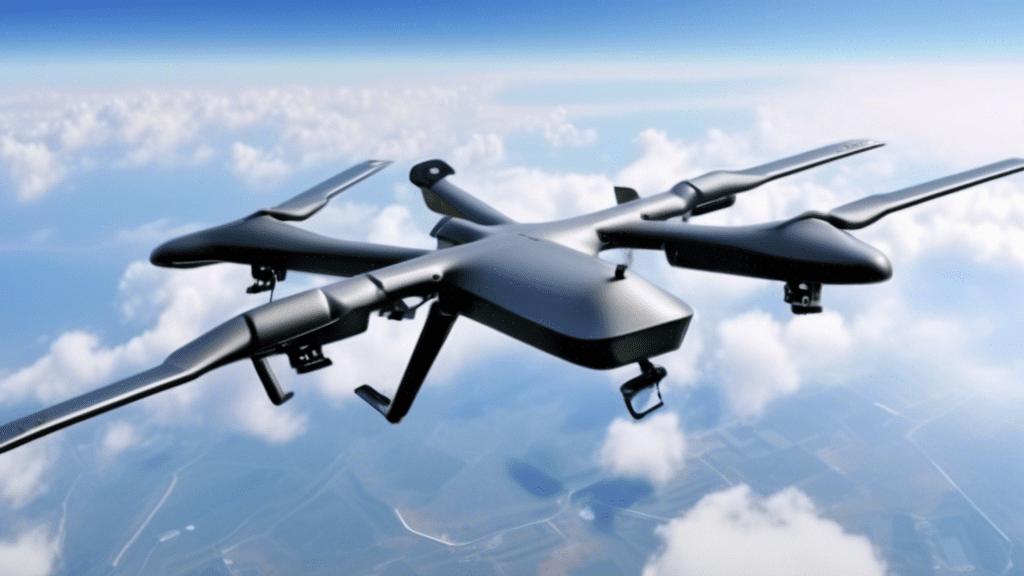
The Jetank comes with intriguing specifications that might make you do a double-take. With a maximum takeoff weight of 16 tons and a payload capacity of 6 tons, this drone is comparable in size and weight to light fighter aircraft, notably the Lockheed Martin F-16. This hefty drone is not just for show; it boasts a wingspan of 25 meters, giving it a formidable presence in the sky.

One of the most impressive features of the Jetank is its impressive array of weaponry. It has eight hardpoints, allowing it to carry missiles, bombs, and even smaller drones. Moreover, it’s equipped with laser-guided bombs and anti-ship missiles. The added capability of being a swarm carrier, housing dozens of smaller drones for specialized missions, makes the Jetank a truly versatile asset.

Advanced Technology and Global Implications

Diving deeper into its tech, the Jetank is engineered with cutting-edge sensors and AI. It has a radar system and an electro-optical pod that enhances its reconnaissance and communication skills while participating in electronic warfare. This is a game-changer, showcasing how drones are evolving from mere flying objects to smart systems capable of functioning autonomously.

Another feature worth noting is its jet engine, which sets it apart from most drones that rely on propellers. This jet engine allows for greater thrust and better overall performance, reinforcing the perception that the Jetank is not just another drone but a formidable aerial platform. Additionally, its ability to connect with satellites offers enhanced remote-control capabilities, ensuring battlefield situational awareness.

China’s advancements in drone technology, particularly with the Jetank, signal a shift in the balance of military power. The introduction of this drone, along with others in China’s CH drone family, underscores the country’s growing dominance in the global drone market. However, this development has raised eyebrows internationally, especially in the U.S., prompting stronger initiatives like the Pentagon’s Replicator 2 project aimed at countering drone threats.

As countries around the world respond to these advancements, the implications are vast. The Jetank’s unveiling is not just about a new product; it symbolizes a broader trend towards intelligence integration, enhanced military capability, and the need for nations to reassess and strengthen their defense technologies. The future of warfare may be heavily influenced by drones like the Jetank, and it’s a conversation that’s just getting started!


Escalating Tensions: Hezbollah’s Drone Warfare and Iranian Influence in the Region

Escalating Tensions: Hezbollah's Drone Warfare and Iranian Influence in the Region

Hezbollah’s Increasing Aggression

In recent times, drone attacks have become a prominent feature of the ongoing tension between Hezbollah and Israel. Hezbollah, a key player in the region, has stepped up its game by launching explosive-laden drones towards military targets in Tel Aviv. This aggressive move not only resulted in injuries but also intensified the already high stakes in an area that seems to be on the brink of more conflict. The strikes are reflective of the widened scope of hostilities in the region and serve as a constant reminder that tensions can escalate at a moment’s notice.

The frequency and scale of these attacks are alarming. Reports have indicated that Hezbollah has conducted at least 24 drone attacks since the onset of the latest escalation, systematically targeting Israeli military infrastructure along the Lebanon-Israel border. This uptick in violence shows a clear pattern; Hezbollah appears determined to assert its military capabilities and retaliate against what it perceives as threats from Israel. Each attack adds to the cycle of retaliation, making it a challenging situation for both sides involved.

The Iranian Influence and Regional Fallout

The situation is further complicated by the involvement of Iranian-backed militias, particularly those from Iraq. The Islamic Resistance in Iraq has claimed responsibility for multiple drone strikes aimed at Israel, extending the conflict beyond just Hezbollah. Notably, these militias have launched over 55 attacks since late October, targeting key areas including northern Israel. This connection underscores Iran’s growing influence in the region, as it actively supports and coordinates with various militant groups to challenge Israeli interests.

Israel has not remained silent in the face of this aggression. The Israeli Defense Forces (IDF) have responded with air strikes on numerous Hezbollah targets across Lebanon, ranging from weapons depots to military infrastructure. These actions indicate a significant escalation, as Israel takes eye-for-eye measures to ensure its security. Moreover, the IDF’s success in intercepting approximately 90% of the drones launched since October 31 is a testament to their military readiness. However, this does not negate the ongoing threat that these drone attacks pose.

A critical aspect of this conflict is the apparent collaboration between various Iranian-backed forces, who seem to be gearing up for coordinated attacks against Israel. Reports suggest that the Iranian Revolutionary Guard Corps (IRGC) is actively supplying these militiamen with advanced arms, including ballistic missiles and drones, which raises alarm bells among both Israeli and American officials. As these groups strategize new methods to target Israeli interests, the potential for wider regional conflicts increases.

Additionally, the escalating tensions have international implications, especially for U.S. interests in the Middle East. The Iranian-backed group, Harakat Hezbollah al Nujaba, has openly threatened to strike U.S. bases in Iraq and Syria in retaliation for perceived Israeli aggression. This cycle of threats and military actions creates a dangerous environment, where miscalculations could lead to even greater conflicts. With high-stakes diplomacy intertwined with military strategy, finding a resolution in this complex web of alliances and enmities remains a formidable challenge.

Escalation of Conflict: Russia’s Massive Aerial Assault on Ukraine

Escalation of Conflict: Russia's Massive Aerial Assault on Ukraine

Russia’s Aerial Assault on Ukraine

Recently, Russia unleashed a massive aerial assault on Ukraine that sent shockwaves through the region. In an unprecedented show of force, they launched around 120 missiles and 90 drones, prominently featuring Iranian-made Shahed drones, along with various types of cruise and ballistic missiles. This attack stands out as one of the largest air offensives in recent months, intensifying the ongoing conflict.

Ukrainian Defenses and Casualties

Ukrainian air defenses sprang into action, managing to intercept a substantial number of the aerial threats—144 out of 210 to be exact. However, despite their efforts, the damage was still significant, particularly to the nation’s energy infrastructure. The targeted strikes led to widespread power outages across regions like Odesa and Kyiv, causing chaos in daily life.

The human toll was equally alarming. Tragically, the attack resulted in multiple casualties, including the heartbreaking loss of eight lives in Sumy from a strike on a residential building. Among the deceased were two children, a grim reminder of the war’s devastating impact on civilians. Reports of injuries flooded in from other regions such as Mykolaiv and Zaporizhzhia, further underlining the perilous situation.

In light of this aggression, US President Joe Biden made a bold move by authorizing Ukraine to strike within Russian territory using American-supplied long-range missiles for the first time. This decision marks a significant escalation in the conflict and reflects the seriousness of the situation on the ground.

Russia’s use of decoy drones during the attack was a strategic tactic designed to mislead and overwhelm Ukrainian air defenses. This clever approach contributed to a notably lower shoot-down rate of drones. The assault wasn’t just focused on energy infrastructure; residential areas also bore the brunt, with homes in Sumy and Kyiv suffering severe damage, further contributing to the humanitarian crisis.

The international response has not gone unnoticed, with neighboring Poland acting swiftly by scrambling fighter jets to ensure safety along its borders. Meanwhile, Ukrainian forces retaliated, striking a defense industrial factory in Russia for the first time, believed to be involved in drone production. As the conflict rages on, it underscores the persistent tensions and challenges ahead for both nations and their allies, complicating any diplomatic efforts for a resolution. The attack has inevitably exacerbated the already dire state of Ukraine’s energy grid, which has suffered devastating hits since the start of the invasion in 2022, leaving the country in a precarious position as winter approaches.

Operation False Target: A New Era of Drone Warfare in the Russia-Ukraine Conflict

Operation False Target: A New Era of Drone Warfare in the Russia-Ukraine Conflict

Understanding Operation False Target

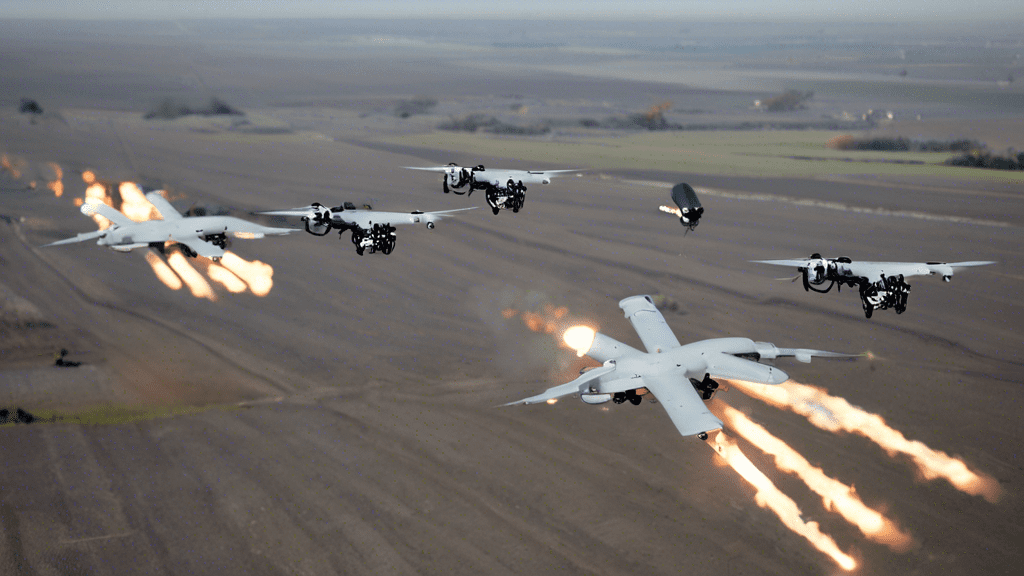
In the ongoing conflict between Russia and Ukraine, a new strategy has emerged, called Operation False Target. This innovative approach involves a clever mix of drones, providing Russia with a tactical edge that’s hard for Ukraine to counter. By deploying a combination of highly destructive thermobaric drones alongside a multitude of unarmed decoy drones, Russia is looking to overwhelm Ukrainian air defenses and shift the battlefield dynamics. It’s a game changer, and it’s putting significant pressure on Ukraine to respond effectively.

The Role of Decoy Drones

What’s particularly intriguing about this operation is how crucial the decoy drones have become. Reports suggest that over 50% of the drones targeting Ukraine are now non-lethal decoys. In fact, a staggering 75% of new drones produced at Russia’s Alabuga factory are designed to mislead and confuse Ukrainian air defenses. These decoys are not just random fakes; they come equipped with live-feed cameras that gather intelligence about Ukrainian air defense locations, effectively doubling as reconnaissance tools while serving their primary function of diversion. This clever use of technology reflects Russia’s commitment to enhancing its drone warfare capabilities without breaking the bank.

Ukraine has faced an unrelenting wave of drone attacks, significantly impacting its air defense strategies and the morale of its populace. In early November, for instance, the Kyiv region spent up to 20 hours under air alert, a clear indicator of the psychological toll these attacks are taking. The constant threat of incoming drones can create a feeling of unease and anxiety among civilians, making them wonder when the next strike will occur.

While the numbers sound alarming, it’s essential to note that less than 6% of the drones successfully hit their intended targets. Nevertheless, the overwhelming volume of the drone assault ensures that at least a few slip through daily, inflicting real damage. Despite the effectiveness of Ukraine’s defenses, the sheer scale of these attacks proves to be a challenge. For example, in October 2023 alone, Russia launched a staggering 1,889 drones against Ukraine—an 80% increase from just two months prior.

However, the tactical advantage doesn’t come without its challenges. Ukraine’s air defenses are in a constant battle to differentiate between the armed and unarmed drones, as neither radar nor electronic jamming can easily distinguish between them. This means Ukrainian forces have to make critical split-second decisions on how to allocate their limited resources each time a swarm of drones is detected.

As the conflict continues, Operation False Target highlights a significant evolution in drone warfare and the creative strategies adopted by both sides. With each new development, it becomes increasingly clear that understanding these tactics is essential for grappling with the future of warfare in this region. Keeping an eye on how this aerial battle unfolds could provide invaluable insights into modern combat scenarios.

Revolutionizing Emergency Response: NYPD’s Drone Program Enhances Public Safety in NYC

Revolutionizing Emergency Response: NYPD's Drone Program Enhances Public Safety in NYC

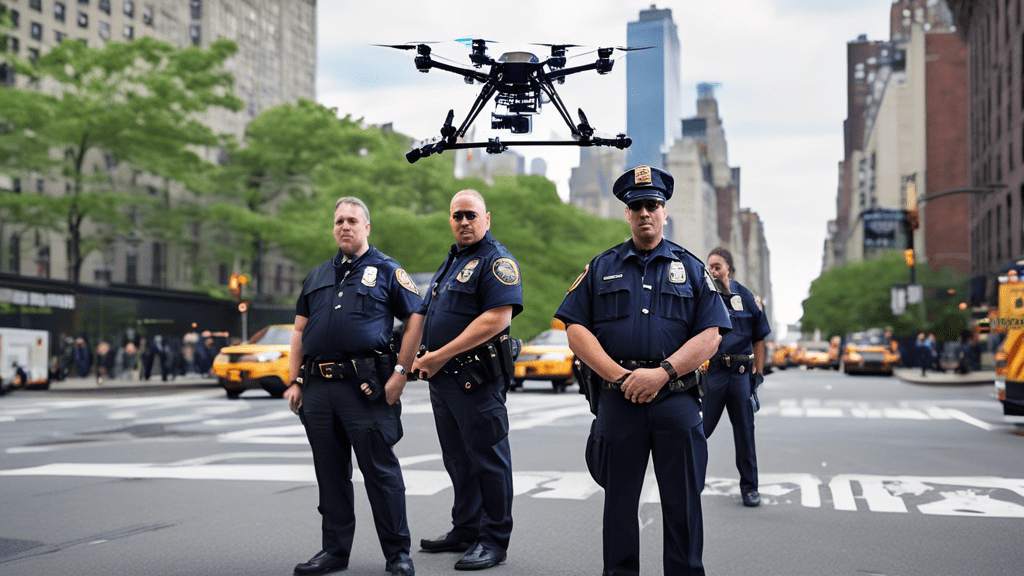
The NYPD’s Drone as First Responder program is a game-changer in the way police respond to emergencies in New York City. With permission from the Federal Aviation Administration (FAA), the NYPD has been granted the green light to deploy drones across Brooklyn, the Bronx, and Manhattan. This innovative approach aims to use technology to enhance public safety and operational efficiency.

Where Drones Will Operate

So, where exactly will these drones be flying? They’ll be launched from several police precincts, including the 67th, 71st, and 75th precincts in Brooklyn, the 48th Precinct in the Bronx, and the Central Park Precinct in Manhattan. Each deployment site was strategically chosen to maximize coverage, ensuring that these flying responders can reach various neighborhoods quickly and effectively.

The best part? The drones can be deployed remotely from 1 Police Plaza, which means that officers don’t have to wait for a unit to arrive on the scene. Instead, these flying machines can take off autonomously, following predetermined coordinates to get to the action faster than ever before. This capability will undoubtedly change the way the NYPD tackles emergency situations that require an immediate response.

Real-Time Technology for Swift Responses

What’s really cool about the drone program is its use of real-time monitoring. Pilots stationed at police headquarters will control the drones while getting a live feed, allowing for initial assessments of any situation on the ground. They can then relay crucial information to officers heading to the scene. With high-definition audio and video streams, officers on the ground can access vital intel right on their department-issued smartphones. It’s like having a bird’s-eye view of the action!

As the NYPD rakes in more experience with drones—having dispatched them on over 4,000 missions in the past year alone—they’re only looking to improve operational efficiency. The drones are designed to arrive at emergency scenes within a minute, which can drastically decrease the response time for various incidents like robberies or searches for missing persons. Talk about cutting-edge technology!

While the excitement around drones is palpable, there’s a keen awareness of the need for ethical oversight. Each mission involving a drone is closely monitored by the NYPD’s Legal Bureau, making sure all activities comply with regulations. This thoughtful approach helps maintain public trust while using advanced technology to enhance safety.

Initial reports show the program already making a positive impact, such as a decrease in crime around Central Park. With the ability to provide real-time information, drones have started aiding in securing arrests and ensuring that police officers have the best possible information at their fingertips. This leap into the future spells a new era for policing in New York City, and it’s definitely worth keeping an eye on!

North Korea’s Exploding Drones: A New Era of Military Technology and Rising Tensions

North Korea's Exploding Drones: A New Era of Military Technology and Rising Tensions

North Korea has recently made headlines with its developments in military technology, particularly the testing of exploding drones. These advancements have sparked discussions around their implications for regional security and international relations. At the center of this initiative is North Korean leader Kim Jong Un, who has been closely supervising these tests. Let’s dive into the details of what’s been happening and why it matters.

Key Features of the New Drones

The drones being developed are no ordinary flying machines. In fact, these craft are designed to crash into targets, boasting capabilities that allow them to fly various routes and accurately hit a range of objects. In recent tests, they even managed to destroy a BMW sedan and showcase their effectiveness against old tanks. This approach marks a shift from the traditional use of combat drones, which typically launch missiles from a distance. The novelty and aggressive nature of these exploding drones are not just eye-catching; they’re part of a broader strategy in modern warfare.

Kim Jong Un has not just been an observer; he is pushing for an accelerated mass production of these drones. He’s adamant about creating a serial production system, highlighting that drones are relatively cheap to produce and can play a pivotal role in a variety of military operations. This push for development comes at a time of heightened military activity in the region, including large-scale exercises conducted by U.S. and South Korean forces aimed at countering North Korean threats.

Escalating Tensions in the Region

The escalation of North Korea’s drone tests adds another layer of tension to an already charged atmosphere in the region. These drones are reportedly specifically tailored to target South Korea, with tests showing their ability to destroy models resembling South Korean battle tanks. Given North Korea’s ongoing advancements in nuclear missile technology, the potential for battlefield nuclear capabilities along the South Korean border is a significant concern.

Furthermore, North Korea’s recent military activities appear to be undertaken in tandem with a growing partnership with Russia. With suggestions that technology and support for these drones may have come from Russian cooperation, it’s clear that the geopolitical landscape is shifting. This unity, particularly in their confrontations with the U.S., raises questions about future military engagements and regional stability.

As the international community braces for the fallout from these developments, discussions are anticipated in upcoming high-profile meetings, including trilateral summits among leaders from South Korea, the U.S., and Japan. With the integration of psychological and electronic warfare tactics into their strategy, North Korea is clearly signaling that they’re ready to up the ante, making the next steps in this complex scenario all the more crucial.

All in all, North Korea’s recent drone tests and military advancements highlight significant changes in modern warfare strategy. As events unfold, it’s critical for observers, military analysts, and policymakers to monitor these developments closely—because in the realm of international relations, understanding weaponry and its implications could be as vital as diplomatic negotiations themselves.