Walmart Refines Drone Delivery Strategy: Focus Shifts to Dallas-Fort Worth Amid Closures and Innovations

Walmart Refines Drone Delivery Strategy: Focus Shifts to Dallas-Fort Worth Amid Closures and Innovations

Walmart is making some big moves in the world of drone delivery, and it’s a mixed bag of expansion and contraction. Recently, the retail giant announced plans to scale back its operations in states like Arizona, Utah, and Florida. They’re shifting their focus to the Dallas-Fort Worth (DFW) area, which they see as a prime location for rolling out their drone delivery services. Given the high costs associated with drone delivery, Walmart is making strategic decisions to achieve better scale and efficiency in their operations.

Why the DFW Area?

The DFW area has been pinpointed as Walmart’s key focus for drone delivery. State government support, along with a high concentration of potential customers, makes this region an enticing hub. With favorable weather conditions and terrain for flying drones, Walmart has teamed up with DroneUp to ramp up their efforts here. However, it also means that they’re closing down 18 delivery hubs in places like Phoenix, Salt Lake City, and Tampa. This decision has led to layoffs for about 70 employees, which accounts for a notable percentage of DroneUp’s workforce.

Despite the closures, drone delivery won’t be disappearing entirely. After these changes, services are set to continue at 15 locations across the U.S., including 11 in the DFW area. Other locations include three hubs near Walmart’s headquarters in Bentonville, Arkansas, and one in Virginia Beach. This reduced footprint is part of a broader strategy to streamline operations and focus on areas that can deliver more bang for the buck.

Challenges and Innovations

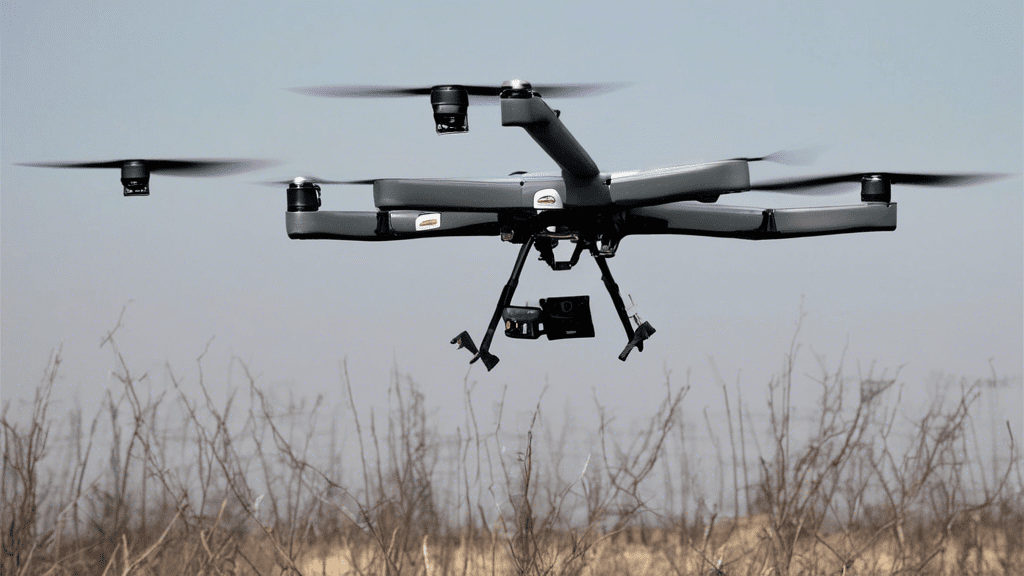
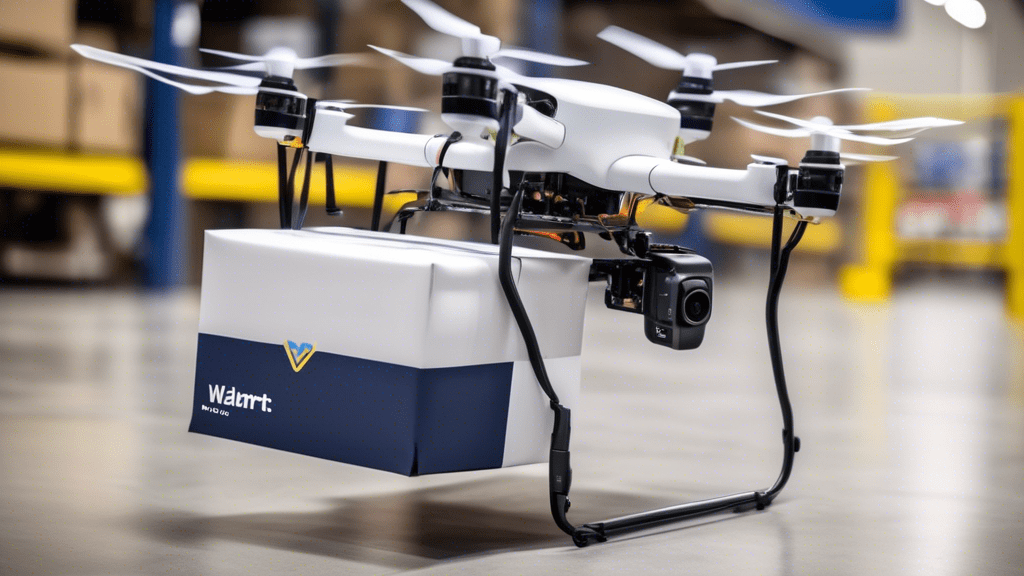
One of the pressing challenges Walmart faces in its drone delivery venture is the high cost associated with each delivery. Currently, DroneUp incurs about $30 per delivery. That’s a price point they’re working strategically to reduce to below $7, similar to conventional ground-based delivery options. That’s quite an uphill task, but there are ongoing technological advancements aimed at making this possible. New drones under development not only come with features like higher payload capacity but can also zoom through the skies at 60 mph, covering 30 miles to deliver packages weighing up to 10 pounds.

To further enhance their capabilities, Walmart is also joining forces with other drone companies, such as Wing and Zipline. These partnerships are crucial as they have FAA approvals for Beyond Visual Line of Sight (BVLOS) operations, opening up more flexibility in delivery routes and practices. It’s all about creating a well-rounded delivery ecosystem to tackle the challenges that come with drone logistics.

For customers, the benefits of Walmart’s drone delivery services are becoming increasingly apparent. With the ability to receive items in as little as 10 minutes, these services are perfect for those last-minute needs—think birthday gifts, medication, or even groceries. The integration of this service into the Walmart app ensures that DFW customers can seamlessly order thousands of everyday items and have them whisked to their doorstep quickly. As Walmart continues to solidify its presence in drone delivery, it remains to be seen how they balance cost, technology, and customer satisfaction in this evolving market.
Join Us for the Public Safety Drone Review: Insights, Innovations, and Challenges

Join Us for the Public Safety Drone Review: Insights, Innovations, and Challenges

Get Ready for the Public Safety Drone Review

Mark your calendars because on December 3, 2024, at 3:00 PM EST, an exciting event is set to take place: the Public Safety Drone Review. This is not just another webinar; it’s a significant opportunity to dive into the world of drones and their impact on public safety. Whether you’re a seasoned pro or just dipping your toes into the drone pool, there’s something here for everyone. So grab a comfortable seat, and get ready to learn about the latest trends and innovations that are shaping the future of public safety drones.

Meet the Hosts and Key Topics

The event will be hosted by some big names in the drone industry: Tim Martin, Director of UAV Training at the Regional Training Center; Miriam McNabb, Editor-in-Chief of DRONELIFE; and Charles Werner, Director of DRONERESPONDERS. With a lineup like this, you can expect insightful discussions that cover not just the major stories from 2024 but also the technological advancements that are pushing the envelope in drone capabilities.

What can you expect from the content? The hosts will delve into the critical role drones play in emergency response and disaster management, showcasing exactly how they’re saving lives and enhancing operational efficiency. Plus, they’ll be helping you understand emerging trends and technologies that are influencing the field. It’s a comprehensive look at where we stand now and where we’re heading in the world of public safety drones.

Tackling Challenges and Resources Available

While this event is primed to celebrate successes, it won’t shy away from addressing the challenges faced by public safety agencies in integrating drones into their operations. As the technology evolves, so do the hurdles—be it regulatory, training, or technical difficulties. This discussion is vital for anyone involved in the field, providing a platform to share experiences and solutions.

One of the best parts? The event is completely free and open for registration. Not only can you catch it live, but it will also be available later on the DRONELIFE TV YouTube channel, so no worries if you can’t make it at the scheduled time. Plus, for those eager for more, there’s a treasure trove of past episodes and discussions available online. That’s what we call a resource goldmine!

Whether you’re a drone pilot looking to expand your knowledge, a public safety official keen on leveraging technology, or simply someone curious about the future of drones, the Public Safety Drone Review is an event you won’t want to miss. With expert insights and a focus on both challenges and innovations, it promises to be a top-tier experience. So, are you ready to explore the skies?

Resilience Amidst Chaos: The Impact of the Recent Drone Attack on Ternopil

Resilience Amidst Chaos: The Impact of the Recent Drone Attack on Ternopil

Understanding the Drone Attack on Ternopil

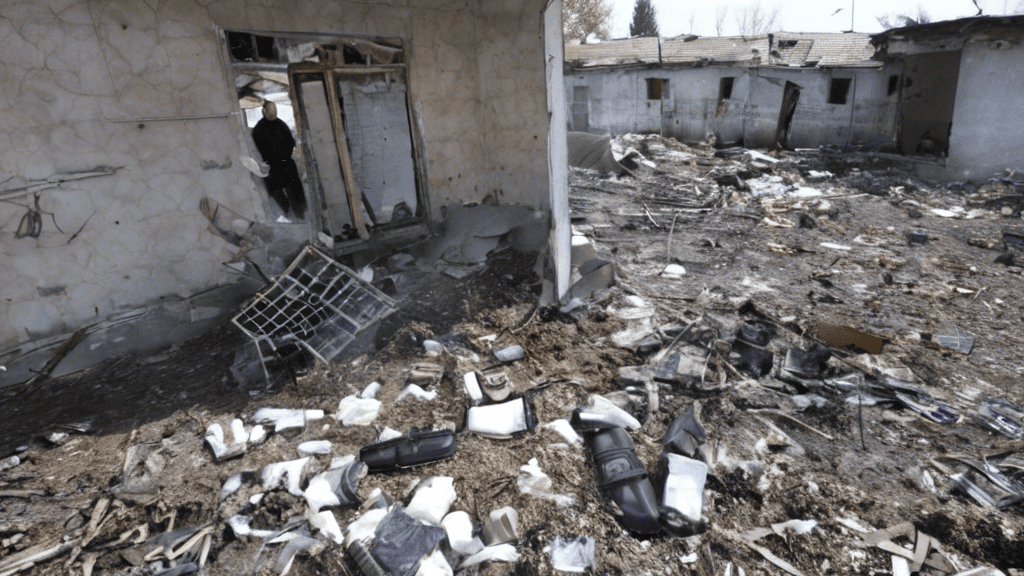
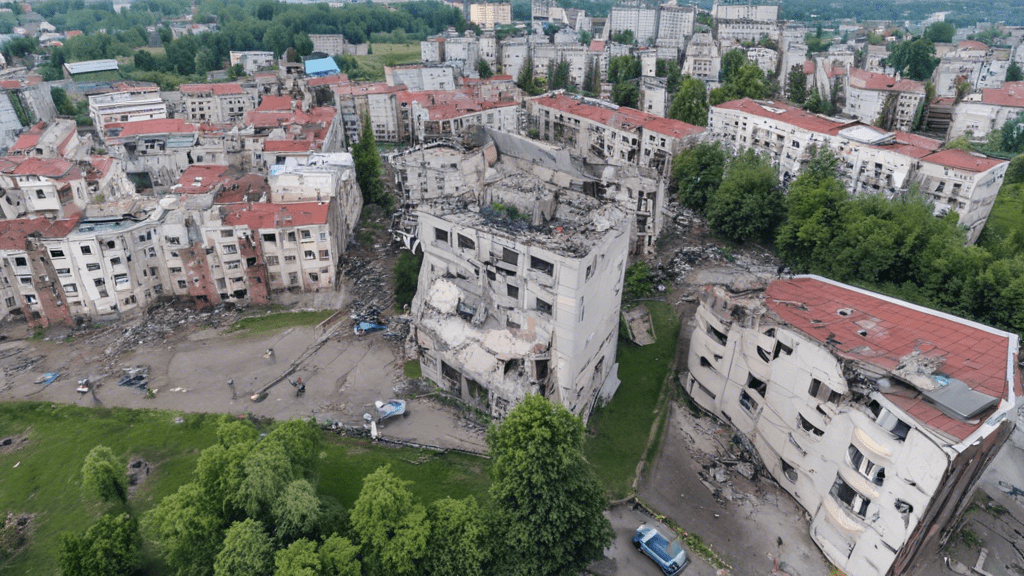
On December 2, 2024, the quiet city of Ternopil, Ukraine, was jolted by a drone attack that targeted a residential building. This incident marked a grim continuation of the ongoing conflict between Ukraine and Russia. The nature of this attack has raised eyebrows and sparked discussions about security and civilian safety in a region that has already felt the heavy weight of war.

Casualties and Emergency Response

Tragically, the drone strike resulted in the death of one individual, with several others sustaining injuries. The fire ignited by the drone caused significant damage, engulfing the top floor of a five-storey apartment building. As emergency services sprang into action, many residents were evacuated from their homes, highlighting the urgent need for disaster response in such unpredictable times. The chaotic scenes of evacuation were a stark reminder of the perilous nature of life in conflict zones.

In addition to the immediate consequences of the attack, the entire region was placed under air raid alerts for several hours. This heightened state of vigilance followed similar alerts from the previous week, showcasing a worrying trend of intensifying aerial strikes in the area. It’s puzzling how daily life continues amidst the uncertainty, illustrating the resilience of the people living in Ternopil.

The drone strike on December 2 is not an isolated event either; it follows a significant attack just days earlier, on November 26, which severely disrupted infrastructure and power supplies in Ternopil. This pattern suggests that the conflict is escalating, putting even more pressure on civilian lives and infrastructure.

The Ongoing Conflict Context

Ternopil, located around 220 km east of Poland, had a thriving population of over one million prior to the onset of the war in February 2022. The sustained anxiety about drone attacks and military strikes lingers in the air. Both Russia and Ukraine assert that they are not targeting civilians, yet incidents like this bring that claim into question. With residential areas frequently caught in the crossfire, the reality of their statements is often under scrutiny.

Interestingly, despite the seriousness of the situation, Russia opted not to comment on the attack in Ternopil specifically. This silence can feel unnerving for those living in the affected regions, leaving residents with more questions than answers about their safety and future. With attacks occurring regularly, a sense of helplessness often permeates through the communities hit hardest.

As the conflict continues, the people of Ternopil show resilience, but it’s a resilience stretched thin by the constant threat of violence. Each drone attack serves as a sorrowful reminder of the ongoing struggle for peace and security in a region heavily impacted by aerial bombardments. As the world watches, it’s clear that Ternopil’s journey towards normalcy is complicated, to say the least.

Revolutionary Drone Technology at University of Southampton Enhances Safety and Efficiency with Real-Time Monitoring

Revolutionary Drone Technology at University of Southampton Enhances Safety and Efficiency with Real-Time Monitoring

Groundbreaking Drone Technology from the University of Southampton

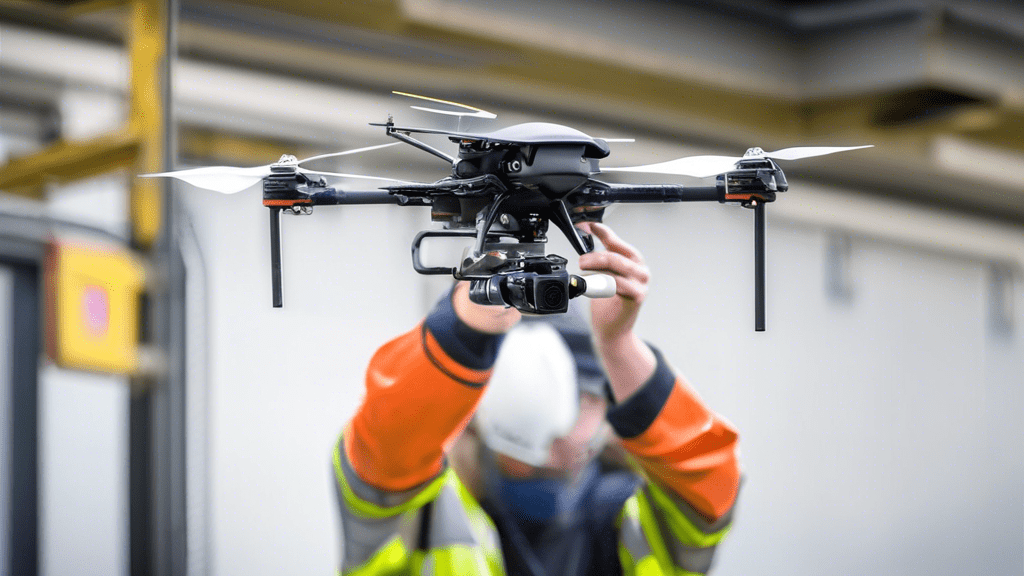
There’s some exciting news coming out of the University of Southampton! Researchers there have developed a revolutionary drone technology that’s shaking up the world of aerial robotics. Spearheaded by Dr. Chris Holmes and Dr. Martynas Beresna from the Optoelectronics Research Centre, this drone isn’t just any flying machine. It’s equipped with a sophisticated nervous system that allows it to monitor its health in real-time, making it safer and more reliable than traditional models.

What sets this drone apart is its innovative nervous system, which works similarly to human nerves but relies on fiber optics instead of electricity. This clever design keeps the drone safe from pesky radio interference, allowing it to maintain a clear line of operation in various environments. By using light to monitor its systems, the drone embodies a blend of cutting-edge technology and biological inspiration, marking a significant leap in drone capability.

Real-Time Health Monitoring and AI Integration

The real magic happens with the drone’s ability to continuously monitor its structural health while in flight. This is achieved through a process called optical speckle, which enables the drone to project images that detect stressors and potential faults in its structure. But it doesn’t stop there! These images are processed by artificial intelligence algorithms, allowing the drone to assess its condition and alert the ground team of any issues—without interrupting the flight. Talk about high-tech self-awareness!

This combination of real-time monitoring and AI interpretation isn’t just a neat trick; it enhances the autonomy and efficiency of the drone. Thanks to this tech, the drone can operate longer without needing frequent stops for manual inspection, which can be pretty time-consuming. Speaking of time, researchers believe that their creation has the potential to truly optimize flight time, making drone operations not only safer but also more cost-effective.

The applications for this advanced drone technology are extensive. Think about industries like logistics, transport, and emergency response—this drone could make a significant impact in how goods and services are delivered and how emergencies are managed. With the drone sector projected to contribute up to £45 billion to the global economy by 2030, it’s clear that the implications of these advancements are enormous.

So where does this all lead? The team has been testing the system on a drone designed to carry emergency equipment, managed by aerospace engineer Toby King-Cline and a group of eager students. Their goal is to bring this cutting-edge system to market by 2025, with the backing of the university’s Future Worlds acceleration program. Who knows? The future of drones could look drastically different thanks to the innovative strides being made at the University of Southampton!

Escalation in Russia-Ukraine Conflict: Unprecedented Drone Assaults Worsen Humanitarian Crisis

Escalation in Russia-Ukraine Conflict: Unprecedented Drone Assaults Worsen Humanitarian Crisis

The ongoing drone attacks amid the Russia-Ukraine war are as intense as ever, especially with recent developments. On November 26, 2024, Russia launched its most significant drone assault yet, deploying nearly 200 drones aimed at various Ukrainian cities. This marked a disturbing escalation in the conflict, adding another layer of complexity to an already dire situation.

Defensive Measures and Civilian Impact

Despite the massive scale of the drone attack, Ukraine’s defense systems managed to intercept a substantial number of the incoming threats. Reports indicate that out of over 100 drones, 88 were successfully shot down, while 41 fell victim to ongoing countermeasures. Sadly, this incident resulted in one fatality and eight injuries, underscoring the relentless danger that civilians face amidst these aerial assaults.

This trend of drone warfare isn’t just a fleeting tactic. Since September, Russian forces have continued to launch repeated waves of attacks, targeting not just military objectives but also critical civilian infrastructure. The consequences have been dire, particularly for Ukraine’s energy network, which has suffered extensive damage affecting at least 13 regions, including the capital, Kyiv. This situation has led to widespread blackouts, leaving over a million people without power.

Humanitarian Crisis and International Law

The ramifications of these drone strikes go beyond the immediate casualties and damage. The targeted attacks on energy infrastructure have ignited concerns for vulnerable populations—older adults, those with disabilities, and internally displaced persons are particularly at risk. Essential services such as water supply, transportation, and heating are increasingly jeopardized, plunging many into a humanitarian crisis.

Moreover, these systematic drone strikes raise serious questions regarding Russia’s adherence to international humanitarian law. The principles of distinction, precaution, and proportionality seem to be consistently overlooked, leading to an escalation in civilian suffering. As countries around the globe closely monitor this situation, it remains evident that the humanitarian implications are dire and far-reaching.

In response to these ongoing threats, several nations have stepped up their military assistance to Ukraine, providing crucial support. Canada, for instance, has donated a NASAMS system, while Sweden is helping fund the production of long-range missiles and drones within Ukraine. The UK has also contributed by delivering additional Storm Shadow cruise missiles, demonstrating a significant commitment to Ukraine’s defense.

As the conflict evolves, it’s clear that Russia continues to innovate its military strategies. They are testing new technologies, including flamethrower drones aimed at countering Ukrainian defenses. However, the practical effectiveness of such tools remains questionable. The involvement of countries like North Korea, which has been supplying troops and weaponry to Russia, adds another intriguing layer to this conflict, prompting emergency diplomatic responses from NATO and other international players.

Escalating Drone Warfare: A New Phase in the Russia-Ukraine Conflict

Escalating Drone Warfare: A New Phase in the Russia-Ukraine Conflict

The escalation of drone attacks in the Russia-Ukraine conflict has taken a sharp turn, especially as we near the end of 2024. As of November 29, Russia has ramped up its drone campaigns against Ukraine, and the implications are becoming more serious than ever. The frequency and intensity of these attacks are not just numbers; they represent lives affected and infrastructure damaged amidst a backdrop of a protracted and heartbreaking conflict.

Russia’s Unprecedented Drone Warfare

As we head into the final stretch of 2024, Russia has launched a record number of drone strikes primarily targeting Ukraine. These assaults have not been random; they have specifically aimed at apartment blocks and critical infrastructure in 17 different regions across the country. Yukrainian civilians continue to bear the brunt of these attacks, with the Russian drones even striking a children’s medical center in Kyiv, causing damages and unfortunately, injuries. This situation creates a heavy atmosphere of fear and uncertainty for families trying to go about their daily lives.

It’s evident that the Russian strategy has intensified, likely to create a domino effect—both psychologically and materially—against Ukraine. These drone strikes signify more than just military tactics; they represent a calculated move to instill fear among civilians and undermine the infrastructure that supports Ukrainian life and defense.

Ukrainian Responses and the Broader Military Picture

Nevertheless, Ukraine is not sitting idly by. They have been proactive in their responses, launching drone strikes targeting critical military facilities within Russia itself. Reports confirm that Ukrainian drones have hit the 13th GRAU arsenal in Russia’s Novgorod region, where various types of military ordnance, including Iskander ballistic missiles, are stored. This indicates a shift where Ukraine is attempting to take the fight to the enemy directly, retaliating against those strikes aimed at their own people.

Interestingly enough, while these drone attacks escalate, Russian air defenses have been put to the test. Just on November 29, air defenses were activated across various regions in Russia as a response to the increasing frequency of Ukrainian strikes. Initial reports revealed that Russian forces managed to down about 30 Ukrainian drones in the Rostov region early on the same day. This cat-and-mouse game pushes both sides to rethink their positions and strategies constantly.

Adding further complexity to the conflict are incidents within Russia itself. Explosions were reported in Tuapse, Krasnodar Krai, apparently due to a drone hit that activated air defense systems in the area. Another notable incident involved a drone attack that sparked a fire at the Atlas oil depot in Rostov. These events show that the conflict is not contained within borders and is spilling over with real repercussions on both sides.

Beyond the immediate effects of military engagement, the ongoing conflict continues to reverberate on a global scale. Economies are affected, with rising prices for goods as countries grapple with supply chain disruptions. Even traditional celebrations, like Thanksgiving in the U.S., reflect these wider implications. As the situation remains fluid, one can only hope for resolution—but for now, the drone warfare saga in this conflict appears far from over.

Transforming Warfare: The Impact of the Largest Drone Assault in the Russia-Ukraine Conflict

Transforming Warfare: The Impact of the Largest Drone Assault in the Russia-Ukraine Conflict

Overview of the Recent Drone Assault

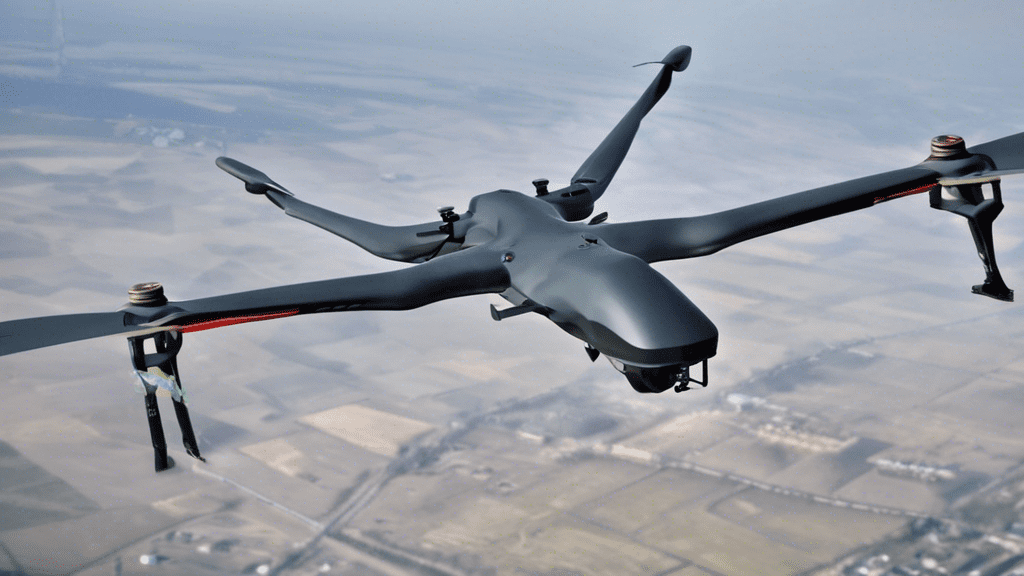
The landscape of warfare is rapidly changing, and nowhere is that more evident than in the recent events between Russia and Ukraine. On November 26, 2024, things escalated dramatically when Russia unleashed an astounding 188 Shahed drones and four Iskander-M ballistic missiles in what is now the largest drone attack since the conflict began. This unprecedented strike was not just a one-off incident; it marked a ruthless approach where multiple launch sites across Russia like Orel, Bryansk, Kursk, and Primorsko-Akhtarsk were used to maximize impact.

When faced with such a significant threat, Ukraine demonstrated resilience and tactical ingenuity. Ukraine’s air defense systems swung into action and successfully shot down 76 of these attacking drones across 17 different regions. Despite being able to intercept a large portion of the incoming threat, the attack left a mark – literally, as debris from the downed drones caused damage to various structures in Kyiv, injuring two civilians.

Countermeasures and Strategic Developments

What’s noteworthy is not just the sheer scale of the attack but Ukraine’s response. Beyond the conventional means of intercepting drones, Ukrainian forces implemented advanced electronic warfare strategies that resulted in 95 drones being diverted. This clever tactic involved manipulating the satellite coordinates of the drones, leveraging technology to turn the tide on the attackers. In some instances, these redirected drones ended up flying back into Russian and Belarusian territories, showcasing just how effective these electronic countermeasures can be.

The counterattack had a broader regional impact, affecting areas such as Chernihiv, Sumy, Kharkiv, and Poltava, among others. It’s a testament to the chaos these drone operations can create, extending the conflict’s shadow far beyond the immediate battlegrounds. However, even with these successful interceptions, some drones managed to bypass defenses and headed towards Belarus, Russia, or temporarily occupied territories, indicating that the threat of drone warfare remains ever-present.

In the context of global geopolitics, the spike in drone attacks coincides with heightened international tensions. Russia’s testing of an experimental hypersonic missile, the Oreshnik, adds a layer of complexity to the situation. Meanwhile, Ukraine’s utilization of long-range missiles supplied by the US to strike back exemplifies the evolving dynamics of military alliances and strategies on the world stage. The interplay between these advanced technologies and tactics emphasizes a new era where electronic warfare and drone capabilities are pivotal.

Ultimately, Ukraine’s ability to utilize electronic warfare to disrupt enemy operations reveals its adaptability in this ongoing conflict. The blend of technology and military strategy is pushing the boundaries and setting new norms in warfare, demonstrating just how critical it will be for nations to evolve their defense practices in line with these advancements. This recent engagement might just be a glimpse into the future of modern warfare, where agility and technological prowess become paramount.

Escalating Tensions: Ukraine Faces Unprecedented Drone Assault Amidst Intensifying Conflict with Russia

Escalating Tensions: Ukraine Faces Unprecedented Drone Assault Amidst Intensifying Conflict with Russia

The recent drone attacks in Ukraine have taken the tension between Russia and Ukraine to a whole new level. With a record-setting launch of 188 drones in a single night, this assault underscores the escalating conflict that has been brewing for quite some time. The use of Iranian-designed Shahed strike drones in this operation has raised eyebrows and added a layer of complexity to the ongoing war. Let’s dive into the details of this alarming development.

Wide-ranging Assault

In an unprecedented move, the drones targeted a whopping 17 regions throughout Ukraine. This isn’t just localized fighting anymore; it’s a widespread assault affecting various parts of the country. The implications of such broad targeting are significant, potentially leading to increased chaos and fear among the civilian population. It highlights not just a military strategy but also an attempt to unsettle the Ukrainian government and its response capabilities.

The Ukrainian air force, thankfully, stepped up during this harrowing night, managing to shoot down 76 of the intruding drones. Moreover, electronic jamming systems played a critical role, with reports indicating that an additional 95 drones either went off the radar or were neutralized through electronic warfare. Still, the sheer number of drones launched is concerning and speaks volumes about Russia’s aggressive posture.

Damage and Casualties

Despite defensive efforts, the damage was considerable. Reports indicate destruction across various infrastructures, including apartment buildings and elements of the national power grid. One significant impact was felt in Ternopil, where power outages affected large areas. These attacks not only damage physical structures but also sap the morale of the nation’s citizens.

Elon Musk Advocates for Drones Over Manned Fighter Jets in Future Air Combat

Elon Musk Advocates for Drones Over Manned Fighter Jets in Future Air Combat

Elon Musk has recently stirred the pot with his comments about the future of air combat, suggesting it’s time to phase out manned fighter jets in favor of drones. The tech mogul, known for his bold ideas at SpaceX and Tesla, believes that flying pilots around in outdated fighter jets is a dangerous endeavor, especially when drones are becoming more capable and efficient. After all, why put human lives at risk when you have technology that can do the job just as well, if not better?

Critiquing the F-35

Musk didn’t hold back when discussing the F-35, a fighter jet produced by Lockheed Martin. He derisively characterized it as an expensive and complex jack of all trades, master of none. With lofty operating costs and technical challenges, particularly its advanced software, the F-35 has drawn criticism from many corners, and Musk is just adding fuel to the fire. According to him, the design has inherent flaws because it was required to meet too many conflicting needs, making it an overly complicated aircraft.

While the F-35 has reportedly been embraced by several countries, including Germany and Poland, Musk’s criticisms hint at deeper issues with its implementation and cost-effectiveness. The reality is, this jet isn’t just pricey when it comes to manufacturing; the operational costs pile up due to its demanding technology and software systems. And as we look at defense spending, Musk’s call for drones might open a can of worms regarding how resources are allocated in the military.

The Future of Air Combat

Musk isn’t just talking the talk; he provided a glimpse of the potential future by sharing a video of hundreds of drones hovering in formation. This was his way of illustrating the capabilities and possibilities of drone technology in air combat scenarios. With visionaries like Musk pushing for change, the military landscape could be on the brink of monumental shifts. It begs the question: will traditional manned aircraft soon be a relic of the past?

However, it’s not just about the technology—there’s also a political element to consider. Musk’s comments may lead to a potential rift with President-Elect Donald Trump, who has strongly backed the F-35 program. As Musk takes on advisory roles to combat government inefficiency, the implications for defense spending and acquisition strategies could change dramatically, especially if unmanned systems take precedence over their traditional counterparts.

In a world where technology is evolving at breakneck speed, Musk’s advocacy for drones seems to reflect a broader shift in thinking about modern warfare. As nations continue to develop advanced aircraft and countermeasures, it’s clear that the landscape of air combat could soon look very different. Will we ultimately see drones flying autonomously in the skies while manned jets fade into oblivion? Only time will tell!

UAE Set to Lift Drone Ban: A Phased Approach Towards Safer Operations

UAE Set to Lift Drone Ban: A Phased Approach Towards Safer Operations

Starting November 25, 2024, the United Arab Emirates (UAE) is set to embark on a new journey by partially lifting the ban on drone operations. This decision marks a significant shift in how drones can be used throughout the region. Let’s dig deeper into this phased approach and what’s in store for drone operators in the UAE!

Phased Lifting of the Ban

The lifting of the ban is going to happen in stages. Initially, the first phase will focus on government agencies and companies that are looking to conduct commercial drone operations. This is a strategic move to ensure that the most crucial sectors can utilize drone technology effectively and safely. While amateur operators will have to wait a bit longer, the plan is to eventually include them in forthcoming phases. So don’t worry; there’s a light at the end of the tunnel for recreational drone flyers!

What’s really cool about this rollout is the development of a unified platform for all drone operations. This means that companies and government entities can easily navigate the registration and operational procedures via the UAE Drones app or their dedicated website. Convenience is key, right? This platform aims to make the whole process as smooth as possible while also focusing on the safety and security of airspace.

Safety First and Future Prospects

Another cornerstone of this new initiative is its strong emphasis on safety. The UAE is putting airspace safety and the protection of society and property at the forefront of drone operations. The new platform will elevate safety standards across the board. Thanks to collaborative efforts from the National Emergency, Crisis and Disaster Management Authority (NCEMA) and the General Civil Aviation Authority (GCAA), the phased lifting is built on a solid foundation of security protocols.

It’s important to note that the initial ban on drone operations was implemented back in January 2022. This came after several instances of drone misuse, including unfortunate events like Houthi drone attacks on Abu Dhabi. So, you can see why there’s a keen focus on making sure those incidents don’t repeat themselves. Operators wanting to take to the skies will need to register through the UAE Drones smart application, showing that they’re compliant with all safety standards before acquiring those precious operating licenses.

Looking ahead, future phases are already in the works. After assessing how the first phase pans out, plans are to include individual users for recreational purposes. Plus, there will be announcements for additional services aimed at amateur drone operators. This gradual build-up could really offer enhanced opportunities for everyone involved in the drone scene in the UAE.

Last but not least, this decision isn’t just about lifting the ban; it’s set to have a profound impact on the UAE aviation sector. By embracing technology and innovation in the drone space, the UAE can expect to see a boost in business opportunities while simultaneously reinforcing safety measures. And remember, in the spirit of keeping things safe, any drone-related incidents that cause harm must be reported through the incident report section of the platform. With these developments, the future of drones in the UAE is definitely looking bright!