First American Insurance Data Breach Exposes Thousands of Users

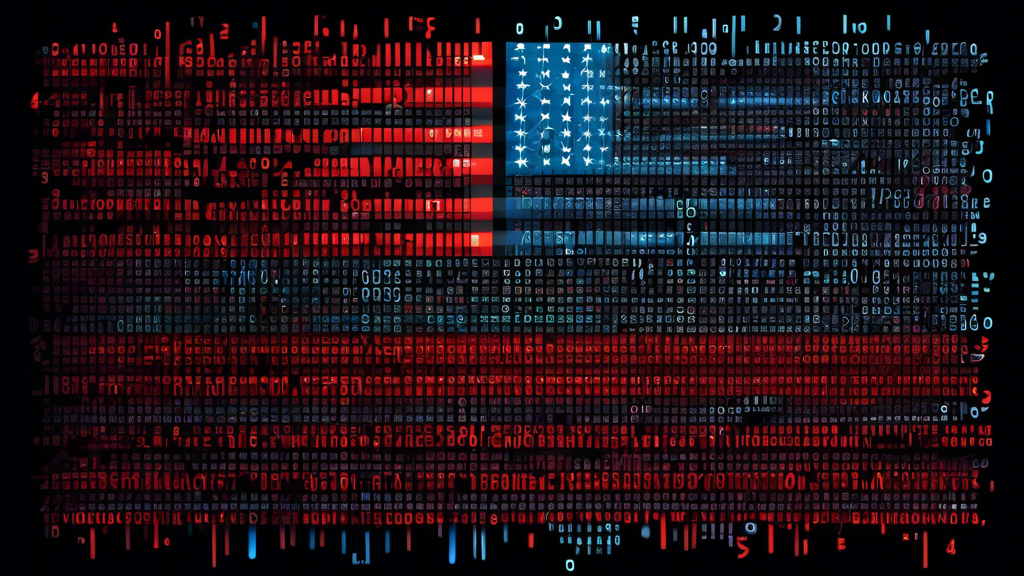
A cracked American flag made of binary code with thousands of glowing usernames and passwords leaking out of the cracks.

What Happened?

In a shocking incident that has sent ripples through the insurance industry, First American Financial Corporation, a leading provider of title insurance and settlement services, experienced a massive data breach. This breach, discovered in 2019 but only recently gaining widespread attention, exposed sensitive personal and financial information of thousands of customers.

The Extent of the Breach

The leaked data, which spanned several years, included a treasure trove of sensitive information, such as:

  • Social Security numbers
  • Bank account numbers
  • Mortgage and tax records
  • Driver’s license details
  • Wire transfer receipts
  • Escrow documents

This kind of information is highly valuable to cybercriminals and puts those affected at significant risk of identity theft, financial fraud, and other malicious activities.

How Did it Happen?

The breach reportedly stemmed from a design flaw in First American’s website application. This flaw allowed anyone with knowledge of the system’s URL structure to access and download documents without any authentication. A simple change in the URL string could grant access to confidential files, exposing the data of countless individuals.

This type of vulnerability, known as an insecure direct object reference (IDOR), highlights the importance of robust security measures and regular vulnerability assessments.

The Aftermath and Response

Upon discovering the breach, First American took steps to secure its systems and mitigate the damage. The company disabled the vulnerable application and launched an investigation to determine the scope of the incident. They also notified law enforcement and began notifying affected individuals.

However, the response has been met with criticism. Concerns have been raised about the delay in disclosure and the adequacy of communication with those affected. The incident has sparked investigations by regulators and fueled class-action lawsuits, leaving First American to grapple with significant legal and reputational damage.

Lessons Learned and the Importance of Cybersecurity

The First American data breach serves as a stark reminder of the critical importance of cybersecurity in today’s digital landscape. It highlights the vulnerability of even large, well-established companies and emphasizes the need for proactive security measures.

Here are some key takeaways from the incident:

1. Robust Security Measures are Essential

Companies must prioritize cybersecurity and implement robust security measures to protect sensitive data. This includes:

  • Regular security assessments and penetration testing
  • Strong password policies and multi-factor authentication
  • Data encryption and secure storage practices
  • Employee training on cybersecurity best practices

2. Timely Detection and Response are Critical

Early detection of security vulnerabilities and swift incident response are crucial in minimizing the impact of a data breach. Companies should invest in security information and event management (SIEM) systems and develop comprehensive incident response plans.

3. Transparency and Communication are Key

Open and transparent communication with affected individuals is essential in maintaining trust and mitigating the damage of a breach. Companies should promptly notify affected parties, provide clear and accurate information about the incident, and offer support and resources to help them protect themselves.

Protecting Yourself in the Wake of a Data Breach

If you believe your information may have been compromised in the First American data breach, here are some steps you can take to protect yourself:

  • Monitor your financial accounts: Regularly review your bank statements, credit card bills, and other financial accounts for any suspicious activity.
  • Place a fraud alert or credit freeze: Contact the major credit reporting agencies (Equifax, Experian, TransUnion) to place a fraud alert or credit freeze on your credit file. This will make it more difficult for someone to open new accounts in your name.
  • Change your passwords: Update your passwords for all online accounts, especially those that contain sensitive information. Use strong, unique passwords for each account.
  • Be wary of phishing scams: Be cautious of unsolicited emails, phone calls, or text messages that ask for your personal information. Cybercriminals often exploit data breaches to trick people into revealing sensitive data.
  • Report identity theft: If you suspect that you are a victim of identity theft, report it to the Federal Trade Commission (FTC) and your local law enforcement agency.

Conclusion

The First American data breach serves as a sobering reminder of the ever-present threat of cybercrime and the importance of robust cybersecurity measures. Companies must prioritize data security and implement comprehensive strategies to protect sensitive information. For individuals, vigilance and proactive steps are crucial in safeguarding against identity theft and financial fraud. As technology continues to evolve, so too must our efforts to combat cyber threats and protect our digital lives.


Leaked Beats Pill Specs Reveal Major Upgrades

A futuristic pill-shaped Bluetooth speaker blasting colorful sound waves, surrounded by technical specs and diagrams, with the words Beats Pill prominently displayed.

The rumor mill is churning, and this time, it’s spitting out whispers of the Beats Pill’s triumphant return. But hold onto your headphones, folks, because this isn’t just a rehash of an old formula. Leaked specs suggest that the iconic portable speaker is about to get a major overhaul, boasting features that could redefine the Bluetooth audio landscape.

A Legacy of Sound and Style

Before we dive into the nitty-gritty of these leaked specs, let’s take a trip down memory lane. The Beats Pill, first launched in 2012, quickly became a cultural phenomenon. Its pill-shaped design was instantly recognizable, and its powerful audio output made it a favorite among music lovers on the move.

Over the years, the Pill saw several iterations, each building upon the success of its predecessor. We saw improvements in battery life, audio fidelity, and even the introduction of features like speakerphone functionality and NFC pairing. But if the leaks are to be believed, the upcoming Pill is set to eclipse all previous models, ushering in a new era for the iconic speaker.

Unpacking the Leaks: A Glimpse into the Future

While Beats has been characteristically tight-lipped about the new Pill, the rumor mill thrives on secrecy. Leaks, allegedly from sources familiar with the development process, have painted a tantalizing picture of what we can expect. Let’s break down the most significant rumored upgrades:

1. Audio Alchemy: A Sonic Revolution

At the heart of any speaker is its sound, and the new Pill is rumored to be packing some serious audio firepower. Here’s the lowdown:

* **Hi-Res Audio Support:** Prepare to have your auditory senses blown away. The new Pill is rumored to support high-resolution audio, meaning you’ll experience music in its purest form, with details and nuances you never knew existed.
* **Enhanced Bass Radiators:** Get ready for some serious thump. Improved bass radiators are said to deliver deeper, richer lows, making those bass drops hit even harder.
* **Adaptive Sound Equalization:** Imagine a speaker that intelligently adjusts the audio output based on your environment. That’s what adaptive sound equalization promises, ensuring optimal sound quality wherever you are.

2. Beyond the Beats: Features for the Modern Audiophile

The new Pill isn’t just about sonic superiority; it’s about seamless integration with your digital life. The leaks suggest a slew of features designed to enhance your listening experience:

* **USB-C Charging:** Kiss those outdated micro-USB cables goodbye! The new Pill is rumored to embrace the future with USB-C charging, offering faster charging times and broader device compatibility.
* **Improved Battery Life:** Long gone are the days of constantly searching for a power outlet. The leaked specs hint at a significant boost in battery life, keeping the music going long after the sun sets.
* **Enhanced Voice Assistant Integration:** Control your music with just your voice. The new Pill is said to feature improved integration with voice assistants like Siri and Google Assistant, making hands-free control smoother than ever.

3. Design and Durability: A Familiar Face, Reimagined

While the leaked specs focus primarily on internal upgrades, there are whispers of design refinements as well. Don’t expect a radical departure from the iconic Pill shape, but rather subtle enhancements that elevate the user experience:

* **Ruggedized Design:** Take your music on any adventure. The new Pill is rumored to boast a more durable build, potentially featuring water and dust resistance for worry-free outdoor use.
* **Refined Aesthetics:** The leaks suggest a more premium look and feel, with higher-quality materials and attention to detail that aligns with Beats’ reputation for style.

The Anticipation Builds: When Can We Expect the Big Reveal?

While the leaked specs have sent waves of excitement through the tech community, Beats is keeping the official release date under wraps. However, industry whispers suggest a launch could be imminent, possibly coinciding with a major tech event or holiday season.

Conclusion: The Future of Portable Audio?

If the leaked specs prove accurate, the new Beats Pill has the potential to be a game-changer. It appears to be more than just an incremental upgrade; it’s shaping up to be a complete reinvention of the iconic speaker. With its potent combination of audio prowess, smart features, and sleek design, the new Pill could set a new benchmark for portable audio, capturing the hearts of music lovers and tech enthusiasts alike.

2024 Lenovo Yoga 9i (14-inch, 9th Generation)

A sleek, silver Lenovo Yoga 9i laptop hovering in mid-air, transforming from laptop mode into tablet mode, with a vibrant, futuristic cityscape reflecting on its screen.

The 2024 Lenovo Yoga 9i (14-inch, 9th Generation): A Comprehensive Review

The Lenovo Yoga 9i has consistently impressed with its blend of style, performance, and versatility. The 2024 iteration (14-inch, 9th Generation) takes this legacy further, boasting notable upgrades that cater to both productivity users and creative professionals. Let’s delve into a detailed review of this premium 2-in-1 laptop to see if it lives up to the hype.

Design and Build: Elegance Meets Durability

The Yoga 9i continues to exude sophistication with its sleek aluminum chassis. Available in elegant color options like Oatmeal, Storm Grey, and Shadow Black, the laptop feels incredibly premium. Weighing in at just under 3 pounds and measuring a slim 0.6 inches in thickness, it remains remarkably portable for a 14-inch device.

Lenovo hasn’t compromised on build quality either. The Yoga 9i feels exceptionally robust, capable of withstanding the rigors of daily travel and use. The hinge, a signature element of the Yoga series, feels sturdy and allows for smooth transitions between laptop and tablet modes.

Display and Sound: A Feast for the Senses

The 14-inch OLED display is undoubtedly one of the Yoga 9i’s highlights. The 2.8K (2880 x 1800) resolution delivers stunning visuals with exceptional clarity and vibrant colors. The OLED panel further enhances the experience with deep blacks, impressive contrast ratios, and wide viewing angles, making it a joy to consume content or work on creative projects.

Complementing the visual brilliance is the audio system. The quad speakers, tuned by Bowers & Wilkins, produce rich and immersive sound. The audio is clear, with well-defined highs and surprisingly punchy bass for a laptop. Whether you’re video conferencing, enjoying a movie, or listening to music, the Yoga 9i provides an excellent auditory experience.

Performance and Battery Life: Power Through Your Day

Under the hood, the Yoga 9i packs the latest 13th Gen Intel Core processors. You can choose from various configurations, up to the powerful Core i7-1360P, ensuring smooth multitasking and demanding application handling. The integrated Intel Iris Xe graphics deliver solid performance for casual gaming and creative workflows, though demanding gamers might want to consider a dedicated GPU.

Battery life is another strong suit of the Yoga 9i. Lenovo claims up to 12 hours of mixed usage, which is impressive for a laptop of this caliber. In real-world scenarios, you can expect around 8-10 hours on a single charge, depending on your usage pattern and screen brightness. This impressive battery life ensures you can power through your workday or enjoy extended creative sessions without constantly searching for an outlet.

Keyboard, Touchpad, and Pen: Enhanced Usability

Lenovo has put considerable effort into refining the input experience on the Yoga 9i. The keyboard offers a comfortable typing experience with well-spaced keys and decent travel. The backlighting is even and adjustable, making it easy to work in low-light environments.

The touchpad is spacious and responsive, providing accurate tracking and smooth gesture control. The glass surface feels premium and glides effortlessly under your fingers. For those who prefer pen input, the Yoga 9i comes with an active pen (Lenovo Integrated Pen) that slots neatly into the laptop’s chassis for storage and charging. The pen offers 4,096 levels of pressure sensitivity, providing a natural and precise drawing or note-taking experience.

Connectivity and Features: Stay Connected and Secure

The Yoga 9i comes equipped with a decent selection of ports for a slim laptop. You get two Thunderbolt 4 ports, a USB-A 3.2 Gen 2 port, a headphone/microphone combo jack, and a convenient physical webcam shutter for added privacy.

Wireless connectivity is excellent thanks to the latest Wi-Fi 6E standard, ensuring fast and stable internet speeds. For secure and convenient login, the Yoga 9i features an integrated fingerprint reader embedded within the power button. It’s fast, reliable, and adds an extra layer of security to your device.

Software and User Experience: A Polished Experience

The Yoga 9i runs on Windows 11, offering a clean and modern user interface. Lenovo includes a few pre-installed apps, but these are mostly unobtrusive and can be easily uninstalled if desired. The overall software experience is smooth and responsive, with no noticeable lag or stuttering.

Lenovo’s Vantage software deserves mention, allowing you to customize various aspects of the laptop, including performance profiles, battery settings, and display calibration. It’s a useful tool that gives you greater control over your device and allows you to optimize it for your specific needs.

Conclusion: Is the Lenovo Yoga 9i (14-inch, 9th Gen) Right for You?

The 2024 Lenovo Yoga 9i (14-inch, 9th Generation) is a premium 2-in-1 laptop that excels in almost every area. Its stunning OLED display, powerful performance, impressive battery life, and refined design make it a compelling choice for a wide range of users.

Whether you’re a busy professional seeking a portable and powerful workhorse, a creative individual needing a device for content creation, or someone who simply wants a premium laptop for entertainment and everyday use, the Yoga 9i deserves serious consideration. While it sits at a higher price point, its combination of features, performance, and design justifies the investment for those who demand the best.

Nomad’s New Tracking Card Uses Qi Charging and Find My to Prevent Lost Wallets

A sleek leather wallet lying open, with a glowing credit card wirelessly charging on a charging pad, superimposed with the Find My location pin hovering above the card.

Nomad’s Latest Innovation: A Tracking Card That Charges Wirelessly

In a world increasingly reliant on seamless technological integration, Nomad has consistently delivered products that blend practicality with sleek design. Their latest offering, a credit card-sized tracking device, is no exception. What sets this apart from the competition? Nomad’s tracking card cleverly integrates Qi charging technology and leverages Apple’s robust Find My network, promising a reliable solution to the age-old problem of lost wallets.

Qi Charging: A Game Changer for Tracking Devices

Traditional tracking devices often come with the burden of remembering to charge them. Nomad tackles this pain point head-on by incorporating Qi charging, the same technology used by many smartphones for wireless charging. This means you can juice up your Nomad tracking card using the same charging pad you use for your phone, eliminating the need for yet another cable cluttering your life.

This convenience factor is a significant step forward in the world of tracking devices. No more scrambling for batteries or discovering your tracker is dead when you need it most. With Qi charging, keeping your Nomad tracker powered up becomes a seamless part of your daily routine.

Leveraging the Power of Apple’s Find My Network

Nomad’s tracking card doesn’t rely on its own standalone network, which often comes with limited range and spotty coverage. Instead, it taps into the vast and reliable Find My network established by Apple. This network, comprising millions of Apple devices worldwide, acts as a crowdsourced location system.

Once your Nomad card is paired with your iPhone, it becomes visible within the Find My app. Should your wallet go missing, you can instantly pinpoint its location on a map, leveraging the sheer scale of Apple’s network. This provides significantly broader coverage and higher accuracy compared to traditional Bluetooth trackers that rely solely on their limited range.

Slim Design for Seamless Wallet Integration

Nomad understands that a bulky tracking device defeats the purpose of convenience. Their tracking card is meticulously engineered to be as thin as a credit card, ensuring it fits comfortably within your wallet without adding unnecessary bulk. This commitment to sleek design ensures you can carry the tracker effortlessly, making it a practical solution for everyday use.

Beyond Location Tracking: Additional Features

Nomad’s tracking card goes beyond basic location tracking. The integration with the Find My network unlocks additional features that enhance its functionality:

  • Proximity Detection: Receive alerts if you leave your wallet behind, preventing those frustrating moments of retracing your steps.
  • Lost Mode: Activate a Lost Mode that allows you to display a custom message and contact information on the card, increasing the chances of its safe return.
  • Sound Alerts: Can’t find your wallet within your home? Trigger an audible alert from the card to help you locate it quickly.

Addressing Privacy Concerns

In an era where data privacy is paramount, Nomad has prioritized security measures within their tracking card. The Find My network operates on end-to-end encryption, ensuring your location data remains private and inaccessible to anyone, including Apple itself.

Furthermore, the card does not constantly broadcast its location. It only transmits its whereabouts when you actively use the Find My app to locate it. This minimizes battery consumption and ensures your location data isn’t constantly being transmitted.

A Glimpse into the Future of Tracking Technology

Nomad’s tracking card represents a significant leap forward in how we safeguard our valuables. By seamlessly integrating Qi charging and leveraging the expansive Find My network, Nomad has created a tracking solution that is not only effective but also remarkably user-friendly.

This launch underscores the trend of incorporating smart technology into everyday objects, streamlining our lives and providing peace of mind. As we move towards a more connected future, innovations like Nomad’s tracking card offer a glimpse into a world where losing our belongings becomes a worry of the past.

Biographies of Transformation

A caterpillar morphing into a butterfly inside an hourglass filled with swirling galaxies.

Introduction

The human experience is an incredible tapestry of triumph and tribulation, marked by constant evolution and, often, profound transformation. While every life tells a story, some narratives resonate with an exceptional power, offering a glimpse into the depths of human resilience, determination, and the capacity for change. These are the biographies of transformation – stories that transcend the individual and offer universal lessons in courage, growth, and the pursuit of a life fully lived.

What Defines a Biography of Transformation?

A biography of transformation is more than just a chronological account of a life lived. It delves into the crux of human experiences, highlighting moments of pivotal change, internal struggle, and ultimately, triumph over adversity. These stories are often characterized by:

  • Overcoming Obstacles: The protagonist faces significant challenges, whether personal demons, societal barriers, or extraordinary circumstances.
  • Internal Growth: The journey is as much inward as it is outward. The individual undergoes a process of self-discovery, confronting their flaws, beliefs, and aspirations.
  • Impact and Inspiration: The transformation is not self-contained. It ripples outward, inspiring others, challenging norms, or leaving a lasting impact on the world.

These narratives are not confined to the pages of history books. They exist in our communities, families, and within ourselves. Recognizing these stories, and the transformative power they hold, can offer invaluable insights into our own journeys.

Illustrious Examples: Stories that Resonate

Throughout history, countless individuals have lived lives worthy of being deemed biographies of transformation. Their stories serve as beacons of hope and inspiration, demonstrating the boundless potential of the human spirit.

1. Helen Keller: Triumph Over Adversity

Helen Keller’s story is one of remarkable resilience. Struck by an illness that left her deaf and blind at 19 months old, she faced a world shrouded in darkness and silence. However, with the unwavering support of her teacher, Anne Sullivan, Keller learned to communicate and navigate the world, defying all odds. She became a renowned author, lecturer, and political activist, advocating for disability rights and inspiring millions worldwide. Her life is a testament to the indomitable spirit and the power of education and perseverance.

2. Nelson Mandela: From Prisoner to President

Nelson Mandela’s life was a testament to the pursuit of justice and equality. Imprisoned for 27 years for his activism against apartheid in South Africa, he emerged as a symbol of hope and forgiveness. He led the transition to a multiracial democracy, becoming the country’s first black president in 1994. Mandela’s unwavering commitment to reconciliation and his remarkable ability to forgive his captors made him a global icon of peace and transformation.

3. Malala Yousafzai: A Voice for Education

At a young age, Malala Yousafzai became a global advocate for girls’ education. In a region where the Taliban threatened and attacked girls seeking education, Malala bravely raised her voice. She survived an assassination attempt in 2012, which only amplified her message. As the youngest Nobel Prize laureate, Malala continues to champion the right to education for all children, demonstrating the transformative power of courage and the unwavering pursuit of a noble cause.

Beyond the Extraordinary: Finding Transformation in Everyday Life

While these prominent figures captivate us with their extraordinary journeys, it’s important to recognize that biographies of transformation aren’t limited to the world stage. These narratives exist in our daily lives, often in the most unassuming forms.

  • The Single Parent: Juggling work, family, and personal aspirations, their resilience and unwavering love for their children epitomize transformation in the face of daily challenges.
  • The Refugee: Forced to flee their homes and rebuild their lives in unfamiliar territories, their stories speak volumes of adaptability, cultural exchange, and the undying pursuit of hope.
  • The Individual Overcoming Addiction: Their journey, marked by internal battles and the struggle for self-acceptance, showcases the human capacity for redemption, healing, and the power of second chances.

These stories, often untold or overlooked, hold immense value. They remind us that transformation is not reserved for the select few; it’s an inherent part of the human experience, accessible to everyone willing to embrace change and strive for growth.

The Power of Perspective: Recognizing Our Own Transformations

Recognizing the biographies of transformation around us is crucial, but it’s equally important to acknowledge the transformative journeys within our own lives. Each of us carries a unique story, filled with moments of challenge, growth, and change.

Reflecting on Our Personal Narratives

To truly appreciate the transformative power within ourselves, consider reflecting on these questions:

  • What significant challenges have I faced in my life?
  • How have those experiences shaped who I am today?
  • What personal growth have I undergone, and how has it impacted my perspective?
  • What are my aspirations, and how can I use my experiences to contribute positively to the world around me?

By delving into our own narratives, we unlock a deeper understanding of ourselves and tap into the transformative potential that lies within.

Conclusion: Embracing the Transformative Journey

Biographies of transformation, whether they grace the pages of history books or unfold quietly in our daily lives, serve as powerful reminders of the human capacity for change, growth, and resilience. They inspire us to confront our own challenges, embrace self-discovery, and strive to make a positive impact on the world. By recognizing the transformative power within ourselves and celebrating the stories of those around us, we cultivate a deeper understanding of the human spirit and its boundless potential.

Preview of Windows 11 Removes Longtime Apps WordPad and Cortana

A tombstone with RIP WordPad and Cortana engraved on it, with a futuristic cityscape in the background and a translucent Windows 11 logo casting a shadow over the tombstone.

Windows 11 Says Goodbye to Familiar Faces: WordPad and Cortana

The End of an Era for WordPad

In a move that signals Microsoft’s evolving software strategy, the tech giant has announced the upcoming retirement of WordPad, the basic word processing application that has been a staple of Windows operating systems for decades. This decision, revealed in a recent support document, marks the end of an era for the lightweight text editor.

WordPad, first introduced in Windows 95, has long served as a convenient middle ground between the simplicity of Notepad and the robust features of Microsoft Word. Its ease of use and accessibility made it a popular choice for quick notes, simple documents, and even early forays into digital writing for many users.

However, with the evolution of user needs and the availability of more sophisticated free and paid alternatives, WordPad’s relevance has gradually diminished. Microsoft’s decision to discontinue the application reflects this shift, as users increasingly turn to feature-rich options like Microsoft Word itself or free alternatives like Google Docs for their word processing needs.

Cortana Fades from the Spotlight

The preview builds of Windows 11 also herald a significant change for Cortana, Microsoft’s voice assistant. Once envisioned as a central element of the Windows experience, Cortana is being scaled back, with the standalone app being removed in this latest iteration.

Introduced with much fanfare, Cortana aimed to rival other voice assistants like Apple’s Siri and Amazon’s Alexa, offering a range of features from setting reminders to answering queries. Despite early enthusiasm, Cortana struggled to gain widespread adoption, facing challenges in matching the capabilities and integration of its competitors.

This latest move doesn’t completely eliminate Cortana from the Windows ecosystem, but it signifies a shift in Microsoft’s approach. While voice assistance remains a core aspect of modern computing, Microsoft seems to be focusing on integrating these capabilities more seamlessly within its existing applications and services.

The Evolving Landscape of Windows

The removal of WordPad and the scaling back of Cortana are indicative of a broader trend within Microsoft – a continuous evolution and refinement of the Windows experience. As user behaviors, technology, and the competitive landscape change, Microsoft adapts by streamlining its offerings, focusing on core strengths, and embracing new opportunities.

The discontinuation of long-standing applications, while potentially met with nostalgia from some users, allows Microsoft to dedicate more resources to enhancing existing core features and developing innovative tools that align with the current computing landscape.

Looking Ahead: Innovation and User Experience

While the departure of familiar applications like WordPad and the reduced role of Cortana might signal change, it also presents an opportunity for Microsoft to further enhance the Windows experience. By focusing on features that resonate with users’ current needs and embracing new technologies, Microsoft can continue to deliver an operating system that remains relevant, powerful, and user-friendly.

The evolution of Windows is an ongoing process, marked by both additions and subtractions. As Microsoft continues to innovate and adapt, users can expect a dynamic and evolving operating system that reflects the changing landscape of technology and user expectations.

Alternatives to WordPad and Cortana

For users who relied on WordPad, Microsoft suggests transitioning to Microsoft Word for more advanced features or sticking with Notepad for basic text editing needs. The company highlights the continued relevance of these applications for different use cases.

In terms of voice assistance, while the standalone Cortana app might be fading away, Microsoft’s voice-activated features are expected to persist within other applications and services. Users can anticipate further integration of voice commands and AI-powered assistance within the Windows ecosystem.

Embracing the Future of Windows

The changes in Windows 11, including the retirement of WordPad and the shifting role of Cortana, are a testament to the dynamic nature of technology. As Microsoft continues to adapt to user needs and technological advancements, users can anticipate a future Windows experience that is streamlined, innovative, and tailored to the evolving landscape of computing.

While these changes may evoke nostalgia for familiar tools, they also underscore Microsoft’s commitment to delivering an operating system that remains relevant, efficient, and aligned with the needs of modern users. The journey of Windows is far from over, and these latest developments mark another chapter in its evolution.

My 15 Favorite Memorial Day Sales to Shop This Weekend

A giant calendar with May crossed out and June circled, overflowing with shopping bags labeled SALE in bold red letters, with a waving American flag in the background and barbeque smoke billowing in t

Get Ready to Save Big: My 15 Favorite Memorial Day Sales to Shop This Weekend!

Memorial Day weekend is here, and you know what that means—incredible sales! Retailers across the country are slashing prices on everything from tech gadgets to patio furniture, making it the perfect time to snag those items you’ve been eyeing. But with so many deals vying for your attention, it can be overwhelming to know where to start. Fear not, savvy shoppers! I’ve curated a list of my top 15 favorite Memorial Day sales to help you navigate the savings extravaganza and score big on your summer essentials.

1. Tech Treasures at Best Buy

Calling all tech enthusiasts! Best Buy is your one-stop shop for unbelievable deals on TVs, laptops, headphones, and more. This Memorial Day, expect to find massive discounts, sometimes up to 50% off, on top brands like Samsung, LG, Apple, and Sony. Whether you’re looking to upgrade your home theater, invest in a new work-from-home setup, or finally get your hands on those noise-canceling headphones, Best Buy has you covered.

2. Fashion Finds at Macy’s

Macy’s is pulling out all the stops for their Memorial Day sale, offering major discounts on clothing, shoes, accessories, and home goods. Get ready for summer with breezy dresses, stylish sandals, and colorful swimwear, all at a fraction of the price. Don’t forget to check out their incredible selection of designer handbags and jewelry, perfect for treating yourself or finding a special gift for someone else.

3. Home Improvement Haven at Home Depot

Memorial Day weekend is the unofficial start of summer, which means it’s time to get your backyard BBQ-ready! Head over to Home Depot for fantastic deals on grills, patio furniture, lawnmowers, and all your gardening needs. Whether you’re a seasoned DIYer or just looking to spruce up your outdoor space, Home Depot has everything you need to create your dream backyard oasis.

4. Furniture Frenzy at Wayfair

Dreaming of a home makeover? Wayfair is making your design dreams a reality with their incredible Memorial Day sale. Score up to 70% off on a massive selection of furniture and decor, from stylish sofas and cozy beds to statement lighting and chic rugs. With such incredible deals, there’s no better time to refresh your living room, give your bedroom a makeover, or finally tackle that home office project.

5. Outdoor Adventures at REI

Calling all adventurers! REI is the ultimate destination for outdoor gear and apparel, and their Memorial Day sale is not to be missed. Find incredible deals on everything you need for your next adventure, including tents, backpacks, sleeping bags, hiking boots, and performance apparel. Whether you’re planning a weekend camping trip or a multi-day backpacking expedition, REI has you covered.

6. Appliance Extravaganza at Lowe’s

If you’ve been waiting for the perfect time to upgrade your appliances, this is it! Lowe’s is offering major savings on refrigerators, washers, dryers, dishwashers, and more. Take advantage of these incredible deals to save big on energy-efficient models that will make your life easier and your home more comfortable.

7. Beauty Bonanza at Sephora

Get ready to refresh your beauty routine with Sephora’s Memorial Day sale! Enjoy discounts on makeup, skincare, hair care, and fragrances from top brands like Fenty Beauty, Drunk Elephant, Olaplex, and Dior. Whether you’re looking for a new summer lipstick, a hydrating serum, or a signature scent, Sephora has everything you need to feel and look your best.

8. Mattress Mayhem at Mattress Firm

A good night’s sleep is priceless, but that doesn’t mean you can’t save big on a new mattress! Mattress Firm is offering deep discounts on a wide variety of mattresses, from memory foam to hybrid to innerspring. Take advantage of their expert advice and find the perfect mattress to suit your sleep style and budget.

9. Fashion Forward at ASOS

Stay ahead of the fashion curve with ASOS’s Memorial Day sale. Discover trendy clothing, shoes, and accessories at unbeatable prices. Whether you’re searching for the perfect summer dress, statement sandals, or a new pair of sunglasses, ASOS has something for every style and budget.

10. Sporting Goods Spectacular at Dick’s Sporting Goods

Calling all athletes and fitness enthusiasts! Dick’s Sporting Goods is your destination for amazing deals on athletic apparel, footwear, and equipment. Find discounts on top brands like Nike, Adidas, Under Armour, and more. Whether you’re a runner, a yogi, a basketball player, or a gym rat, Dick’s Sporting Goods has everything you need to achieve your fitness goals.

11. Travel Deals at Expedia

Memorial Day weekend is the perfect time to book your summer vacation! Expedia is offering incredible discounts on flights, hotels, and vacation packages. Whether you’re dreaming of a relaxing beach getaway, a thrilling city adventure, or a fun-filled family vacation, Expedia can help you plan the perfect trip without breaking the bank.

12. Gaming Gadgets at GameStop

Level up your gaming experience with GameStop’s Memorial Day sale. Find discounts on consoles, games, controllers, and accessories for PlayStation, Xbox, Nintendo Switch, and PC. Whether you’re a casual gamer or a hardcore enthusiast, GameStop has everything you need to immerse yourself in the latest gaming adventures.

13. Home Decor Delights at Target

Target is a one-stop shop for stylish and affordable home decor, and their Memorial Day sale is not to be missed. Find discounts on furniture, bedding, rugs, lighting, and more. Refresh your living spaces with on-trend pieces that won’t break the bank.

14. Kid-Approved Savings at Carter’s

Shopping for the little ones? Carter’s is offering amazing deals on baby and kids’ clothing, shoes, and accessories. Stock up on adorable outfits, pajamas, swimwear, and more, all at incredible prices.

15. Pet-Friendly Discounts at Chewy

Don’t forget about your furry friends this Memorial Day! Chewy is offering incredible deals on pet food, treats, toys, and supplies. Stock up on your pet’s favorites and discover new products to spoil your furry companion.

Memorial Day weekend is the perfect time to snag incredible deals and save big on your summer essentials. With so many amazing sales happening, you’re sure to find exactly what you need—and maybe even a few things you didn’t know you needed! So, grab your shopping list, get ready to shop ’til you drop, and enjoy the long weekend!

Large Language Models Outperform Humans in Financial Analysis

A robotic arm in a business suit pointing at a holographic stock chart with a surprised human investor in the background.

Large Language Models: Reshaping the Landscape of Financial Analysis

The world of finance, a realm dominated by intricate data analysis and complex decision-making, is on the cusp of a revolutionary transformation. At the heart of this change are large language models (LLMs), sophisticated AI systems capable of processing and understanding human language with unprecedented accuracy. Recent studies and real-world applications are demonstrating that these LLMs are not just tools for automation; they are evolving into powerful analytical engines, often surpassing human capabilities in the field of financial analysis.

Understanding the Power of LLMs in Finance

To grasp the significance of this shift, it’s essential to understand what makes LLMs particularly adept at financial analysis:

  • Data Ingestion and Processing: LLMs are built to consume and analyze massive datasets, a defining characteristic of the financial world. They can effortlessly sift through mountains of financial reports, market data, news articles, and social media sentiment, identifying patterns and correlations that might escape even seasoned analysts.
  • Natural Language Processing (NLP): Financial data isn’t confined to spreadsheets. LLMs excel at understanding the nuances of human language, allowing them to extract valuable insights from unstructured data sources like news articles, analyst reports, and even social media conversations, providing a more comprehensive view of market sentiment and potential risks.
  • Predictive Modeling: LLMs can leverage their vast knowledge base and analytical prowess to construct predictive models. This ability is invaluable in forecasting market trends, assessing investment risks, and even predicting the potential success of mergers and acquisitions.
  • Automation and Efficiency: LLMs can automate many time-consuming tasks traditionally performed by human analysts, freeing up professionals to focus on higher-level strategic thinking, interpreting the LLM’s findings, and making critical decisions.

Applications of LLMs in Finance: A Glimpse into the Future

The potential applications of LLMs within the financial sector are vast and rapidly expanding. Here are some areas where their impact is being felt most profoundly:

  • Investment Analysis and Portfolio Management: LLMs can analyze market trends, assess company performance, and evaluate investment opportunities with remarkable speed and accuracy. This enables them to generate data-driven investment recommendations, construct optimized portfolios, and even automate trading decisions, potentially leading to higher returns and reduced risks for investors.
  • Risk Management and Fraud Detection: LLMs’ ability to identify patterns and anomalies within vast datasets makes them exceptional tools for mitigating financial risks. They can detect fraudulent transactions, anticipate market volatility, and assess creditworthiness with greater precision than traditional methods, contributing to a more stable and secure financial system.
  • Sentiment Analysis and Market Research: LLMs excel at gauging public sentiment by analyzing news articles, social media posts, and online forums. This allows financial institutions to understand market sentiment, anticipate market movements, and make informed decisions based on real-time data.
  • Personalized Financial Advice: LLMs can personalize financial advice for individual investors. By considering an individual’s financial goals, risk tolerance, and market conditions, LLMs can recommend tailored investment strategies, provide insights into retirement planning, and even offer guidance on budgeting and debt management.
  • Regulatory Compliance: The financial industry is heavily regulated, and LLMs can help institutions navigate this complex landscape. They can automate compliance tasks, monitor transactions for suspicious activity, and ensure adherence to evolving regulations, reducing the risk of penalties and reputational damage.

The Human-AI Collaboration: A Symbiotic Relationship

The emergence of LLMs in finance doesn’t signify the obsolescence of human financial experts. Instead, it marks the beginning of a powerful collaboration. LLMs are exceptional tools, but they are not infallible. They require human oversight to ensure accuracy, interpret complex findings, and navigate the ethical and regulatory considerations that come with financial decision-making.

The future of finance lies in a synergistic relationship where human analysts leverage the power of LLMs to enhance their capabilities. Analysts can focus on strategic thinking, relationship building, and the application of experience-based judgment, while LLMs handle the heavy lifting of data analysis and pattern recognition.

Navigating the Challenges and Ethical Considerations

The rise of LLMs in finance, while transformative, is not without its challenges and ethical considerations:

  • Data Bias: LLMs are trained on massive datasets, and if these datasets contain biases, the LLM’s output may be skewed. Addressing data bias is crucial to ensuring fairness and preventing discriminatory outcomes in financial decision-making.
  • Transparency and Explainability: The decision-making processes of complex LLMs can be opaque, making it difficult to understand how they arrive at certain conclusions. This lack of transparency raises concerns about accountability and trust, particularly in a field as sensitive as finance.
  • Job Displacement: As LLMs automate certain financial tasks, there are concerns about potential job displacement within the industry. However, history suggests that technological advancements often lead to the creation of new roles and opportunities, albeit requiring upskilling and adaptation.
  • Security and Privacy: Financial data is highly sensitive, and the use of LLMs necessitates robust security measures to prevent data breaches and protect individual privacy.

Addressing these challenges requires a multi-faceted approach involving collaboration between financial institutions, technology developers, and regulatory bodies. Establishing clear ethical guidelines, ensuring data privacy, and promoting transparency in LLM development and deployment are crucial steps towards responsible implementation.

The Road Ahead: A Future Transformed

The integration of large language models into the financial industry is still in its early stages, but the potential for disruption and innovation is undeniable. As LLMs become more sophisticated and their capabilities continue to expand, we can anticipate a future where:

  • Financial analysis is faster, more data-driven, and increasingly personalized.
  • Investment decisions are optimized, and risk management strategies are more proactive and effective.
  • Financial services become more accessible and affordable, empowering individuals and businesses alike.

The transformative power of LLMs in finance is not merely a technological evolution; it represents a fundamental shift in how we understand, analyze, and navigate the complex world of finance. As we embrace this new era of intelligent automation, we can unlock unprecedented opportunities for growth, efficiency, and financial inclusion, shaping a future where data-driven insights power smarter financial decisions for everyone.

Future iPads May Sport Landscape Apple Logo

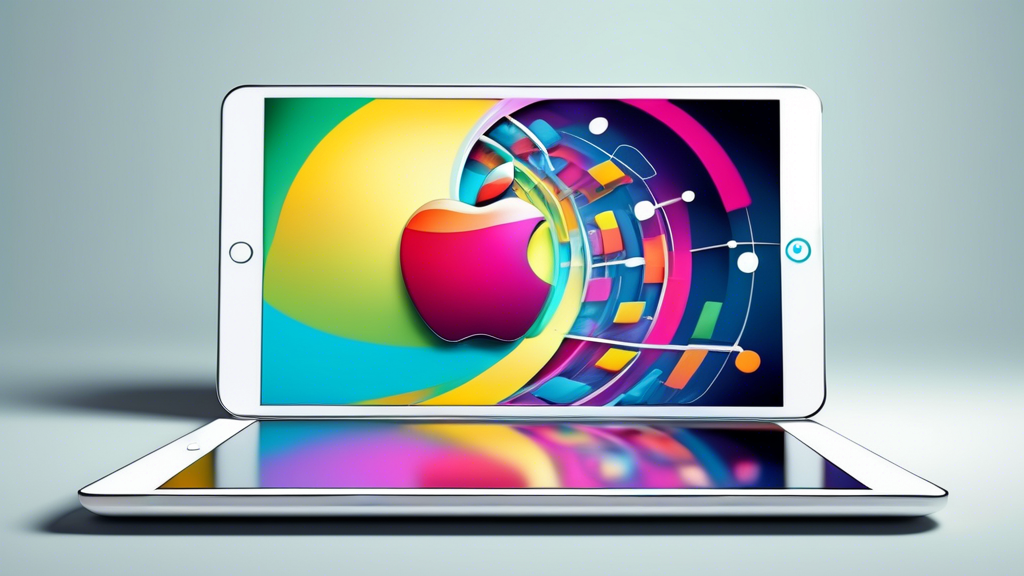
An iPad with an Apple logo oriented horizontally, surrounded by futuristic technology.

Is Apple Flipping its Logo on Future iPads?

Apple is renowned for its meticulous attention to detail, particularly regarding its iconic logo. Since its inception, the Apple logo has adorned devices with a consistent orientation. However, whispers from the tech world suggest a potential shift in this design language, specifically for iPads.

Rumors of a Landscape Logo

Recent reports hint at the possibility of future iPads sporting a horizontally flipped Apple logo, aligning it with the landscape orientation. This move, while seemingly minor, carries significant implications for how users interact with their devices.

The Logic Behind the Landscape Logo

The rationale behind this potential change stems from the evolving usage patterns of iPads. Originally conceived as larger iPhones, iPads have transformed into powerful productivity and creativity tools. This shift is largely attributed to:

  • Keyboard Usage: The increasing adoption of external keyboards for iPads has led to a majority of users preferring a landscape orientation for tasks like typing, coding, and video editing.
  • Multitasking: iPadOS, with its robust multitasking capabilities like Split View and Stage Manager, encourages landscape usage for enhanced productivity.
  • Content Consumption: Consuming media, especially videos and games, is often more immersive in landscape mode.

By aligning the logo with the dominant orientation, Apple acknowledges this shift and offers a more intuitive user experience. Imagine joining a video call or presenting a slideshow, only to have the Apple logo appear upside down to the viewer. A landscape logo mitigates this potential awkwardness.

More Than Just Aesthetics

While the change might seem purely aesthetic, it speaks to Apple’s commitment to user-centric design. A landscape logo subliminally reinforces the iPad’s identity as a device that’s equally adept at creation and consumption, blurring the lines between tablet and traditional computer.

Potential Impact on User Experience

Aligning the logo with the landscape orientation could yield subtle yet impactful improvements in user experience:

  • Enhanced Visual Harmony: A consistent orientation across the device, from the logo to the user interface, promotes a sense of visual order and intuitiveness.
  • Subconscious Reinforcement: A landscape logo subtly reinforces the idea of the iPad as a device designed for productivity and content creation in a landscape orientation.
  • Improved Video Calls and Presentations: The logo will always appear in the correct orientation during video calls or presentations, enhancing professionalism.

Industry Speculation and Predictions

This potential shift in Apple’s design philosophy has ignited discussions within the tech community. Some speculate that a landscape logo might debut on higher-end iPads, such as the Pro models, further distinguishing them as productivity powerhouses. Others believe the change, if implemented, will eventually trickle down to the entire iPad lineup.

Awaiting Official Confirmation

It’s crucial to remember that these reports remain speculative until Apple makes an official announcement. However, the rumors highlight the ongoing evolution of the iPad and Apple’s dedication to refining the user experience. Whether a landscape logo becomes a reality remains to be seen, but the potential change is a testament to Apple’s continuous pursuit of innovation and user-centric design.

Looking Beyond the Logo

While a landscape logo would be a significant design shift, it’s essential to view it within the larger context of Apple’s iPad strategy. The company is likely to introduce more hardware and software enhancements to further solidify the iPad’s position as a versatile device for work, creativity, and entertainment. These advancements might include:

  • More Powerful Processors: Expect future iPads to house even more powerful processors, further blurring the line between tablets and laptops in terms of performance.
  • Improved Displays: Apple is likely to continue enhancing iPad displays with technologies like ProMotion and mini-LED for even smoother scrolling, brighter colors, and higher contrast ratios.
  • Enhanced Apple Pencil Integration: Expect deeper integration of the Apple Pencil across the iPadOS ecosystem, making it an even more intuitive tool for note-taking, drawing, and design.
  • Software Optimizations: Future iPadOS updates will likely introduce further optimizations for multitasking, external display support, and professional-grade apps.

The Future of the iPad

The rumors of a landscape logo, while captivating, represent just one facet of the iPad’s exciting future. As Apple continues to invest in hardware and software innovation, the line between tablet and computer will likely continue to blur. The iPad, with its potential for versatility and user-friendly interface, seems poised to become an even more indispensable tool for both personal and professional endeavors. Whether it’s through a flipped logo or more significant technological advancements, Apple appears committed to pushing the boundaries of what a tablet can be.

testing

Please provide me with the article title so I can write a DALL-E prompt for it.

Introduction

In today’s rapidly evolving technological landscape, Artificial Intelligence (AI) has emerged as a transformative force, revolutionizing industries and reshaping our lives in profound ways. From self-driving cars to virtual assistants, AI is permeating every facet of our existence, promising unprecedented opportunities and challenges. This comprehensive article delves into the realm of Artificial Intelligence, exploring its history, key concepts, prominent applications, ethical considerations, and future implications. Join us as we embark on an illuminating journey to unravel the complexities and potential of this groundbreaking technology.

Defining Artificial Intelligence

Artificial Intelligence, often abbreviated as AI, encompasses the development of computer systems capable of performing tasks that typically require human intelligence. These tasks include learning, reasoning, problem-solving, perception, language understanding, and decision-making. AI systems aim to mimic cognitive functions, enabling machines to exhibit intelligent behavior and adapt to changing environments.

A Brief History of AI

The roots of Artificial Intelligence can be traced back to the mid-20th century, marked by the seminal Dartmouth Workshop in 1956. This gathering of prominent mathematicians and computer scientists is widely considered the birthplace of AI as a distinct field of study. Early pioneers, such as Alan Turing, John McCarthy, and Marvin Minsky, laid the foundation for AI research, exploring topics like symbolic reasoning, natural language processing, and machine learning.

Key Concepts in Artificial Intelligence

1. Machine Learning

Machine learning is a subset of AI that focuses on enabling computers to learn from data without explicit programming. Through algorithms and statistical models, machines can identify patterns, make predictions, and improve their performance over time. Supervised learning, unsupervised learning, and reinforcement learning are prominent machine learning techniques.

2. Deep Learning

Deep learning is a sophisticated form of machine learning that employs artificial neural networks with multiple layers. These networks can process vast amounts of data and extract complex features, leading to breakthroughs in areas like image recognition, natural language processing, and speech synthesis.

3. Natural Language Processing (NLP)

NLP enables computers to understand, interpret, and generate human language. Applications of NLP include machine translation, sentiment analysis, chatbots, and voice assistants.

4. Computer Vision

Computer vision empowers machines to see and interpret visual information from the world, much like humans do. Object detection, image classification, and facial recognition are key applications of computer vision.

Applications of Artificial Intelligence

Artificial Intelligence is transforming numerous industries, ushering in a new era of innovation and efficiency.

1. Healthcare

AI is revolutionizing healthcare by enhancing diagnostics, enabling personalized medicine, and streamlining drug discovery processes. From medical imaging analysis to robot-assisted surgery, AI is transforming patient care and improving outcomes.

2. Finance

In the financial sector, AI is used for fraud detection, algorithmic trading, risk assessment, and customer service automation. AI-powered chatbots provide instant support, while predictive analytics optimize investment strategies.

3. Transportation

Self-driving cars, powered by AI algorithms, promise to enhance road safety, reduce traffic congestion, and improve fuel efficiency. AI is also used for route optimization, traffic prediction, and autonomous drones.

4. Retail

AI is transforming the retail industry through personalized recommendations, inventory management, and cashier-less checkout experiences. AI-powered chatbots enhance customer service by providing instant support and resolving queries.

5. Manufacturing

In manufacturing, AI optimizes production processes, predicts equipment failures, and enables predictive maintenance. Robots powered by AI work alongside human workers, enhancing efficiency and productivity.

Ethical Considerations in Artificial Intelligence

The rapid advancement of AI raises ethical considerations that need to be carefully addressed.

1. Job Displacement

As AI automates tasks previously performed by humans, concerns about job displacement arise. It is crucial to foster reskilling and upskilling initiatives to prepare the workforce for the future of work.

2. Bias and Fairness

AI systems can inherit and amplify existing biases present in the data they are trained on, leading to unfair or discriminatory outcomes. It is essential to ensure fairness, transparency, and accountability in AI algorithms.

3. Privacy and Security

AI systems often collect and analyze vast amounts of data, raising concerns about privacy and security. Robust data protection mechanisms and regulations are crucial to safeguard individuals’ information.

The Future of Artificial Intelligence

The future of Artificial Intelligence is brimming with possibilities. Advancements in quantum computing, edge computing, and explainable AI are expected to unlock new frontiers. AI is likely to play an increasingly pivotal role in addressing global challenges, such as climate change, disease prevention, and sustainable development.

Conclusion

Artificial Intelligence is a transformative technology with the potential to revolutionize industries, enhance our lives, and shape the future. From healthcare and finance to transportation and retail, AI is making its mark across all sectors. As we embrace the opportunities presented by AI, it is crucial to address ethical considerations and ensure responsible development and deployment. By fostering collaboration, promoting transparency, and prioritizing human well-being, we can harness the power of Artificial Intelligence for the betterment of humanity.