Cloud Provider Snowflake Breach Linked to Ticketmaster Hack

A snowflake server on fire with the Ticketmaster logo melting into it, surrounded by hackers in ski masks.

Data Breach at Cloud Provider Exposes Sensitive Information, Raising Concerns About Third-Party Security

In a concerning development for the cybersecurity landscape, a recent data breach at cloud provider Snowflake has been linked to the high-profile Ticketmaster hack that occurred earlier this year. The breach highlights the escalating risks associated with third-party data storage and the potential for cascading cyberattacks.

Snowflake Confirms Security Lapse, Downplays Impact

Snowflake, a renowned cloud-based data warehousing company, has confirmed that a security vulnerability within its systems was exploited to gain unauthorized access to internal data. The company maintains that the breach was limited to a subset of its internal data and that no customer data was compromised.

Ticketmaster Hack Traced Back to Snowflake Vulnerability

Investigations into the Ticketmaster hack have revealed a direct connection to the Snowflake breach. Cybercriminals responsible for the Ticketmaster intrusion reportedly gained access to Snowflake’s systems through a compromised third-party vendor. Once inside Snowflake’s network, the attackers were able to obtain credentials that granted them access to Ticketmaster’s systems.

The Domino Effect of Third-Party Breaches

This incident underscores the growing threat of third-party data breaches and the interconnected nature of cybersecurity risks. Organizations often rely on a complex web of third-party vendors for various services, including cloud storage, data processing, and customer relationship management. While these partnerships offer numerous benefits, they also introduce potential vulnerabilities that can be exploited by malicious actors.

Implications for Organizations and Cloud Security

The Snowflake-Ticketmaster breach serves as a stark reminder for organizations to prioritize third-party risk management. Relying solely on the security practices of vendors is no longer sufficient. Organizations must adopt a proactive approach to assess and mitigate potential risks associated with third-party relationships.

Key Takeaways and Recommendations

To mitigate the risks highlighted by this incident, organizations should consider the following recommendations:

1. Conduct Thorough Due Diligence

Before engaging with any third-party vendor, conduct comprehensive due diligence to assess their security posture. This includes reviewing security certifications, incident response plans, and data encryption protocols.

2. Implement Strong Access Controls

Limit access to sensitive data and systems, both within your organization and when granting permissions to third-party vendors. Implement the principle of least privilege, granting access only to those who require it for their specific roles.

3. Encrypt Sensitive Data

Encryption plays a crucial role in safeguarding sensitive information. Ensure that data stored in the cloud or shared with third parties is encrypted both in transit and at rest. This adds an extra layer of protection in case of unauthorized access.

4. Monitor Third-Party Activities

Continuous monitoring of third-party activities is essential to detect and respond to suspicious behavior promptly. Implement security information and event management (SIEM) systems and intrusion detection systems (IDS) to track network traffic and identify potential threats.

5. Establish Incident Response Plans

Develop and regularly test incident response plans that specifically address third-party breaches. These plans should outline roles, responsibilities, communication protocols, and remediation steps to be taken in the event of a security incident.

6. Stay Informed About Emerging Threats

The cybersecurity landscape is constantly evolving. Stay informed about emerging threats and vulnerabilities, particularly those that impact third-party vendors. Regularly update security practices and technologies to stay ahead of potential risks.

Conclusion

The Snowflake-Ticketmaster breach highlights the critical importance of third-party risk management in today’s interconnected digital world. By adopting a proactive and comprehensive approach to cybersecurity, organizations can mitigate the risks associated with third-party relationships and safeguard their sensitive data from unauthorized access. This incident serves as a stark reminder that security is a shared responsibility and that vigilance is paramount in the face of evolving cyber threats.
Settings App Getting a Redesign in iOS 18 and macOS 15

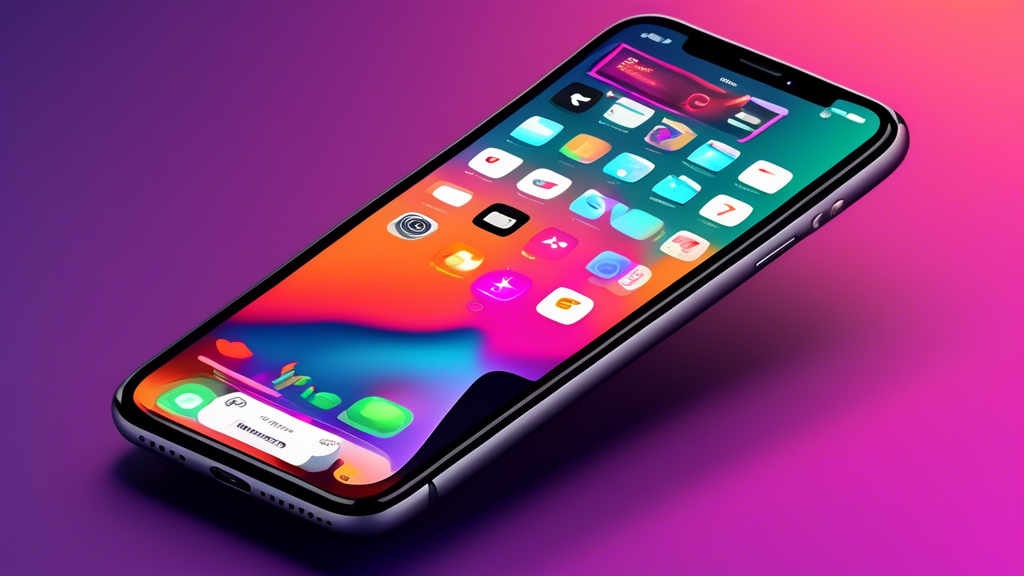
A futuristic, sleek iPhone displaying a redesigned settings app with intuitive icons and a minimalist interface, set against a backdrop of the macOS 15 desktop.

iOS 18 and macOS 15 to Feature Revamped Settings App

Apple’s upcoming software updates for iPhone and Mac, iOS 18 and macOS 15, are expected to bring a significant redesign to the Settings app, a core component of both operating systems. This overhaul aims to improve user experience, making navigation more intuitive and finding specific settings less cumbersome. While Apple has remained tight-lipped about the specifics, rumors and leaks suggest a range of exciting changes are on the horizon.

A More Visually Appealing and User-Friendly Interface

One of the primary focuses of the redesign seems to be aesthetics and user-friendliness. Reports indicate that Apple will introduce a cleaner, more modern look to the Settings app, aligning it with the overall design language of iOS 18 and macOS 15. This could involve using bolder fonts, redesigned icons, and a brighter color palette. The goal is to make the app more visually appealing and easier to navigate, particularly for new users.

Enhanced Search Functionality for Quicker Access

Navigating the labyrinthine Settings app to find a specific setting can be frustrating. Recognizing this, Apple is reportedly enhancing the search functionality within the app. This improved search feature is said to be more intelligent, understanding natural language and providing more accurate search results. Users may be able to type in queries like How do I change my wallpaper? or Where are my privacy settings? and be directed to the appropriate location instantly.

Personalized Recommendations and Proactive Suggestions

Apple is reportedly taking personalization to the next level with the redesigned Settings app. The app is rumored to offer personalized recommendations and proactive suggestions based on user behavior and device usage. For instance, if you frequently adjust your display brightness, the Settings app might suggest enabling auto-brightness. Similarly, if you haven’t used a particular app in a while, the app might recommend offloading it to save storage space.

Consolidation of Related Settings for Streamlined Management

The current Settings app can feel somewhat fragmented, with related settings scattered across different menus and submenus. To address this, Apple is expected to consolidate related settings into more cohesive groups. This means you might find all your privacy-related settings in one place, all your display settings in another, and so on. This logical grouping of settings will make managing your device settings much more streamlined.

Improved Accessibility Features for All Users

Apple has always been a leader in accessibility, and the redesigned Settings app is expected to further this commitment. Rumors suggest enhancements to existing accessibility features and the addition of new ones. These improvements might include larger text size options, higher contrast settings for better visibility, and more intuitive controls for users with motor impairments.

Integration with Apple Services and Third-Party Apps

The redesigned Settings app might also see tighter integration with other Apple services and potentially even third-party apps. For example, your Apple ID and iCloud settings might be more prominently displayed and easier to manage. We might also see settings for managing Apple services like Apple Music, Apple Pay, and Find My directly within the Settings app. Third-party app integration could allow users to adjust specific permissions or settings for individual apps within the Settings app itself, eliminating the need to navigate through individual app settings.

A Foundation for Future Innovation and Personalization

The redesign of the Settings app in iOS 18 and macOS 15 signifies more than just a visual refresh. It represents Apple’s commitment to continually improving the user experience and creating a more intuitive and personalized operating system. This overhaul lays the foundation for future innovation, potentially paving the way for more advanced personalization features, tighter integration with Apple’s ecosystem, and a more user-friendly approach to device management.

Conclusion: A Welcome Change with the Potential to Enhance User Experience

While the specific details of the redesigned Settings app remain under wraps until Apple’s official announcements, the rumored changes point toward a significant improvement in usability and functionality. The combination of a more visually appealing interface, enhanced search capabilities, personalized recommendations, and consolidated settings holds the potential to make the Settings app a far more pleasant and efficient experience for both novice and experienced Apple users alike.

Acer Unveils New Monitors, Wi-Fi 7 Mesh Router, and Innovative 3D Camera at Computex 2024

A futuristic tech display showcasing sleek Acer monitors, a powerful Wi-Fi 7 mesh router emitting a glowing network, and a cutting-edge 3D camera capturing the scene at Computex 2024.

Acer Makes Waves at Computex 2024 with Cutting-Edge Monitors, Blazing-Fast Networking, and Revolutionary 3D Camera Technology

Taipei, Taiwan – [Date of Release] – Acer Inc. took center stage at Computex 2024, captivating attendees with a powerful showcase of innovative technology spanning high-performance monitors, next-generation networking solutions, and a groundbreaking 3D camera poised to redefine content creation. The company’s latest offerings underscore its commitment to delivering exceptional experiences that empower users to connect, create, and push the boundaries of what’s possible.

A Visual Feast: Acer Debuts Monitors Designed for Every Need

Acer solidified its leadership in the display arena, unveiling a range of monitors meticulously engineered to meet the diverse needs of gamers, professionals, and everyday users. Key highlights from the monitor lineup include:

[Name of Gaming Monitor] Series: A Quantum Leap in Gaming Immersion

[Descriptive paragraph about the gaming monitor series, highlighting key features such as refresh rate, response time, resolution, panel technology (e.g., OLED, Mini LED), and adaptive sync technology support (e.g., NVIDIA G-Sync, AMD FreeSync). Mention any unique design elements or gaming-centric features, like RGB lighting or specialized software.]

Example:

The [Name of Gaming Monitor] series sets a new benchmark for competitive gaming with blazing-fast [Refresh Rate] refresh rates and ultra-responsive [Response Time] response times, ensuring crystal-clear visuals even during the most demanding action sequences. Featuring cutting-edge [Panel Technology] panels with vibrant colors and deep blacks, these monitors bring virtual worlds to life with breathtaking fidelity. Support for [Adaptive Sync Technology] guarantees buttery-smooth gameplay, free from screen tearing and stuttering.

[Name of Professional Monitor] Series: Elevating Productivity and Visual Brilliance

[Descriptive paragraph about the professional monitor series, focusing on features relevant to professionals, such as color accuracy, wide color gamut coverage (e.g., 99% Adobe RGB, 100% sRGB), high dynamic range (HDR) support (e.g., HDR1000, VESA DisplayHDR), ergonomic design (e.g., adjustable stand, USB-C connectivity), and features for multitasking (e.g., picture-by-picture, picture-in-picture).]

Example:

Designed to meet the exacting demands of creative professionals, the [Name of Professional Monitor] series boasts exceptional color accuracy, covering [Color Gamut Coverage] for true-to-life visuals. The high-resolution displays provide ample screen real estate for demanding workflows, while [HDR Support] delivers stunning contrast and detail. Integrated USB-C connectivity streamlines workstation setups, and ergonomic stands allow for personalized comfort, promoting productivity throughout the workday.

Acer Embraces the Future of Connectivity with Wi-Fi 7 Mesh Router

[Descriptive paragraph introducing the new Wi-Fi 7 mesh router, highlighting its key features and benefits. Emphasize the advantages of Wi-Fi 7, such as faster speeds, lower latency, and improved network efficiency. Mention any unique features of the router, such as AI-powered optimization, advanced security protocols, or easy-to-use management software.]

Example:

Acer ushers in the next generation of wireless connectivity with the groundbreaking [Name of Wi-Fi 7 Mesh Router]. Leveraging the latest Wi-Fi 7 technology, this router delivers blazing-fast speeds, ultra-low latency, and robust signal coverage, even in challenging environments. Experience seamless 4K/8K video streaming, lag-free online gaming, and lightning-fast file transfers. The [Name of Wi-Fi 7 Mesh Router] features [Unique Features], ensuring optimal network performance and security for your entire home or office.

Capturing Reality in a Whole New Dimension: Acer’s Innovative 3D Camera

[Descriptive paragraph introducing the new 3D camera, focusing on its unique capabilities and potential applications. Explain how the technology works, its key features (e.g., resolution, depth sensing technology, ease of use), and potential benefits for creators (e.g., creating immersive AR/VR experiences, 3D modeling, volumetric video).]

Example:

Acer reimagines the creative landscape with its revolutionary 3D camera, empowering users to capture the world around them in stunning three-dimensional detail. Utilizing advanced [Depth Sensing Technology], this compact yet powerful camera effortlessly generates high-resolution 3D models and immersive environments. Content creators can leverage its intuitive design and user-friendly software to develop engaging augmented reality (AR) and virtual reality (VR) experiences, intricate 3D models for various industries, and captivating volumetric videos that push the boundaries of storytelling.

Acer’s Vision for the Future: A Connected and Immersive World

[Concluding paragraph summarizing the significance of Acer’s announcements at Computex 2024. Reinforce the company’s commitment to innovation and how its new products will shape the future of technology, enhancing the way people work, play, and interact with the world.]

Example:

With its latest suite of products unveiled at Computex 2024, Acer reaffirms its position as a driving force in the technology industry. These cutting-edge monitors, high-performance networking solutions, and groundbreaking 3D camera demonstrate Acer’s commitment to pushing the boundaries of what’s possible, empowering users with the tools they need to connect, create, and thrive in an increasingly digital world.

Review of the Vizio Quantum Pro

A sleek and modern Vizio television with a bright Quantum Pro logo, showcasing a vibrant and detailed image of a nebula on screen.

Vizio Quantum Series Pro Review: An In-Depth Look

Vizio has made a name for itself by offering TVs with impressive features at competitive prices. The Vizio Quantum Series Pro is no exception, packing in quantum dot technology, Dolby Vision HDR, and a plethora of smart features, all without breaking the bank. But how does it stack up against the competition? This comprehensive review dives deep into the Vizio Quantum Series Pro’s performance, features, pros, and cons to help you decide if it’s the right TV for your needs.

Image Quality: Where the Quantum Dots Shine

The Vizio Quantum Series Pro boasts a Quantum Color display with up to 120Hz refresh rate. This translates to a vibrant and immersive viewing experience, particularly when it comes to HDR content. Here’s a closer look:

Quantum Dot Technology:

Quantum dots are nano-sized particles that emit light of specific wavelengths when exposed to light. In the Quantum Series Pro, these dots enhance the color accuracy and brightness, resulting in a wider color gamut and more realistic images. Reds, greens, and blues appear more vivid and lifelike compared to standard LED TVs.

High Dynamic Range (HDR):

The Vizio Quantum Series Pro supports both Dolby Vision HDR and HDR10+. This means you’ll experience a wider range of colors and contrasts, with brighter highlights and deeper blacks, in compatible content. The difference is particularly noticeable in scenes with high contrast, such as a starry night sky or a brightly lit cityscape.

Local Dimming Zones:

To further enhance contrast, the Quantum Series Pro employs local dimming, a technology that selectively dims the backlight in specific zones of the screen. This results in deeper black levels and improved detail in dark areas. While the number of local dimming zones varies depending on the screen size, even the smaller models offer a noticeable improvement over edge-lit TVs.

Motion Handling and Gaming:

The Vizio Quantum Series Pro is a solid choice for gamers and sports enthusiasts thanks to its impressive motion handling capabilities.

Variable Refresh Rate (VRR):

VRR technology synchronizes the TV’s refresh rate with the output of your gaming console or PC, reducing screen tearing and stuttering for a smoother, more responsive gaming experience.

Auto Low Latency Mode (ALLM):

When you connect a gaming console, the TV automatically switches to ALLM, minimizing input lag for near-instantaneous response times. This is crucial for fast-paced gaming where every millisecond counts.

Smart Features and User Experience:

The Vizio Quantum Series Pro runs on the latest version of Vizio’s SmartCast platform, which offers a user-friendly interface and a vast library of streaming apps.

SmartCast Platform:

SmartCast provides access to popular streaming services like Netflix, Hulu, Disney+, YouTube TV, and more. The platform’s intuitive layout makes it easy to find your favorite shows and movies.

Voice Control:

The Quantum Series Pro comes equipped with voice control functionality. You can use your voice to search for content, control playback, and adjust settings. The TV supports both Google Assistant and Amazon Alexa for seamless integration with your smart home ecosystem.

Design and Connectivity:

The Vizio Quantum Series Pro features a sleek and modern design with thin bezels that minimize distractions. It comes with multiple HDMI ports, ensuring you have enough connections for your gaming consoles, Blu-ray player, and other devices.

Sound Quality:

While the Vizio Quantum Series Pro delivers impressive picture quality, its built-in speakers are relatively standard. The sound is clear enough for casual viewing, but for a more immersive audio experience, investing in a dedicated soundbar or surround sound system is recommended.

Price and Value:

One of the most compelling aspects of the Vizio Quantum Series Pro is its price-to-performance ratio. It offers a premium viewing experience with features typically found in more expensive TVs. This makes it an exceptional value for budget-conscious consumers who don’t want to compromise on picture quality.

Pros:

  • Excellent color accuracy and brightness thanks to Quantum Dot technology
  • Impressive HDR performance with Dolby Vision and HDR10+ support
  • Smooth motion handling with VRR and ALLM, ideal for gaming
  • User-friendly SmartCast platform with a wide selection of apps
  • Voice control compatibility with Google Assistant and Amazon Alexa
  • Competitive price point for the features offered

Cons:

  • Sound quality could be better, a soundbar might be desired
  • Local dimming, while effective, could be more refined with a higher zone count on some models

Conclusion:

The Vizio Quantum Series Pro is a compelling choice for those seeking a premium TV viewing experience without the premium price tag. Its quantum dot technology delivers vibrant and accurate colors, while HDR support elevates the viewing experience to new heights. Gamers will appreciate the smooth motion handling and low input lag, while the user-friendly SmartCast platform ensures a seamless streaming experience. While the audio might not be its strongest suit, the overall package makes the Vizio Quantum Series Pro a top contender in its class.

Spotify to Refund ‘Car Thing’ Purchases After Product Discontinuation

A Spotify Car Thing smart player driving into a sunset on a road made of money.

Spotify to Issue Refunds for ‘Car Thing’ After Abrupt Discontinuation

Music Streaming Giant Admits Miscalculation with Short-Lived Device

In a surprising turn of events, Spotify, the world’s leading music streaming service, has announced it will be offering full refunds to all purchasers of its recently discontinued hardware product, ‘Car Thing’. The device, a touchscreen dashboard accessory designed to streamline Spotify access in vehicles, was only launched in February 2022 but was abruptly discontinued a mere five months later.

A Bold Experiment Cut Short

Car Thing was Spotify’s first foray into the world of hardware, representing a bold move for a company primarily known for its software and streaming services. The device was designed to address a specific pain point for Spotify users: accessing and controlling music playback in cars, especially older models that lacked seamless smartphone integration.

Priced at $89.99, Car Thing offered a dedicated interface for Spotify, featuring a combination of physical buttons, a touchscreen, and voice control. The device aimed to simplify music selection, playlist navigation, and playback control, minimizing distractions for drivers.

Initial Enthusiasm Meets Lukewarm Reception

The announcement of Car Thing was met with a mixture of curiosity and enthusiasm from Spotify’s massive user base. The device seemed like a logical extension of Spotify’s core offering, potentially bridging the gap for users who hadn’t yet embraced CarPlay or Android Auto.

However, despite the initial buzz, Car Thing received a somewhat lukewarm reception upon its release. Critics praised the device’s intuitive interface and seamless Spotify integration but questioned its overall value proposition. The reliance on a smartphone connection for music streaming felt limiting to some, especially considering the prevalence of Bluetooth connectivity in most modern cars.

Market Forces and Shifting Priorities

Spotify cited several factors contributing to Car Thing’s demise, most notably the challenging economic climate and shifting global supply chain dynamics. The company acknowledged that the product’s production costs had become unsustainable, impacting profitability.

The global semiconductor shortage and supply chain disruptions have created significant challenges for hardware production, increasing costs and impacting our ability to deliver Car Thing at scale, explained a Spotify spokesperson in an official statement.

Furthermore, Spotify hinted at a strategic shift in focus, prioritizing software innovation and platform enhancements over hardware development. The company emphasized its commitment to delivering seamless listening experiences across a wide range of devices and integrations.

Refund Process and Customer Impact

In a move commended by both consumers and industry analysts, Spotify pledged to offer full refunds to all Car Thing purchasers. The company stated that it would be reaching out to eligible customers directly via email with instructions on how to initiate the refund process.

We want to express our sincere gratitude to everyone who purchased Car Thing. We are committed to making this right and ensuring a smooth refund experience for all our valued customers, assured the Spotify spokesperson.

The decision to offer full refunds is a testament to Spotify’s commitment to customer satisfaction and its willingness to acknowledge missteps. This proactive approach has been well-received, mitigating potential backlash and preserving brand reputation.

Lessons Learned and the Future of Audio Hardware

Spotify’s foray into hardware, though short-lived, offers valuable insights into the evolving landscape of audio consumption and the challenges of diversifying beyond software-centric models. Car Thing’s discontinuation underscores the importance of meticulous market research, cost-effective production strategies, and a deep understanding of evolving consumer needs.

While Spotify’s immediate hardware ambitions may have been scaled back, the company remains optimistic about the future of audio innovation. In a statement following the Car Thing announcement, Spotify hinted at ongoing exploration of new technologies and form factors, emphasizing its commitment to shaping the future of audio experiences.

The Car Thing saga serves as a reminder that even tech giants are not immune to the complexities of the hardware market. As Spotify pivots back to its core strengths in software and streaming, the company’s experience with Car Thing will undoubtedly shape its future product development strategies.

Looking Ahead: Spotify’s Focus on Software and Integration

Despite the setback with Car Thing, Spotify remains a dominant force in the music streaming industry. The company boasts over 433 million monthly active users and continues to innovate with new features, personalized playlists, and expanded podcast offerings.

The decision to discontinue Car Thing allows Spotify to refocus its resources on its core competencies:

  • ** Enhancing the core Spotify app:** Expect ongoing improvements to the user interface, recommendation algorithms, and music discovery features.
  • **Expanding Podcast Dominance:** Spotify has invested heavily in podcasts and aims to become the leading platform for both audio creators and listeners.
  • **Strategic Partnerships:** Spotify will likely pursue partnerships with other tech companies and automotive manufacturers to ensure seamless integration with a wider range of devices and platforms. Think improved Spotify Connect, deeper ties with Google and Apple for in-car systems, and potential collaborations with voice assistant providers.

While Spotify’s Car Thing experiment may not have achieved the desired outcome, the company’s willingness to adapt and prioritize long-term sustainability demonstrates its agility in the ever-evolving tech landscape.

iOS 18 Users Will Wait Until 2025 for Advanced AI Siri Features

A futuristic, transparent iPhone with iOS 18 on the screen, showing a holographic Siri head saying 2025... I'm worth the wait with a playful wink.

Delays and Development Push Back Full Integration

Hold onto your hats, Apple fans, because the much-anticipated AI-powered Siri overhaul might take a bit longer than expected. Recent reports from industry insiders suggest that while iOS 18 will see some initial integrations of the advanced AI technology showcased at WWDC, the full suite of features might not be available to the public until 2025.

A Glimmer of AI in iOS 18

Don’t despair just yet! iOS 18 isn’t completely ditching the AI hype. Apple is set to introduce a taste of the AI future with Siri receiving enhancements like improved contextual awareness and faster response times. Users can expect a Siri that’s better at understanding natural language and anticipating needs. Imagine asking Siri to remind me to grab the dry cleaning after the gym and having it accurately set the reminder, taking into account your gym schedule and usual dry cleaning pick-up time. These are the types of subtle but significant improvements iOS 18 will offer.

The Road to a Truly Intelligent Siri

While these initial steps are promising, the true game-changer – a Siri capable of complex tasks, advanced reasoning, and seamless integration with third-party apps – is still under development. The complexity of building a truly intelligent assistant, one that can understand and respond to the nuances of human language and behavior, is proving to be a monumental task, even for a tech giant like Apple.

Factors Contributing to the Delay

Several factors contribute to the extended timeline for the fully-fledged AI Siri experience.

1. Data Privacy, Apple’s Top Priority

Apple has long been a champion of user privacy, and the integration of advanced AI presents unique challenges. Training AI models requires massive amounts of data, and Apple is committed to ensuring this data is handled responsibly and ethically. The company is developing robust privacy-preserving techniques to protect user data while still enabling the AI to learn and improve. This dedication to privacy, while commendable, naturally adds complexity and time to the development process.

2. The Quest for Seamless Integration

Apple’s vision goes beyond a simple voice assistant. They aim for Siri to become a seamless part of the entire Apple ecosystem and beyond. This requires extensive development and collaboration with third-party developers to ensure smooth API integration and a cohesive user experience across various apps and services.

3. Hardware Limitations and Potential

While iPhones boast impressive processing power, the demands of advanced AI might necessitate even more capable hardware. Apple might be strategically waiting for future iPhone generations, equipped with more powerful processors and dedicated AI chips, to unlock the full potential of the new Siri.

What Can Users Expect in 2025?

The wait until 2025 might seem extensive, but it promises revolutionary changes in how we interact with our devices. Here are some potential features of the fully realized AI Siri:

1. A Proactive and Intuitive Assistant

Imagine Siri anticipating your needs before you even ask. It could learn your daily routines, preferences, and even predict potential problems. Picture this: Siri notices your calendar is packed and proactively suggests rescheduling a less important meeting, freeing up time for a task you’ve been putting off. This level of proactive assistance could be a game-changer for productivity and stress management.

2. Complex Task Automation

Beyond setting simple reminders, the future Siri could automate complex tasks across various apps. Need to book a flight and hotel? Siri could handle the entire process, finding the best deals, entering your information, and even coordinating with travel companions. This level of automation could free up significant time and mental energy for more important tasks.

3. Personalized Learning and Adaptation

The AI-powered Siri will continuously learn and adapt to your individual needs and preferences. The more you interact with it, the better it will understand your communication style, anticipate your needs, and provide truly personalized assistance.

4. Enhanced Accessibility Features

AI has the potential to make technology more accessible for everyone. The new Siri could offer advanced voice control options, real-time language translation, and features specifically designed to assist users with disabilities.

The Future of AI and Apple

The integration of advanced AI into Siri is not just a single feature upgrade; it represents a fundamental shift in how we interact with technology. Apple is known for its meticulous approach to development and its commitment to delivering polished and user-friendly experiences. While the wait for the full realization of the AI-powered Siri might seem long, it’s a testament to Apple’s dedication to getting it right. The future of Apple and AI is deeply intertwined, and when it arrives, the wait will undoubtedly be worth it.

Rumors swirl around potential releases of Resident Evil 9, alongside remakes of Zero, 5, and Code Veronica

A swirling vortex of logos for Resident Evil 9, Resident Evil Zero, Resident Evil 5, and Resident Evil Code Veronica, surrounded by question marks.

Rumors Swirl Around Potential Releases of Resident Evil 9, Alongside Remakes of Zero, 5, and Code Veronica

The survival horror genre is experiencing a renaissance, and Capcom’s iconic Resident Evil franchise is leading the charge. With the resounding success of remakes like Resident Evil 2 and Resident Evil 4, alongside new entries like Resident Evil Village, fans are hungry for more. Whispers on the internet suggest a future brimming with both remakes and brand-new nightmares. Let’s delve into the swirling rumors surrounding Resident Evil 9 and the potential remakes of Resident Evil 0, Resident Evil 5, and Resident Evil – Code: Veronica.

Resident Evil 9: A Glimpse into the Unknown

While Capcom remains tight-lipped about the next mainline installment, the rumor mill churns relentlessly. Speculation runs rampant about the setting, characters, and story that Resident Evil 9 might explore. Some leaks and whispers suggest:

  • A Return to Horror Roots: Following the action-oriented Village, rumors suggest RE9 will dial back the intensity, focusing on a more atmospheric and psychological horror experience reminiscent of early entries.
  • Exploration of Occultism and Folklore: The series has flirted with supernatural elements before, but RE9 is rumored to delve deeper into the realms of occultism, mythology, and ancient rituals, potentially drawing inspiration from European folklore.
  • New Protagonists and Connections to the Past: While familiar faces might make appearances, RE9 is expected to introduce fresh protagonists, possibly with ties to the series’ intricate lore and past events.

Until Capcom breaks its silence, Resident Evil 9‘s specifics remain shrouded in mystery. However, the sheer volume of rumors and the franchise’s track record indicate that a new chapter in the Resident Evil saga is undoubtedly on the horizon.

The Remake Revolution Continues

Capcom’s masterful remakes have breathed new life into classic Resident Evil titles. With updated graphics, refined gameplay, and expanded storylines, these remakes have captivated both longtime fans and newcomers. The rumor mill suggests that Capcom has even more remakes in store, focusing on fan-favorite entries:

Resident Evil 0: A Prequel Reborn

Released in 2002, Resident Evil 0 served as a prequel to the original game, introducing players to Rebecca Chambers and Billy Coen as they navigated a zombie-infested train and a sinister training facility. A potential remake could:

  • Modernize the Gameplay: While praised for its atmosphere, RE0‘s partner zapping mechanic and fixed camera angles felt dated even upon release. A remake could implement a more modern over-the-shoulder perspective and refine the partner system, enhancing the overall experience.
  • Expand the Story and Characters: A remake presents an opportunity to delve deeper into Rebecca’s backstory, explore her relationship with Billy in greater detail, and flesh out the events leading up to the Mansion Incident.
  • Enhance the Horror: With modern graphics and sound design, a remake could amplify the game’s eerie atmosphere, making the environments and creatures even more unsettling.

Resident Evil 5: A Controversial Entry Revisited

Resident Evil 5, while commercially successful, divided fans upon release. Critics pointed to its departure from survival horror roots and its problematic portrayal of certain cultures. A remake could address these concerns by:

  • Refocusing on Horror: Capcom could rebalance the gameplay, emphasizing survival horror elements over the action-heavy focus of the original. This might involve reducing ammo availability, introducing new enemy types, and creating a more suspenseful atmosphere.
  • Addressing Cultural Sensitivity: A remake offers an opportunity to re-evaluate and potentially alter character designs, storylines, and themes that were considered insensitive or problematic in the original release.
  • Reimagining Co-op Gameplay: The co-op mechanics, while innovative for the time, could be further refined, allowing for more dynamic and engaging cooperative play.

Resident Evil – Code: Veronica: A Fan Favorite Returns

Widely regarded as one of the best entries in the classic Resident Evil style, Code: Veronica followed Claire Redfield’s search for her brother Chris. Set in a remote island prison and an Antarctic research facility, the game boasted memorable environments and terrifying enemies. A remake could:

  • Bring the Visuals Up to Par: While atmospheric, Code: Veronica‘s pre-rendered backgrounds and somewhat clunky character models haven’t aged particularly well. A remake could utilize the RE Engine to create stunning visuals, bringing the environments and creatures to life with incredible detail.
  • Enhance Gameplay Mechanics: The game’s controls and camera angles, while passable for their time, could be modernized for a smoother, more intuitive experience. Implementing the over-the-shoulder perspective from the RE2 and RE3 remakes would be a welcome addition.
  • Expand the Story and Lore: A remake could delve deeper into the Ashford family’s history, explore the origins of the t-Veronica virus in greater detail, and potentially connect the narrative more directly to other games in the timeline.

The Future of Fear

While Capcom has yet to confirm any of these projects officially, the rumors and speculation surrounding Resident Evil 9 and the potential remakes of Zero, 5, and Code: Veronica highlight the enduring popularity and influence of this iconic franchise. With each new release and remake, Capcom demonstrates its commitment to both honoring the series’ legacy and pushing the boundaries of the survival horror genre. As fans eagerly await official announcements, the future of Resident Evil appears as terrifyingly bright as ever.

Leaked image suggests a key design change for the Galaxy Z Fold 6

A futuristic foldable smartphone with a redesigned hinge, casting a dynamic shadow on a sleek surface.

Leaked Image Hints at Major Design Overhaul for Samsung’s Galaxy Z Fold 6

The rumor mill is churning, and this time, it’s spitting out tantalizing hints about Samsung’s next big thing in the foldable phone arena – the Galaxy Z Fold 6. While Samsung likes to keep things under wraps, leaks, like whispers in the wind, have a way of escaping. A recently surfaced image, allegedly showcasing the design of the Galaxy Z Fold 6, has sent ripples of excitement and speculation through the tech community.

A Departure from the Familiar: Unveiling the Design Shift

If the leaked image proves accurate, Samsung seems poised to deviate from its established design language, potentially ushering in a new era for the Fold series. The image reveals a significant change that has sparked fervent discussion – a redesigned hinge mechanism.

Previous iterations of the Galaxy Z Fold, from the groundbreaking Fold to the refined Fold 5, have sported a noticeable crease down the center of the inner display. This crease, an inherent consequence of the folding technology, has been a point of contention for some users, impacting the visual experience and, at times, even the tactile feel of the screen.

The leaked image, however, paints a different picture. The purported Fold 6 appears to adopt a droplet hinge design, a technology that’s been making waves in the foldable phone world. This ingenious hinge allows the display to fold into a teardrop-like shape within the hinge mechanism. The result? A dramatically reduced crease that’s barely perceptible, promising a smoother, more immersive viewing experience.

Beyond the Hinge: Exploring Other Potential Upgrades

While the redesigned hinge steals the spotlight, rumors suggest that Samsung has a few more tricks up its sleeve. The Galaxy Z Fold 6 is anticipated to be a powerhouse of innovation, boasting upgrades that could redefine our expectations from foldable phones.

A Camera to Rival the Best

Samsung is renowned for its exceptional camera technology, and the Galaxy Z Fold 6 is expected to carry the torch forward. Whispers in the tech sphere suggest that the Fold 6 might inherit the impressive camera system of its flagship sibling, the Galaxy S23 Ultra. If true, prepare for a triple-camera setup featuring a 200MP primary sensor, a 12MP ultrawide lens, and a 10MP telephoto lens with 3x optical zoom. Such a camera system would elevate the Fold 6’s photography prowess, allowing users to capture stunning images and videos.

Power and Performance Unleashed

Under the hood, the Galaxy Z Fold 6 is rumored to be powered by Qualcomm’s latest and greatest – the Snapdragon 8 Gen 2 processor. This chipset, known for its blazing-fast performance and exceptional power efficiency, would make the Fold 6 a true multitasking marvel, effortlessly handling demanding apps, high-resolution gaming, and seamless multimedia consumption.

A Battery Built for the Foldable Lifestyle

Foldable phones, with their expansive displays, demand robust battery life. Samsung is rumored to be addressing this need by equipping the Fold 6 with a more substantial battery compared to its predecessors. Coupled with the power-efficient processor, the Fold 6 might just silence the critics who bemoan the battery life of foldable devices.

A Glimpse into the Future: The Impact of the Fold 6

Should the Galaxy Z Fold 6 deliver on even half of these rumored upgrades, it has the potential to be a game-changer in the foldable phone market. A less prominent crease alone could sway skeptical consumers who have been hesitant to embrace the foldable revolution.

However, the ultimate test lies in the hands of users. The success of the Fold 6 will hinge on its real-world performance, durability, and, of course, its price tag. If Samsung can strike a balance between innovation, user experience, and affordability, the Fold 6 might just become the phone that propels foldable technology into the mainstream.

Awaiting the Grand Unveiling

As with all rumors, it’s wise to tread with a healthy dose of skepticism. Until Samsung officially lifts the curtain on the Galaxy Z Fold 6, we can only speculate based on the whispers and leaked images. However, one thing is certain – the anticipation is building, and the tech world is eagerly awaiting the next chapter in Samsung’s foldable phone saga.

TCL 115QM891G TV

A sleek and modern TCL TV with a large 115 inch screen, displaying vibrant and immersive visuals, in a stylish living room setting.

TCL 115QM891G TV Review: Is This Behemoth Right for You?

The TCL 115QM891G TV is a statement piece. At a colossal 115 inches, this TV redefines home theater. But is bigger always better? In this comprehensive review, we’ll delve into the features, performance, pros, and cons of the TCL 115QM891G to help you decide if it’s the right fit for your entertainment needs.

A Cinematic Experience at Home

Let’s address the elephant in the room, or rather, the giant screen dominating your living room. The TCL 115QM891G delivers an unparalleled immersive experience. Imagine a movie theater screen in the comfort of your home. This TV transforms your viewing space, pulling you into the heart of the action. Whether it’s the sweeping landscapes of your favorite documentary or the intense battles of a blockbuster film, the sheer size of the 115QM891G makes everything more impactful.

QLED Brilliance: Colors That Pop

The TCL 115QM891G doesn’t just rely on size; it boasts impressive picture quality. Equipped with Quantum Dot Technology (QLED), this TV produces vibrant and accurate colors. QLED technology utilizes tiny nanocrystals that emit different colors of light depending on their size. This results in a wider color gamut, meaning you see more colors with greater accuracy and richness compared to conventional LED TVs. Prepare to be wowed by the lush greens of a golf course or the vibrant hues of a coral reef, all rendered with lifelike detail.

4K Resolution: Crisp Details, Immersive Clarity

With a 4K Ultra HD resolution (3840 x 2160 pixels), the TCL 115QM891G displays four times the resolution of a standard 1080p HD TV. This translates to breathtaking clarity and sharpness. Every detail, from the intricate patterns on a character’s costume to the individual blades of grass on a football field, is presented with stunning precision. Even when viewed up close, the image remains incredibly sharp, ensuring an immersive viewing experience.

HDR Support for Enhanced Contrast

The TCL 115QM891G supports High Dynamic Range (HDR) content, including popular formats like HDR10, HDR10+, and Dolby Vision. HDR significantly enhances the contrast between the brightest whites and darkest blacks, resulting in an image that pops with greater depth and realism. Details in shadows are preserved, while highlights shine with exceptional brightness, making the viewing experience more lifelike and engaging.

Smooth Motion Handling for Fast-Paced Action

For fans of action movies, sports, and gaming, smooth motion handling is crucial. The TCL 115QM891G boasts a native 120Hz refresh rate, ensuring fluid and blur-free motion even during fast-paced scenes. This means you won’t miss a second of the action, whether it’s a car chase, a thrilling football game, or an intense gaming session.

Smart Features for Seamless Streaming

The TCL 115QM891G runs on the Android TV platform, providing access to a vast library of streaming apps, including Netflix, Amazon Prime Video, Disney+, Hulu, and YouTube. Navigating through the user-friendly interface is a breeze, allowing you to easily find your favorite shows and movies. You can even control the TV with your voice using Google Assistant or Amazon Alexa.

Connectivity Options

The TCL 115QM891G offers a range of connectivity options to cater to your entertainment needs:

  • HDMI ports: Multiple HDMI inputs allow you to connect your gaming consoles, Blu-ray player, streaming devices, and more.
  • USB ports: Connect external storage devices to enjoy your personal media library on the big screen.
  • Ethernet port: For a stable and reliable internet connection, hardwire the TV directly to your router.
  • Wi-Fi: Enjoy wireless connectivity for seamless streaming and online gaming.

Sound Quality

While the TCL 115QM891G delivers an exceptional visual experience, the built-in speakers may not fully match the grandeur of the screen. The sound quality is decent for casual viewing, but to truly immerse yourself in the audio experience, investing in a dedicated sound system is highly recommended. A soundbar or a surround sound system will complement the impressive visuals and elevate your home theater to the next level.

Price and Availability

The TCL 115QM891G is a premium TV with a price tag that reflects its size and features. It’s not a budget-friendly option, and availability may vary depending on your location. However, if you’re looking for the ultimate home theater experience and have the budget to accommodate it, the TCL 115QM891G is worth considering.

Pros:

  • Unmatched immersive experience with a massive 115-inch screen.
  • Vibrant and accurate colors thanks to QLED technology.
  • Stunning 4K resolution for exceptional clarity and detail.
  • HDR support for enhanced contrast and realism.
  • Smooth motion handling for fast-paced content.
  • User-friendly Android TV platform with a wide selection of streaming apps.
  • Multiple connectivity options for versatile entertainment.

Cons:

  • Premium price point.
  • Built-in speakers may not fully match the immersive visuals.
  • Limited availability in some regions.

Is the TCL 115QM891G Right for You?

The TCL 115QM891G is not your average television; it’s an investment in a home theater experience that rivals a commercial cinema. If you have the space, the budget, and the desire for the most immersive viewing experience imaginable, the 115QM891G is a worthy contender. Its combination of size, picture quality, smart features, and connectivity options make it a true entertainment powerhouse.

However, if you’re working with limited space or a tighter budget, there are plenty of other excellent TVs on the market that offer impressive features at more accessible price points. Ultimately, the best TV for you depends on your individual needs and preferences.

Android Smartphones May Soon Get Apple TV App, Job Listing Suggests

A green android mascot holding a remote control with the Apple TV logo, sitting on a couch with a giant smartphone displaying the Apple TV interface.

In a move that could signal a major shift in Apple’s strategy, rumors of an Apple TV app for Android smartphones are circulating, fueled by a recent job listing. While Apple has traditionally maintained a closed ecosystem, restricting its services largely to Apple devices, this potential development suggests a possible expansion aimed at reaching a broader audience.

Job Listing Hints at Apple TV App Development for Android

The speculation stems from a job posting by Apple, seeking an experienced software engineer to join the Apple TV team. While the listing doesn’t explicitly mention Android, it calls for expertise in building and supporting our high-performance video applications on platforms like Android. This detail, spotted by eagle-eyed observers, has been interpreted as a strong indicator that Apple is actively working on bringing its streaming service to Android devices.

Expanding Reach: The Strategic Logic Behind the Move

Should the rumors prove true, the introduction of an Apple TV app for Android would mark a significant departure from Apple’s usual approach. Apple has typically prioritized its own hardware, reserving its software and services as incentives for consumers to buy iPhones, iPads, and Apple TV devices. However, the streaming landscape has become increasingly competitive, prompting even tech giants like Apple to reconsider their strategies.

The potential benefits of expanding to Android are substantial. Android holds a dominant share of the global smartphone market, exceeding 70%, compared to iOS’s approximately 27%. Reaching this vast user base could significantly boost Apple TV+ subscriptions and generate significant revenue for Apple. Moreover, expanding to Android could provide Apple with valuable data and insights into user preferences beyond its ecosystem, potentially influencing future product development and content acquisition strategies.

Following in the Footsteps: Apple Music’s Success on Android

The potential move to bring Apple TV to Android wouldn’t be entirely unprecedented. In 2015, Apple launched Apple Music for Android, making its music streaming service available on its competitor’s platform. The decision, while surprising at the time, proved successful, demonstrating that Apple is willing to venture beyond its walled garden to capitalize on new markets and expand its services.

Apple Music’s success on Android serves as a compelling example for Apple TV. It demonstrates that there is a demand for Apple services outside of the Apple ecosystem and that expanding to Android can be a profitable endeavor. By following a similar playbook with Apple TV, Apple could replicate this success and position itself as a major player in the streaming wars, regardless of platform.

Challenges and Considerations for Apple TV on Android

While the potential benefits are significant, launching Apple TV on Android wouldn’t be without its challenges. Apple will need to carefully navigate several factors to ensure a successful entry:

1. User Experience and Integration:

Maintaining a seamless and high-quality user experience will be paramount. Apple is known for its meticulous attention to detail and smooth integration within its ecosystem. Replicating this on a platform like Android, with its diverse range of devices and manufacturers, will require significant effort and adaptation. Apple will need to ensure that its app performs flawlessly across various Android devices, screen sizes, and Android versions.

2. Competition and Differentiation:

The Android streaming market is already crowded with established players like Netflix, Amazon Prime Video, Disney+, and others. Apple TV will need to offer compelling reasons for Android users to choose it over the existing options. Highlighting its original content, such as award-winning shows like Ted Lasso and The Morning Show, along with a competitive price point, will be crucial.

3. Privacy Concerns:

Apple has built a reputation for prioritizing user privacy, a message it consistently emphasizes. Entering the Android ecosystem, where data privacy practices can vary significantly, could pose a challenge. Apple will need to clearly communicate its data collection policies and assure Android users that their privacy remains a top priority.

Conclusion: A Potential Win-Win for Apple and Android Users

The potential arrival of an Apple TV app for Android is an exciting prospect, signaling a possible shift in Apple’s strategy and potentially benefitting both the company and Android users. For Apple, it presents a significant opportunity to expand its reach, grow its subscriber base, and challenge established streaming giants. For Android users, it could mean access to Apple’s acclaimed original content and a premium streaming experience.

While challenges remain, Apple’s success with Apple Music on Android suggests that the company is capable of adapting its services to different platforms while maintaining its high standards. If Apple can deliver a compelling user experience, address privacy concerns, and offer competitive content, Apple TV on Android could become a win-win for all parties involved, marking a significant development in the ongoing streaming wars.