Transforming Warfare: The Impact of the Largest Drone Assault in the Russia-Ukraine Conflict

Transforming Warfare: The Impact of the Largest Drone Assault in the Russia-Ukraine Conflict

Overview of the Recent Drone Assault

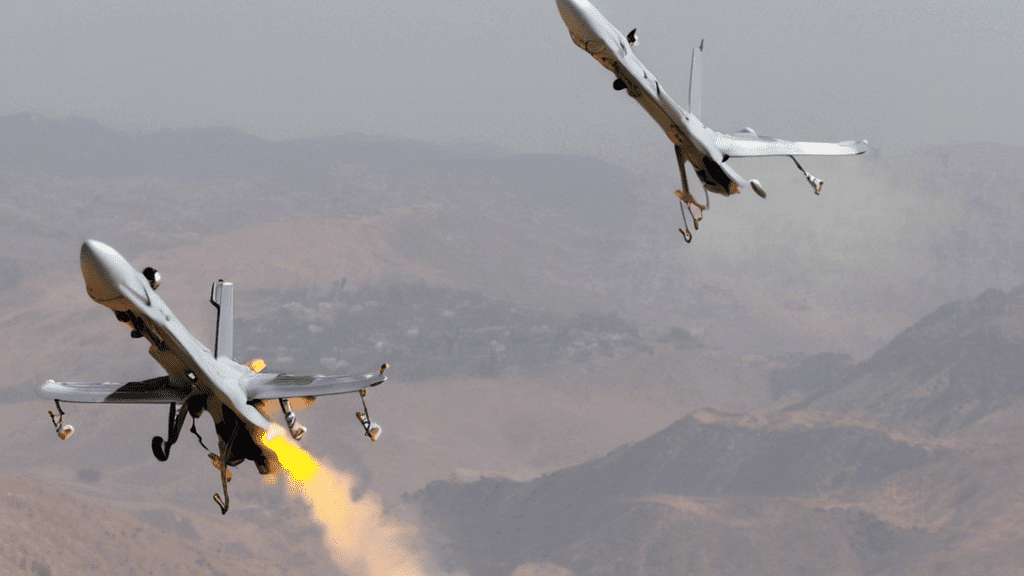
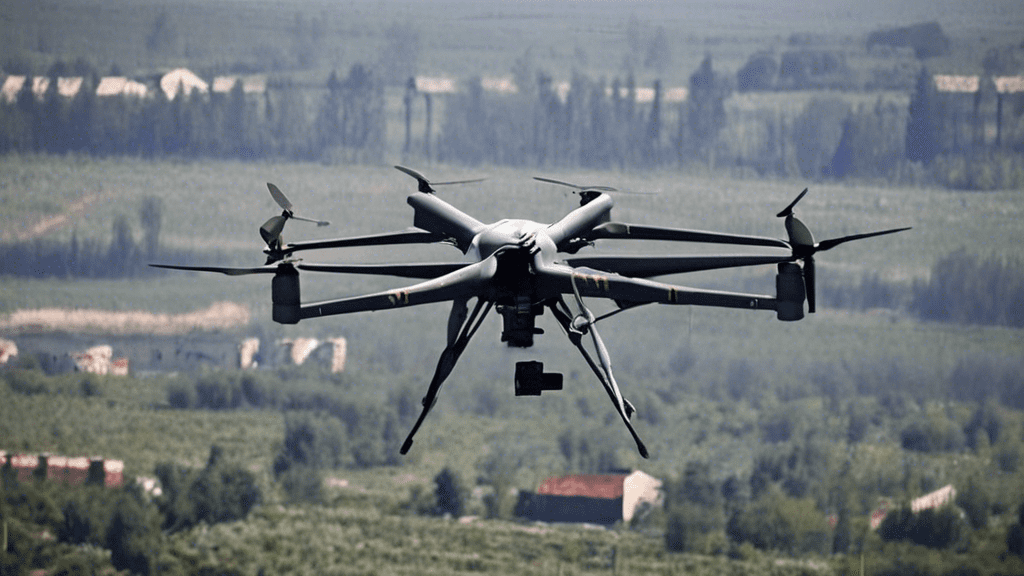
The landscape of warfare is rapidly changing, and nowhere is that more evident than in the recent events between Russia and Ukraine. On November 26, 2024, things escalated dramatically when Russia unleashed an astounding 188 Shahed drones and four Iskander-M ballistic missiles in what is now the largest drone attack since the conflict began. This unprecedented strike was not just a one-off incident; it marked a ruthless approach where multiple launch sites across Russia like Orel, Bryansk, Kursk, and Primorsko-Akhtarsk were used to maximize impact.

When faced with such a significant threat, Ukraine demonstrated resilience and tactical ingenuity. Ukraine’s air defense systems swung into action and successfully shot down 76 of these attacking drones across 17 different regions. Despite being able to intercept a large portion of the incoming threat, the attack left a mark – literally, as debris from the downed drones caused damage to various structures in Kyiv, injuring two civilians.

Countermeasures and Strategic Developments

What’s noteworthy is not just the sheer scale of the attack but Ukraine’s response. Beyond the conventional means of intercepting drones, Ukrainian forces implemented advanced electronic warfare strategies that resulted in 95 drones being diverted. This clever tactic involved manipulating the satellite coordinates of the drones, leveraging technology to turn the tide on the attackers. In some instances, these redirected drones ended up flying back into Russian and Belarusian territories, showcasing just how effective these electronic countermeasures can be.

The counterattack had a broader regional impact, affecting areas such as Chernihiv, Sumy, Kharkiv, and Poltava, among others. It’s a testament to the chaos these drone operations can create, extending the conflict’s shadow far beyond the immediate battlegrounds. However, even with these successful interceptions, some drones managed to bypass defenses and headed towards Belarus, Russia, or temporarily occupied territories, indicating that the threat of drone warfare remains ever-present.

In the context of global geopolitics, the spike in drone attacks coincides with heightened international tensions. Russia’s testing of an experimental hypersonic missile, the Oreshnik, adds a layer of complexity to the situation. Meanwhile, Ukraine’s utilization of long-range missiles supplied by the US to strike back exemplifies the evolving dynamics of military alliances and strategies on the world stage. The interplay between these advanced technologies and tactics emphasizes a new era where electronic warfare and drone capabilities are pivotal.

Ultimately, Ukraine’s ability to utilize electronic warfare to disrupt enemy operations reveals its adaptability in this ongoing conflict. The blend of technology and military strategy is pushing the boundaries and setting new norms in warfare, demonstrating just how critical it will be for nations to evolve their defense practices in line with these advancements. This recent engagement might just be a glimpse into the future of modern warfare, where agility and technological prowess become paramount.

Escalating Tensions: Ukraine Faces Unprecedented Drone Assault Amidst Intensifying Conflict with Russia

Escalating Tensions: Ukraine Faces Unprecedented Drone Assault Amidst Intensifying Conflict with Russia

The recent drone attacks in Ukraine have taken the tension between Russia and Ukraine to a whole new level. With a record-setting launch of 188 drones in a single night, this assault underscores the escalating conflict that has been brewing for quite some time. The use of Iranian-designed Shahed strike drones in this operation has raised eyebrows and added a layer of complexity to the ongoing war. Let’s dive into the details of this alarming development.

Wide-ranging Assault

In an unprecedented move, the drones targeted a whopping 17 regions throughout Ukraine. This isn’t just localized fighting anymore; it’s a widespread assault affecting various parts of the country. The implications of such broad targeting are significant, potentially leading to increased chaos and fear among the civilian population. It highlights not just a military strategy but also an attempt to unsettle the Ukrainian government and its response capabilities.

The Ukrainian air force, thankfully, stepped up during this harrowing night, managing to shoot down 76 of the intruding drones. Moreover, electronic jamming systems played a critical role, with reports indicating that an additional 95 drones either went off the radar or were neutralized through electronic warfare. Still, the sheer number of drones launched is concerning and speaks volumes about Russia’s aggressive posture.

Damage and Casualties

Despite defensive efforts, the damage was considerable. Reports indicate destruction across various infrastructures, including apartment buildings and elements of the national power grid. One significant impact was felt in Ternopil, where power outages affected large areas. These attacks not only damage physical structures but also sap the morale of the nation’s citizens.

Elon Musk Advocates for Drones Over Manned Fighter Jets in Future Air Combat

Elon Musk Advocates for Drones Over Manned Fighter Jets in Future Air Combat

Elon Musk has recently stirred the pot with his comments about the future of air combat, suggesting it’s time to phase out manned fighter jets in favor of drones. The tech mogul, known for his bold ideas at SpaceX and Tesla, believes that flying pilots around in outdated fighter jets is a dangerous endeavor, especially when drones are becoming more capable and efficient. After all, why put human lives at risk when you have technology that can do the job just as well, if not better?

Critiquing the F-35

Musk didn’t hold back when discussing the F-35, a fighter jet produced by Lockheed Martin. He derisively characterized it as an expensive and complex jack of all trades, master of none. With lofty operating costs and technical challenges, particularly its advanced software, the F-35 has drawn criticism from many corners, and Musk is just adding fuel to the fire. According to him, the design has inherent flaws because it was required to meet too many conflicting needs, making it an overly complicated aircraft.

While the F-35 has reportedly been embraced by several countries, including Germany and Poland, Musk’s criticisms hint at deeper issues with its implementation and cost-effectiveness. The reality is, this jet isn’t just pricey when it comes to manufacturing; the operational costs pile up due to its demanding technology and software systems. And as we look at defense spending, Musk’s call for drones might open a can of worms regarding how resources are allocated in the military.

The Future of Air Combat

Musk isn’t just talking the talk; he provided a glimpse of the potential future by sharing a video of hundreds of drones hovering in formation. This was his way of illustrating the capabilities and possibilities of drone technology in air combat scenarios. With visionaries like Musk pushing for change, the military landscape could be on the brink of monumental shifts. It begs the question: will traditional manned aircraft soon be a relic of the past?

However, it’s not just about the technology—there’s also a political element to consider. Musk’s comments may lead to a potential rift with President-Elect Donald Trump, who has strongly backed the F-35 program. As Musk takes on advisory roles to combat government inefficiency, the implications for defense spending and acquisition strategies could change dramatically, especially if unmanned systems take precedence over their traditional counterparts.

In a world where technology is evolving at breakneck speed, Musk’s advocacy for drones seems to reflect a broader shift in thinking about modern warfare. As nations continue to develop advanced aircraft and countermeasures, it’s clear that the landscape of air combat could soon look very different. Will we ultimately see drones flying autonomously in the skies while manned jets fade into oblivion? Only time will tell!

UAE Set to Lift Drone Ban: A Phased Approach Towards Safer Operations

UAE Set to Lift Drone Ban: A Phased Approach Towards Safer Operations

Starting November 25, 2024, the United Arab Emirates (UAE) is set to embark on a new journey by partially lifting the ban on drone operations. This decision marks a significant shift in how drones can be used throughout the region. Let’s dig deeper into this phased approach and what’s in store for drone operators in the UAE!

Phased Lifting of the Ban

The lifting of the ban is going to happen in stages. Initially, the first phase will focus on government agencies and companies that are looking to conduct commercial drone operations. This is a strategic move to ensure that the most crucial sectors can utilize drone technology effectively and safely. While amateur operators will have to wait a bit longer, the plan is to eventually include them in forthcoming phases. So don’t worry; there’s a light at the end of the tunnel for recreational drone flyers!

What’s really cool about this rollout is the development of a unified platform for all drone operations. This means that companies and government entities can easily navigate the registration and operational procedures via the UAE Drones app or their dedicated website. Convenience is key, right? This platform aims to make the whole process as smooth as possible while also focusing on the safety and security of airspace.

Safety First and Future Prospects

Another cornerstone of this new initiative is its strong emphasis on safety. The UAE is putting airspace safety and the protection of society and property at the forefront of drone operations. The new platform will elevate safety standards across the board. Thanks to collaborative efforts from the National Emergency, Crisis and Disaster Management Authority (NCEMA) and the General Civil Aviation Authority (GCAA), the phased lifting is built on a solid foundation of security protocols.

It’s important to note that the initial ban on drone operations was implemented back in January 2022. This came after several instances of drone misuse, including unfortunate events like Houthi drone attacks on Abu Dhabi. So, you can see why there’s a keen focus on making sure those incidents don’t repeat themselves. Operators wanting to take to the skies will need to register through the UAE Drones smart application, showing that they’re compliant with all safety standards before acquiring those precious operating licenses.

Looking ahead, future phases are already in the works. After assessing how the first phase pans out, plans are to include individual users for recreational purposes. Plus, there will be announcements for additional services aimed at amateur drone operators. This gradual build-up could really offer enhanced opportunities for everyone involved in the drone scene in the UAE.

Last but not least, this decision isn’t just about lifting the ban; it’s set to have a profound impact on the UAE aviation sector. By embracing technology and innovation in the drone space, the UAE can expect to see a boost in business opportunities while simultaneously reinforcing safety measures. And remember, in the spirit of keeping things safe, any drone-related incidents that cause harm must be reported through the incident report section of the platform. With these developments, the future of drones in the UAE is definitely looking bright!

Escalating Drone Threats: Israel’s Ongoing Struggle for Security Amid Regional Tensions

Escalating Drone Threats: Israel's Ongoing Struggle for Security Amid Regional Tensions

The recent escalation of drone incidents off the coast of Israel has put a spotlight on the tense dynamics between Israel and its neighbors, particularly Lebanon. On Saturday night, the Israel Air Force (IAF) intercepted a rogue drone that was launched from Lebanese territory, marking yet another chapter in the ongoing conflict in the region. This incident illustrates the persistent security challenges that Israel faces from various militant groups, reflecting an environment where aerial threats are becoming increasingly common.

Ongoing Tensions and Military Responses

The drone interception was not an isolated event; it fits into a troubling pattern of aggression that has seen multiple drones being intercepted over the Western Galilee region. The Israel Defense Forces (IDF) are actively engaged in operations targeting not only Hamas in Gaza but also they’ve extended their focus to Hezbollah positions in southern Lebanon. This includes recent airstrikes on command centers and other significant infrastructure in Dahiyeh, a known Hezbollah stronghold in Beirut. As tensions rise, these military actions underscore Israel’s commitment to neutralizing threats before they escalate into broader conflicts.

The incident is further complicated by the ongoing hostage crisis, with 101 individuals being held in Gaza, including several Americans. Families of the hostages are actively seeking dialogue with the incoming Trump administration, hoping for renewed efforts to secure their loved ones’ release. This humanitarian aspect only adds layers of complexity to a volatile military situation, as the IDF grapples with both military and diplomatic challenges.

International Perspectives and Future Implications

While the immediate focus is rightly on the Israeli-Lebanese theater, there are broader implications to consider regarding drone technology and its use in conflicts around the world. Recent reports of unidentified drones spotted near strategic military assets in Europe and the US point to a growing trend of drone utilization that transcends borders and conflicts. This underscores a need for international discourse on drone regulation and security protocols as nations face new threats of aerial surveillance and attacks.

Within Israel, the situation remains precarious, with security alerts echoing across northern regions like Bar’am, Rosh HaNikra, and Metzuva. Sirens have become common as the populace remains on edge due to the potential for further drone activity and other militant threats. The IDF’s recent dismantling of an Iranian-made cannon aimed at Israel highlights a proactive approach to ensuring national security amidst these continuous threats.

The ongoing drone incidents represent not just localized confrontations but also contribute to a complex narrative of regional stability and international security. As Israel maneuvers through these threats, the interplay of military readiness, diplomatic negotiations, and international awareness will likely shape the future landscape of security in the region. Whether through military action or diplomatic engagement, the goal remains clear: to secure peace and safety for all impacted populations.

North Korea Escalates Military Capabilities with Mass Production of Suicide Drones

North Korea Escalates Military Capabilities with Mass Production of Suicide Drones

North Korea’s Push for Suicide Drones

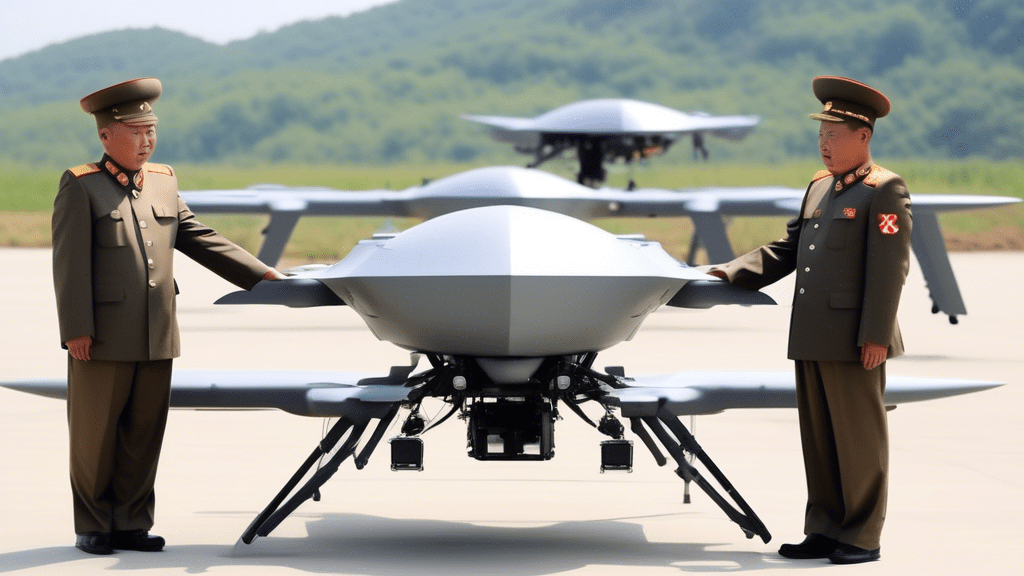
North Korea is making headlines again, and this time it’s not just about missile launches or nuclear talks. Kim Jong Un has thrown his weight behind the mass production of suicide drones, marking a significant shift in the nation’s military strategy. After successful tests of these unmanned aerial vehicles (UAVs), the leader believes it’s high time to become a player in the modern military landscape where drone warfare is becoming increasingly prevalent.

Military Evolution and Development

During recent military briefings, Kim emphasized the importance of updating North Korea’s military strategies to accommodate the new technology which is being widely adopted globally. He highlighted that suicide drones are not just a novelty but crucial tools in modern warfare. After overseeing tests that revealed impressive accuracy against both land and sea targets, it seems Kim is determined to incorporate these drones as lateral weapons in his arsenal.

But what does this mean for North Korea’s military capabilities? Well, Kim has instructed the defense industry to ramp up production faster than ever. He’s calling for a rapid establishment of a serial production system, which means we could see these drones rolling out in large numbers sooner than we think. Alongside the suicide drones, there’s also a call for developing reconnaissance and even underwater drones, showing a broadening scope in North Korea’s tech ambitions.

The Bigger Picture

The push for drone technology is set against a backdrop of increased military cooperation between North Korea and Russia. As tensions rise Ukraine, North Korean forces are reportedly receiving training on drone warfare from Russian military personnel. Moreover, there have been whispers that North Korean troops are helping out Russian forces in their ongoing conflict, which raises eyebrows about the longstanding alliance’s future.

Another layer to this development is the mutual defense treaty recently ratified between North Korea and Russia. This means that both nations have agreed to come to each other’s aid if one of them is attacked. In a world where alliances are constantly being tested, this treaty could lead to more serious implications down the line.

Experts and analysts alike are keeping a watchful eye on the situation, mainly due to the concerns surrounding the potential export of these drone technologies. With drone warfare already being utilized in places like Ukraine, there’s a fear that North Korea could sell these new suicide drones to Russia, further complicating the already tense geopolitical landscape. Additionally, the possibility of these drones being used for terrorist activities, especially near the South Korean border, is a significant concern, indicating that the implications of this move could be far-reaching.

Kim Jong Un Showcases Military Power and Accuses U.S. of Hostility at Pyongyang Defense Expo

Kim Jong Un Showcases Military Power and Accuses U.S. of Hostility at Pyongyang Defense Expo

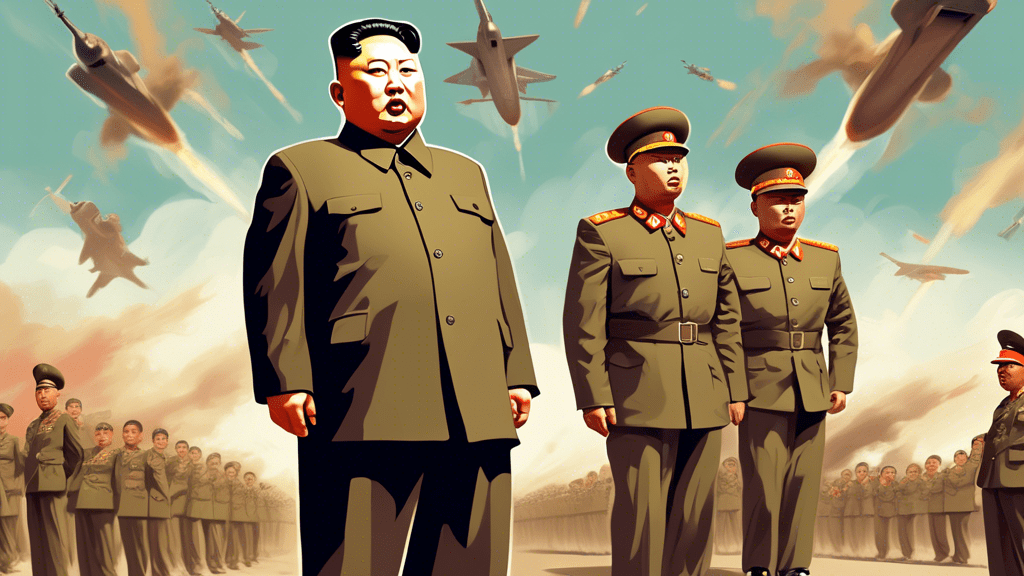
Recently, North Korean leader Kim Jong Un made headlines during a defense expo held in Pyongyang, where he proudly showcased the latest military technologies of his country. This event was not just a flashing display of firepower; it also served as a platform for Kim to air his grievances regarding the past dealings with the United States.

Kim’s Position on U.S. Relations

In a strong statement, Kim Jong Un claimed that previous negotiations with the U.S. have proven nothing except for Washington’s “unchangeable” hostility towards North Korea. This sentiment of distrust seems to be at the forefront of Kim’s military strategy, suggesting an unwavering commitment to bolster North Korea’s defense capabilities. His remarks reflect a broader narrative that positions North Korea as a nation under threat, needing to assert its military strength as a countermeasure.

The expo exhibited a variety of advanced military technologies, featuring some of the nation’s most powerful weapons. Intercontinental ballistic missiles (ICBMs) capable of targeting the U.S. mainland were highlighted, showcasing North Korea’s aggressive advancements in military might. Additionally, Kim unveiled new suicide attack drones and articulated plans for a “limitless” expansion of the nation’s nuclear program, reaffirming his commitment to enhance military capabilities in the face of perceived threats.

Military Alliances and International Dynamics

Kim’s rhetoric extended to accusations against the U.S. for increasing military pressure in the region by strengthening ties with allies and deploying strategic military assets like submarines and long-range bombers. This narrative plays into North Korea’s focus on deterrence through military power, as Kim called for the development of the “strongest defense power that can overwhelm the enemy.”

Furthermore, the relationship between North Korea and Russia has been growing stronger, with North Korea providing military support to Moscow. This alliance has included the transfer of troops and significant military equipment to assist in Russia’s ongoing conflicts, particularly in Ukraine. In exchange for this support, North Korea stands to gain economic assistance and technological advancements, potentially enhancing its own military capabilities further.

However, these arms transfers have raised alarms internationally, as they violate U.N. Security Council resolutions and are seen as undermining global security norms. The deepening cooperation between North Korea and Russia complicates the existing diplomatic landscape, particularly for the U.S., which now faces additional hurdles in resuming talk with North Korea. This situation persists amid a backdrop of shifting political dynamics, including the possibility of Donald Trump’s return to the White House.

In conclusion, the defense expo was more than just an exhibition of might; it was a declaration of intent from Kim Jong Un regarding North Korea’s position in global politics. By showcasing enhanced military technologies and emphasizing military alliances, Kim is not only asserting his nation’s strengths but is also setting the stage for future geopolitical confrontations. With the ongoing tensions and the potential for further advancements in North Korea’s nuclear capabilities, the road to diplomacy remains fraught with challenges.

Unusual Drone Sightings in Morris County Spark Concerns and Investigations

Unusual Drone Sightings in Morris County Spark Concerns and Investigations

Morris County, New Jersey, has recently become the center of attention due to a series of unusual drone sightings. Reports indicate that residents spotted drones buzzing over the area on Monday night, November 20, 2024. With concerns ranging from safety to legality, it’s essential to break down what we know so far about this curious incident.

Details of the Drone Sightings

The sightings occurred over several towns in Morris County, including Madison, Mendham, and Morristown. Witnesses described the drones as particularly large and loud, raising questions about their nature. Unlike typical consumer drones, these flying objects were noted to be airborne for over an hour, leading to various theories about their purpose. Some reports mention as few as five drones in the sky, while others suggest there could be as many as twelve. Whatever the true number may be, the unusual behavior has sparked intrigue and concern among residents.

Local authorities are taking the matter seriously. The Morris County Prosecutor’s Office, along with local law enforcement and the county sheriff’s office, are all involved in investigating these sightings. They’re keeping a close watch while collaborating with state and federal law enforcement agencies. So, if you’re thinking about how serious this might be, rest assured that the situation is being addressed by the necessary parties.

Safety and Social Media Concerns

While the nature of these sightings is indeed odd, officials have been quick to reassure the public that there is currently no known threat to safety. That said, authorities are urging residents to remain vigilant and report any suspicious activity. As the investigation unfolds, they are actively monitoring developments and encouraging anyone with more information to reach out to their local police department.

A warning has also been issued regarding the spread of information on social media. In times like these, rumors can flourish, so it’s crucial to verify facts before jumping to conclusions. Not all online chatter is credible, and officials stress that residents should rely on verified sources for updates. This emphasizes the importance of staying informed while avoiding the pitfalls of misinformation.

Lastly, if you happen to spot any unusual flying objects in the sky that you suspect could be related to these incidents, do not dial 911 unless it’s an emergency. Instead, contact your local police department to report it. Authorities also noted that legal considerations around drone usage are quite stringent. It’s a good reminder for everyone to be aware of local and federal regulations regarding drones, so if you’re tempted to use one for fun, make sure you’re following the rules.

In conclusion, while the drone sightings over Morris County may seem mysterious or alarming at first, local authorities are on top of the situation, ensuring public safety and legality. Residents and onlookers should stay alert and report any information but also take caution in discerning facts from fiction as this story continues to develop.

China’s Jetank Drone: A Game-Changer in Military Aviation and Global Drone Technology

China's Jetank Drone: A Game-Changer in Military Aviation and Global Drone Technology


The recent unveiling of China’s advanced drone, the Jetank, at the Zhuhai Air Show 2024 has made quite a splash in the world of drone technology. It’s fascinating to see how quickly China has progressed in this area, and this event seems to mark a significant milestone for the country’s military aviation advancements.

Specifications and Features of the Jetank

The Jetank comes with intriguing specifications that might make you do a double-take. With a maximum takeoff weight of 16 tons and a payload capacity of 6 tons, this drone is comparable in size and weight to light fighter aircraft, notably the Lockheed Martin F-16. This hefty drone is not just for show; it boasts a wingspan of 25 meters, giving it a formidable presence in the sky.

One of the most impressive features of the Jetank is its impressive array of weaponry. It has eight hardpoints, allowing it to carry missiles, bombs, and even smaller drones. Moreover, it’s equipped with laser-guided bombs and anti-ship missiles. The added capability of being a swarm carrier, housing dozens of smaller drones for specialized missions, makes the Jetank a truly versatile asset.

Advanced Technology and Global Implications

Diving deeper into its tech, the Jetank is engineered with cutting-edge sensors and AI. It has a radar system and an electro-optical pod that enhances its reconnaissance and communication skills while participating in electronic warfare. This is a game-changer, showcasing how drones are evolving from mere flying objects to smart systems capable of functioning autonomously.

Another feature worth noting is its jet engine, which sets it apart from most drones that rely on propellers. This jet engine allows for greater thrust and better overall performance, reinforcing the perception that the Jetank is not just another drone but a formidable aerial platform. Additionally, its ability to connect with satellites offers enhanced remote-control capabilities, ensuring battlefield situational awareness.

China’s advancements in drone technology, particularly with the Jetank, signal a shift in the balance of military power. The introduction of this drone, along with others in China’s CH drone family, underscores the country’s growing dominance in the global drone market. However, this development has raised eyebrows internationally, especially in the U.S., prompting stronger initiatives like the Pentagon’s Replicator 2 project aimed at countering drone threats.

As countries around the world respond to these advancements, the implications are vast. The Jetank’s unveiling is not just about a new product; it symbolizes a broader trend towards intelligence integration, enhanced military capability, and the need for nations to reassess and strengthen their defense technologies. The future of warfare may be heavily influenced by drones like the Jetank, and it’s a conversation that’s just getting started!


Escalating Tensions: Hezbollah’s Drone Warfare and Iranian Influence in the Region

Escalating Tensions: Hezbollah's Drone Warfare and Iranian Influence in the Region

Hezbollah’s Increasing Aggression

In recent times, drone attacks have become a prominent feature of the ongoing tension between Hezbollah and Israel. Hezbollah, a key player in the region, has stepped up its game by launching explosive-laden drones towards military targets in Tel Aviv. This aggressive move not only resulted in injuries but also intensified the already high stakes in an area that seems to be on the brink of more conflict. The strikes are reflective of the widened scope of hostilities in the region and serve as a constant reminder that tensions can escalate at a moment’s notice.

The frequency and scale of these attacks are alarming. Reports have indicated that Hezbollah has conducted at least 24 drone attacks since the onset of the latest escalation, systematically targeting Israeli military infrastructure along the Lebanon-Israel border. This uptick in violence shows a clear pattern; Hezbollah appears determined to assert its military capabilities and retaliate against what it perceives as threats from Israel. Each attack adds to the cycle of retaliation, making it a challenging situation for both sides involved.

The Iranian Influence and Regional Fallout

The situation is further complicated by the involvement of Iranian-backed militias, particularly those from Iraq. The Islamic Resistance in Iraq has claimed responsibility for multiple drone strikes aimed at Israel, extending the conflict beyond just Hezbollah. Notably, these militias have launched over 55 attacks since late October, targeting key areas including northern Israel. This connection underscores Iran’s growing influence in the region, as it actively supports and coordinates with various militant groups to challenge Israeli interests.

Israel has not remained silent in the face of this aggression. The Israeli Defense Forces (IDF) have responded with air strikes on numerous Hezbollah targets across Lebanon, ranging from weapons depots to military infrastructure. These actions indicate a significant escalation, as Israel takes eye-for-eye measures to ensure its security. Moreover, the IDF’s success in intercepting approximately 90% of the drones launched since October 31 is a testament to their military readiness. However, this does not negate the ongoing threat that these drone attacks pose.

A critical aspect of this conflict is the apparent collaboration between various Iranian-backed forces, who seem to be gearing up for coordinated attacks against Israel. Reports suggest that the Iranian Revolutionary Guard Corps (IRGC) is actively supplying these militiamen with advanced arms, including ballistic missiles and drones, which raises alarm bells among both Israeli and American officials. As these groups strategize new methods to target Israeli interests, the potential for wider regional conflicts increases.

Additionally, the escalating tensions have international implications, especially for U.S. interests in the Middle East. The Iranian-backed group, Harakat Hezbollah al Nujaba, has openly threatened to strike U.S. bases in Iraq and Syria in retaliation for perceived Israeli aggression. This cycle of threats and military actions creates a dangerous environment, where miscalculations could lead to even greater conflicts. With high-stakes diplomacy intertwined with military strategy, finding a resolution in this complex web of alliances and enmities remains a formidable challenge.