Stopping Drone Surveillance Over Your Property

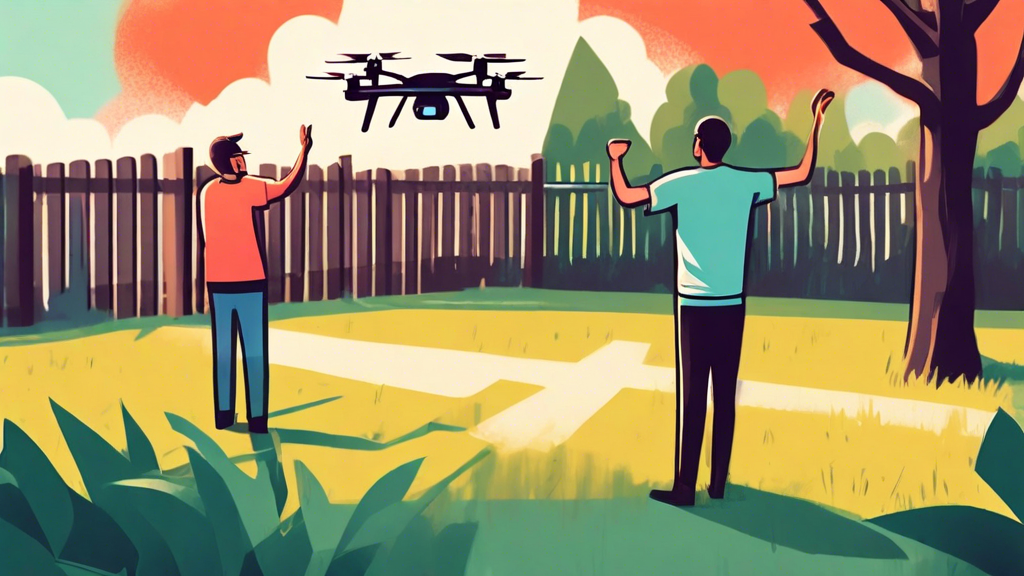
A person waves their fist angrily at a drone hovering over their backyard, which is surrounded by a tall privacy fence

Understanding the Drone Threat

Drones have become increasingly popular in recent years, offering a unique perspective for photography, videography, and even delivery services. However, this rise in drone usage has also led to growing concerns about privacy and security. The possibility of drones being used for surveillance, whether by nosy neighbors, paparazzi, or even criminals, is a legitimate worry for many homeowners.

Identifying Drone Surveillance

Detecting drone surveillance can be tricky, as drones come in various sizes and can operate at different altitudes. However, some telltale signs may indicate a drone is spying on your property:

  • Unusual buzzing or whirring noises.
  • A drone hovering or repeatedly flying over your property.
  • Lights flashing or blinking from the drone at night.

If you suspect a drone is surveilling you, it’s important to gather evidence, such as photos or videos, to support your claim.

Legal Protections Against Drone Surveillance

The legality of drone surveillance is a complex issue, with regulations varying by country, state, and even local municipalities. Generally, laws protect individuals from unreasonable intrusions of privacy. However, the specifics of what constitutes unreasonable can be ambiguous.

Here are some potential legal avenues you can explore:

  • **Federal Aviation Administration (FAA) Regulations:** The FAA has established rules for drone operation, including restrictions on flying over private property without consent. You can report potential violations to the FAA.
  • **State and Local Laws:** Many states and local jurisdictions have enacted or are considering laws specifically addressing drone privacy. Research your local laws to understand your rights and options.
  • **Civil Lawsuits:** If you believe a drone operator has violated your privacy, you may be able to file a civil lawsuit for damages.

Practical Steps to Deter Drone Surveillance

While legal options exist, they can be time-consuming and complex. Here are some practical steps you can take to deter drone surveillance over your property:

  • **Privacy Landscaping:** Plant tall trees or install privacy fences to create physical barriers that obstruct the drone’s view.
  • **Drone Detection Systems:** Consider investing in drone detection technology, which can alert you to the presence of drones in your vicinity.
  • **Anti-Drone Technology:** Explore anti-drone solutions, such as signal jammers or drone capture systems. However, be aware that using such technologies may have legal restrictions.
  • **Talk to Your Neighbors:** If you suspect a neighbor is operating the drone, try having a polite conversation about your concerns. They may be unaware of the intrusion they are causing.
  • **Post No Drone Zone Signs:** While not legally enforceable, visible signs can deter casual drone operators from flying over your property.

The Future of Drone Privacy

As drone technology continues to evolve, so too will the challenges and solutions surrounding drone privacy. It’s crucial to stay informed about the latest regulations and technological advancements to protect your privacy effectively. Advocating for stronger drone privacy laws and supporting responsible drone usage can contribute to a future where we can enjoy the benefits of drones without compromising our right to privacy.

How Fast Can Drones Fly

## DALL-E Prompt:nnA lone astronaut, tethered to a spacecraft, floats amidst a sea of stars, gazing at the vast expanse of a swirling nebula.

Factors Influencing Drone Speed

Several factors influence how fast a drone can fly. Understanding these elements can help you choose the right drone for your needs and optimize its performance.

1. Drone Type and Design

Different drone types are built for various purposes, impacting their speed capabilities. Racing drones, designed for agility and speed, are typically the fastest, reaching speeds of over 100 mph. Photography and videography drones prioritize stability and image quality, resulting in moderate speeds, generally between 40-70 mph. Commercial drones used for deliveries or inspections may prioritize payload capacity and flight time over speed.

2. Motor Power and Efficiency

The power and efficiency of a drone’s motors significantly impact its speed. More powerful motors generate greater thrust, enabling faster acceleration and higher top speeds. Brushless motors, known for their efficiency and power, are commonly found in high-speed drones.

3. Battery Capacity and Discharge Rate

Battery capacity determines the drone’s flight time, indirectly influencing its speed capabilities. High-capacity batteries with a high discharge rate provide the necessary power for sustained high-speed flight. However, larger batteries can also add weight, potentially impacting maneuverability and speed.

4. Aerodynamics and Weight

Aerodynamic design plays a crucial role in reducing drag and improving speed. Drones with sleek, streamlined bodies experience less air resistance, allowing for faster flight. Weight is another critical factor; lighter drones require less power to propel, leading to faster speeds.

5. Wind Conditions and Weather

External factors such as wind speed and direction significantly impact drone speed. Headwinds can slow down a drone, while tailwinds can provide a boost. Adverse weather conditions like rain or snow can increase air density and drag, reducing speed and maneuverability.

Average Drone Speeds for Different Types

Here’s a general overview of average speeds for various drone types:

1. Racing Drones

Racing drones are built for speed and can reach astonishing velocities exceeding 100 mph (160 km/h). Their lightweight design, powerful motors, and aerodynamic frames allow them to navigate complex racecourses with agility and precision.

2. Photography and Videography Drones

Photography and videography drones typically fly at speeds between 40-70 mph (64-112 km/h). While not as fast as racing drones, they offer a balance between speed, stability, and image quality, making them ideal for capturing stunning aerial footage.

3. Commercial and Industrial Drones

Commercial and industrial drones used for deliveries, inspections, or agricultural purposes prioritize payload capacity and flight time. Their speeds vary depending on the specific model and task, generally ranging from 20-50 mph (32-80 km/h).

Tips to Increase Drone Speed

If you’re looking to enhance your drone’s speed, consider these tips:

1. Upgrade Motors and Propellers

Investing in more powerful motors and aerodynamically efficient propellers can significantly boost your drone’s speed and acceleration.

2. Reduce Weight

Remove any unnecessary accessories or components that add weight to your drone. Every gram counts when it comes to maximizing speed.

3. Optimize Battery Performance

Use high-quality batteries with a high discharge rate to ensure your drone receives sufficient power for high-speed flight. Keep your batteries in good condition and avoid extreme temperatures.

4. Fly in Favorable Conditions

Choose calm days with minimal wind for optimal speed performance. Avoid flying in adverse weather conditions that can hinder speed and stability.


Spotting Drones at Night

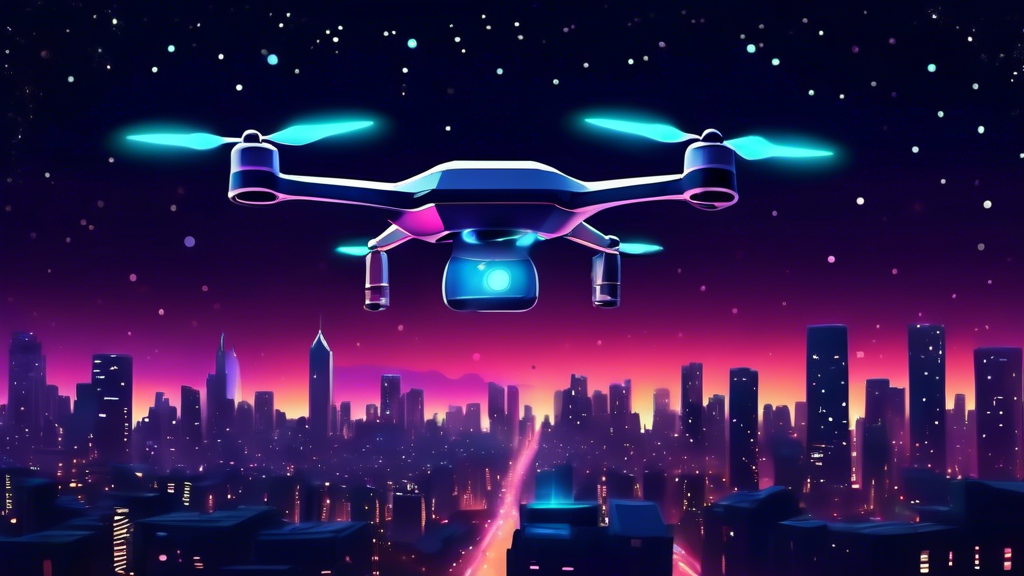
A lone futuristic drone with glowing lights flying through a dark, starry night sky over a city skyline

Understanding Drone Lights and Visibility

Drones, also known as unmanned aerial vehicles (UAVs), have become increasingly popular for both recreational and commercial purposes. While they are easily recognizable during the day, spotting drones at night can be a challenge. Understanding how drones look and behave at night is crucial for identification and safety reasons.

Most drones are equipped with LED navigation lights to enhance visibility, especially during low-light conditions. These lights typically come in various colors, including:

  • Red: Often indicates the rear of the drone.
  • Green: Usually marks the right side of the drone.
  • White: Commonly found on the front or top of the drone.

The configuration and color of these lights can vary depending on the drone model and manufacturer. Additionally, some drones may have additional lighting features, such as flashing or strobing lights, for enhanced visibility or specific functionalities.

Factors Influencing Drone Visibility at Night

Several factors can affect how easily a drone can be spotted at night:

  • Ambient Light Conditions: In areas with significant light pollution, drone lights may be less noticeable. Conversely, in dark rural environments, even faint drone lights can stand out.
  • Drone Size and Altitude: Larger drones with more powerful lights are generally easier to see than smaller ones. Similarly, drones flying at higher altitudes may appear as distant, twinkling lights.
  • Weather Conditions: Fog, mist, or precipitation can significantly reduce visibility, making it harder to spot drones at night.
  • Observer’s Position and Visual Acuity: The observer’s location and eyesight play a role in drone detection. A person with good vision standing on higher ground will likely spot a drone more easily than someone with poor vision at ground level.

Distinguishing Drones from Other Objects

At night, several objects in the sky can be mistaken for drones, such as:

  • Aircraft: Airplanes and helicopters typically have distinct lighting patterns and often appear larger and brighter than drones.
  • Stars and Planets: Celestial objects usually maintain a fixed position in the sky, while drones exhibit movement.
  • Satellites: Satellites can appear as slow-moving, bright dots of light, but they generally follow a predictable path.

To differentiate drones from these objects, it’s important to observe the object’s movement patterns, light characteristics, and size. Drones often exhibit hovering or erratic movements, have distinct blinking or colored lights, and appear relatively small compared to aircraft.

Tips for Spotting Drones at Night

Here are some helpful tips for identifying drones in the night sky:

  • Look for Moving Lights: Pay attention to lights that are moving independently of stars, planets, or aircraft.
  • Observe Light Patterns: Note the color, blinking patterns, and intensity of the lights, as these can provide clues about the type of drone.
  • Listen for Sounds: Drones often emit a buzzing or whirring sound, which can help pinpoint their location.
  • Use Binoculars or a Telescope: Optical aids can enhance visibility and provide a closer look at the object in question.
  • Consider the Context: Think about the location and the likelihood of drone activity in that area.

Safety and Privacy Concerns

While drone technology offers numerous benefits, it also raises safety and privacy concerns, especially at night. Drones flown recklessly or without proper lighting can pose a risk to manned aircraft and people on the ground. Additionally, drones equipped with cameras can potentially invade privacy if not operated responsibly.

It’s essential for drone operators to adhere to local regulations and fly their drones safely and ethically, particularly during nighttime hours. Individuals who observe suspicious or unsafe drone activity should report it to the appropriate authorities.

Drone Prices

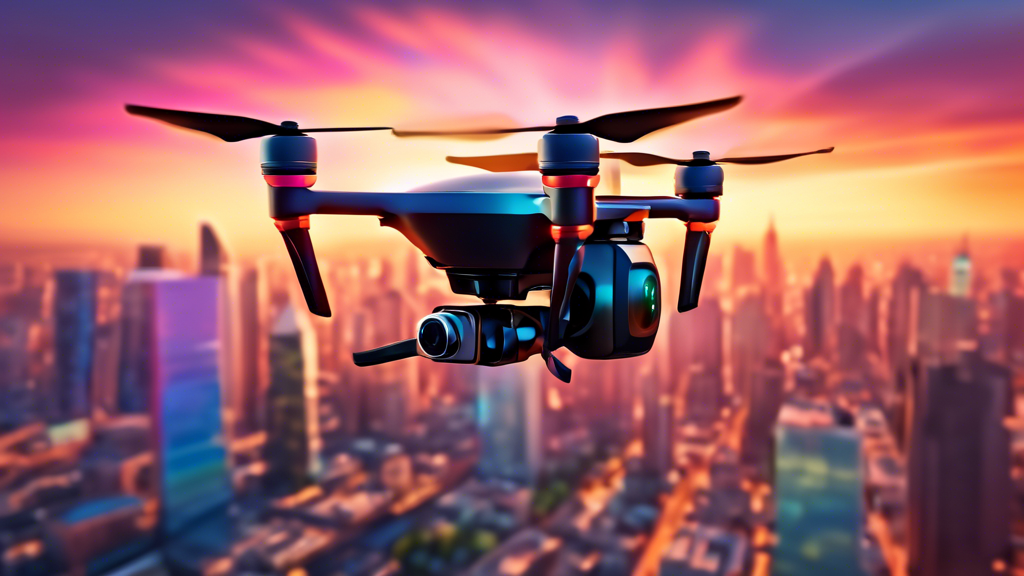
A photorealistic image of a sleek and modern drone hovering in a vibrant city skyline at sunset, with its camera pointed down towards the bustling streets below.

Introduction to Drone Prices

Drones have become increasingly popular in recent years, serving various purposes from aerial photography and videography to surveillance, delivery, and even racing. With such a wide range of applications, it’s no surprise that the drone market offers a diverse selection of models with varying capabilities and price points. Understanding the factors that influence drone prices can help you make an informed decision when choosing the right one for your needs.

Factors Affecting Drone Costs

Several key factors contribute to the overall cost of a drone:

1. Size and Type

Drones come in various sizes, from small, palm-sized models to large, professional-grade platforms. Generally, larger drones with more advanced features tend to be more expensive. Additionally, the type of drone, such as camera drones, racing drones, or industrial drones, can influence the price due to specialized components and capabilities.

2. Camera Quality

For drones equipped with cameras, the image and video quality significantly impact the price. Drones with high-resolution cameras, larger sensors, and advanced features like gimbal stabilization and zoom lenses will come at a premium cost.

3. Flight Time and Range

The battery life of a drone determines its flight time, while the range refers to the distance it can travel from the controller. Drones with longer flight times and extended ranges often require more powerful batteries and advanced communication systems, contributing to a higher price tag.

4. Features and Technology

Modern drones boast a wide array of features that enhance their functionality and ease of use. These features may include obstacle avoidance sensors, GPS navigation, autonomous flight modes, follow-me capabilities, and return-to-home functions. The inclusion of such advanced technologies typically increases the cost of the drone.

5. Brand and Build Quality

Established drone manufacturers with a reputation for quality and reliability often price their products at a premium. Additionally, drones built with high-quality materials and robust construction tend to be more expensive but offer greater durability and longevity.

Price Ranges for Different Drone Categories

To give you a better understanding of drone prices, let’s explore some common categories and their typical price ranges:

1. Toy Drones

Toy drones are small, affordable options ideal for beginners and recreational use. They typically have limited features and flight times but offer a fun introduction to drone flying. Prices for toy drones usually range from $20 to $100.

2. Entry-Level Drones

Entry-level drones provide a step up from toy drones, offering better camera quality, longer flight times, and basic features like altitude hold and headless mode. Prices for entry-level drones generally fall between $100 and $500.

3. Mid-Range Drones

Mid-range drones strike a balance between affordability and performance, featuring improved camera capabilities, longer flight times, and advanced features like GPS navigation and obstacle avoidance. Prices for mid-range drones typically range from $500 to $1,500.

4. Professional Drones

Professional drones are designed for commercial applications and demanding tasks, offering top-of-the-line camera systems, extended flight times, and advanced features like obstacle avoidance, autonomous flight modes, and high payload capacity. Prices for professional drones can range from $1,500 to several thousand dollars.

Tips for Choosing a Drone

When selecting a drone, consider the following tips:

  • **Define your needs and budget:** Determine the primary purpose of the drone and set a realistic budget.
  • **Research different models:** Compare features, specifications, and prices of various drones within your budget.
  • **Read reviews and watch videos:** Gain insights from other users’ experiences to assess the drone’s performance and reliability.
  • **Consider additional costs:** Factor in the cost of accessories, spare batteries, and potential repairs.
  • **Choose a reputable brand:** Opt for drones from established manufacturers with a proven track record.

Drone Range Limits

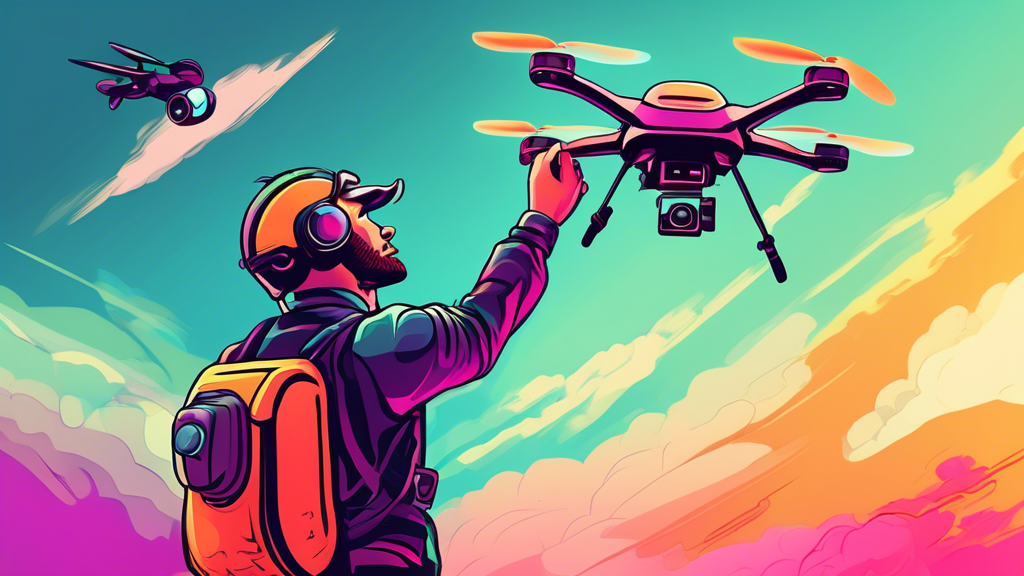
A drone pilot holding a remote control, looking up at a drone flying very far away.

Factors Affecting Drone Range

Several key factors influence how far a drone can fly:

1. Drone Type and Model

Different drone models boast varying capabilities. Consumer drones generally have shorter ranges compared to professional or industrial drones. For instance, entry-level drones might have a range of a few hundred meters, while high-end models can reach several kilometers.

2. Battery Life

Battery life is a critical constraint on drone range. The longer the battery lasts, the further a drone can travel. Factors like battery capacity, drone weight, and flight conditions impact battery life. Opting for drones with larger battery capacities or carrying spare batteries can extend flight times.

3. Signal Strength and Interference

Drones rely on radio signals to communicate with their controllers. Obstacles like buildings, trees, or electromagnetic interference can weaken the signal and limit range. Flying in open areas with minimal interference optimizes signal strength and range.

4. Weather Conditions

Adverse weather conditions like strong winds, rain, or snow can significantly reduce drone range. Wind resistance drains battery faster, while rain and snow can impair drone functionality. It’s crucial to monitor weather forecasts before flying and avoid operating drones in challenging conditions.

5. Regulations and Airspace Restrictions

Aviation authorities impose regulations on drone flights, including altitude and distance limits. In many regions, drones must remain within the operator’s visual line of sight (VLOS). These regulations can restrict how far a drone can fly legally.

Pushing the Limits of Drone Range

Several techniques and technologies can help extend drone range:

1. Range Extenders

Range extenders amplify the communication signal between the drone and controller, effectively increasing the operational range. These devices can be helpful for applications requiring long-distance flights.

2. First-Person View (FPV) Systems

FPV systems allow drone pilots to see a live video feed from the drone’s camera, enabling them to fly beyond visual line of sight (BVLOS) in certain situations. This technology opens up possibilities for longer-range missions.

3. Autonomous Flight Modes

Advanced drones often feature autonomous flight modes, allowing them to follow pre-programmed flight paths or waypoints. This reduces reliance on continuous manual control and can extend range by optimizing flight efficiency.

4. Hybrid Drones

Hybrid drones combine electric power with internal combustion engines, offering extended range and flight times. These drones are suitable for applications requiring longer endurance.

Conclusion

Drone range is influenced by various factors, including drone type, battery life, signal strength, weather, and regulations. Understanding these factors and implementing techniques like range extenders, FPV systems, and autonomous flight modes can help push the limits of drone range. However, it’s crucial to prioritize safety and adhere to local regulations when operating drones.

The Inventors Behind Drone Technology

A portrait of a diverse group of inventors collaborating on a drone design in a futuristic workshop, blueprints and tools scattered around, with a completed drone prototype hovering in the background

Tracing the Roots of Unmanned Flight: Early Innovations

The concept of unmanned aerial vehicles (UAVs), or drones as we commonly know them, predates their modern popularity by over a century. The earliest attempts at creating pilotless flying machines emerged in the mid-19th century, driven by military interests and scientific curiosity.

Austria’s Pioneering Balloon Bombardment

In 1849, Austria launched a unique attack on Venice using unmanned balloons filled with explosives. This event marked one of the first instances of using aerial technology for warfare without a human pilot on board. While rudimentary in design and lacking controlled flight, these balloon bombs laid the groundwork for future UAV development.

Tesla’s Vision of Remote-Controlled Vehicles

The visionary inventor Nikola Tesla envisioned the potential of remote-controlled vehicles in the late 19th century. In 1898, he demonstrated a radio-controlled boat, showcasing the possibility of guiding machines without direct human intervention. Tesla’s work on wireless communication and remote control laid the foundation for future drone technology.

20th Century Advancements: From World Wars to Modern Drones

The 20th century witnessed significant advancements in aviation technology, which directly influenced the development of drones. The two World Wars, in particular, spurred innovation in unmanned flight as countries sought new ways to gain aerial advantage.

World War I: The Kettering Bug and Aerial Torpedoes

During World War I, the development of the Kettering Bug by Charles Kettering marked a significant step toward autonomous aerial vehicles. This pilotless aircraft, intended as an aerial torpedo, utilized a gyroscope for guidance and a preset timer to control its flight path. Though not fully successful in its implementation, the Kettering Bug demonstrated the growing potential of unmanned flight.

Interwar Period: Target Drones for Military Training

The period between the two World Wars saw the development of radio-controlled aircraft used as target drones for military training purposes. These drones provided a realistic training environment for anti-aircraft gunners and fighter pilots, preparing them for combat scenarios.

World War II: Advancements in Radio Control and Jet Propulsion

World War II further accelerated drone technology advancements. Radio control systems became more sophisticated, allowing for greater control and maneuverability of unmanned aircraft. Additionally, the advent of jet propulsion opened up new possibilities for drone speed and performance.

Post-War Era: The Rise of Surveillance and Reconnaissance Drones

Following World War II, the focus of drone development shifted towards reconnaissance and surveillance applications. The Cold War fueled the need for intelligence gathering, and drones provided a valuable tool for observing enemy territory without risking human pilots. The development of real-time video transmission further enhanced the capabilities of surveillance drones.

Modern Drone Era: Technological Advancements and Diverse Applications

The late 20th and early 21st centuries have witnessed an explosion in drone technology, driven by advancements in electronics, materials science, and software. Today, drones are used for a wide range of applications beyond military purposes, including:

Commercial and Civilian Uses:

  • Aerial photography and videography
  • Package delivery
  • Infrastructure inspection
  • Precision agriculture
  • Search and rescue operations
  • Environmental monitoring

Recreational Use:

Drones have also gained immense popularity among hobbyists and enthusiasts, who use them for recreational purposes such as aerial photography, racing, and simply enjoying the experience of flight.

Where To Buy Drones

## DALL-E Prompt:nnA lone astronaut stands on a desolate, rocky planet, gazing at a swirling vortex of vibrant colors in the sky above. His helmet reflects the cosmic spectacle, while his posture conv

Where to Buy Drones: A Comprehensive Guide for Every Budget

The world of drones is vast and exciting, offering options for hobbyists, professionals, and everyone in between. But with so many choices available, finding the right place to buy a drone can feel overwhelming. This guide will navigate you through the best options, whether you’re seeking cutting-edge technology, budget-friendly choices, or specialized retailers.

Top Online Retailers

Online marketplaces have become a go-to destination for drone enthusiasts due to their wide selection and competitive prices. Here are some of the most popular options:

Amazon

As a retail giant, Amazon offers an extensive range of drones from various brands, including DJI, Parrot, and Holy Stone. You’ll find everything from beginner-friendly models to advanced professional drones. Amazon’s convenient search filters, customer reviews, and competitive pricing make it a popular choice for many drone buyers.

Best Buy

Best Buy is another excellent option, particularly for those who prefer to see and experience drones in person before making a purchase. Their stores often have demo models available, and their knowledgeable staff can provide valuable guidance. Best Buy also offers a wide selection of drones online, with convenient shipping and return options.

B&H Photo Video

B&H is a renowned retailer specializing in photography and videography equipment, including drones. They cater to both professionals and enthusiasts, offering a curated selection of high-quality drones from leading brands. B&H’s website provides detailed product information and expert reviews, making it a valuable resource for informed decision-making.

Manufacturer Websites

Buying directly from the drone manufacturer can offer several advantages, including access to the latest models, exclusive deals, and direct customer support. Here are some popular manufacturers with online stores:

DJI

DJI is a leading drone manufacturer known for its innovative technology and high-performance models. Their online store offers a comprehensive selection of drones, along with accessories, spare parts, and support resources. DJI also provides educational content and a community forum for drone enthusiasts.

Parrot

Parrot is another well-established drone manufacturer, offering a range of consumer-friendly drones with unique features. Their online store provides easy access to their latest models, along with accessories and support. Parrot also has a strong focus on drone education and community engagement.

Autel Robotics

Autel Robotics specializes in professional-grade drones for commercial and industrial applications. Their online store offers a range of high-end drones with advanced features such as thermal imaging and obstacle avoidance. Autel Robotics also provides enterprise solutions and support for professional drone operators.

Specialty Drone Stores

Specialty drone stores offer a more personalized experience, with knowledgeable staff and a focus on specific types of drones. Here are a few examples:

DroneNerds

DroneNerds is a dedicated online retailer specializing in drones and related accessories. They offer a wide selection of drones, including racing drones, FPV drones, and commercial-grade models. DroneNerds also provides custom drone building services and expert support.

Multicopter Warehouse

Multicopter Warehouse is another specialty retailer focusing on drones and multirotor aircraft. They offer a range of components and parts for building and customizing drones, along with ready-to-fly models. Multicopter Warehouse caters to hobbyists and professionals who prefer a hands-on approach to drone ownership.

Local Hobby Shops

Local hobby shops can be a valuable resource for drone enthusiasts, especially beginners. These shops often carry a selection of entry-level drones and provide personalized advice and support. They can also be a great place to connect with other drone enthusiasts in your community.

Factors to Consider When Buying a Drone

Choosing the right place to buy a drone is just one part of the equation. Here are some additional factors to consider before making your purchase:

Budget

Drones range in price from affordable entry-level models to high-end professional platforms. Determining your budget upfront will help you narrow down your options and find a drone that fits your needs.


How Much Are Drones

A group of friends laughing and eating pizza together at a restaurant.

How Much Are Drones? Exploring the Price Range and Factors to Consider

Drones have become increasingly popular in recent years, captivating hobbyists and professionals alike with their aerial capabilities. However, with a wide variety of models available, the question of how much are drones? can be complex. Prices can range from budget-friendly options under $100 to professional-grade models exceeding $10,000. Understanding the factors influencing drone costs is crucial for making informed purchasing decisions.

Factors Influencing Drone Prices

Several key factors contribute to the wide range of drone prices:

1. Size and Type

Drones come in various sizes, from small, palm-sized models to large, professional-grade aircraft. Generally, larger drones with more powerful motors and advanced features tend to be more expensive.

2. Camera Quality

Camera capabilities significantly impact drone prices. Drones with high-resolution cameras, such as 4K or even 8K, along with features like image stabilization and zoom lenses, come at a premium.

3. Flight Time and Range

Battery life determines flight time, and drones with longer flight times often cost more. Similarly, drones with extended control range, allowing them to fly further from the operator, are typically pricier.

4. Features and Technology

Advanced features like obstacle avoidance, GPS navigation, follow-me modes, and autonomous flight capabilities contribute to higher costs.

5. Brand and Build Quality

Established drone manufacturers with a reputation for quality and reliability often price their products higher than lesser-known brands.

Drone Price Ranges

To better understand drone pricing, let’s explore some general price ranges:

1. Budget-Friendly Drones (Under $100)

These drones are typically small, lightweight, and suitable for beginners or children. They may have basic features and limited camera capabilities.

2. Mid-Range Drones ($100 – $500)

This range offers a wider selection of features, including better cameras, longer flight times, and improved stability. Popular brands in this category include DJI, Parrot, and Holy Stone.

3. Prosumer Drones ($500 – $2,000)

Prosumer drones cater to enthusiasts and professionals seeking advanced features like 4K cameras, obstacle avoidance, and intelligent flight modes.

4. Professional Drones ($2,000+)

These high-end drones are designed for commercial applications and offer exceptional camera quality, extended flight times, and advanced payloads for specialized tasks.

Additional Costs to Consider

Beyond the initial purchase price, there are additional costs to factor in when owning a drone:

1. Spare Batteries

Extra batteries are essential for extending flight time and ensuring you can capture all the footage you need.

2. Accessories

Accessories like carrying cases, propeller guards, and landing pads can enhance your drone experience.

3. Maintenance and Repairs

Regular maintenance and occasional repairs are part of drone ownership, especially for frequent flyers.

4. Insurance

Drone insurance can provide coverage for accidental damage or liability.

Choosing the Right Drone

Selecting the right drone depends on your individual needs and budget. Consider the following factors:

  • Purpose: Are you using the drone for recreational purposes, aerial photography, videography, or professional applications?
  • Skill Level: Beginner-friendly drones offer ease of use, while advanced models provide more control and customization.
  • Features: Determine which features are essential for your needs, such as camera quality, flight time, and intelligent flight modes.
  • Budget: Set a realistic budget that encompasses the drone, accessories, and potential future expenses.


How Do Drones Work

## DALL-E Prompt:nnA lone astronaut adrift in the vastness of space, tethered to their spacecraft by a thin, fraying lifeline. The astronaut's helmet reflects the Earth in the distance, while the endl

How Drones Work: A Comprehensive Guide to Unmanned Flight

Drones, also known as unmanned aerial vehicles (UAVs), have become increasingly popular in recent years, revolutionizing various industries and captivating hobbyists worldwide. But have you ever wondered how these fascinating machines actually work? This comprehensive guide will delve into the intricacies of drone technology, exploring the key components and principles that enable them to take flight and perform complex tasks.

The Anatomy of a Drone

To understand how drones work, it’s essential to familiarize ourselves with their basic structure. While designs vary depending on the model and purpose, most drones share common components:

  • Frame: The skeleton of the drone, typically made of lightweight and durable materials like carbon fiber or plastic, provides structural support for other components.
  • Motors: Electric motors, often brushless for efficiency and longevity, power the propellers and generate the thrust necessary for lift and movement.
  • Propellers: These airfoil-shaped blades convert the rotational energy from the motors into thrust, enabling vertical and horizontal movement.
  • Electronic Speed Controllers (ESCs): ESCs regulate the power delivered to the motors, controlling the speed and direction of the propellers.
  • Flight Controller: The brain of the drone, the flight controller is a small computer that processes sensor data and sends commands to the motors and other components to maintain stability and execute flight maneuvers.
  • Sensors: Various sensors, such as gyroscopes, accelerometers, and barometers, provide the flight controller with essential data about the drone’s orientation, altitude, and movement.
  • GPS Module: A Global Positioning System (GPS) module allows the drone to determine its location and navigate autonomously or with assistance from the pilot.
  • Battery: Lithium-polymer (LiPo) batteries are commonly used to power drones, providing the necessary electrical energy for flight.
  • Radio Transmitter and Receiver: These components facilitate communication between the drone and the pilot’s remote controller, allowing for control over flight parameters and payload functions.

Taking Flight: Principles of Drone Operation

The magic of drone flight lies in the interplay of various forces and principles:

  • Lift: Drones generate lift through the Bernoulli principle. As the propellers spin, they create a pressure difference above and below the blades, resulting in an upward force that overcomes gravity.
  • Thrust: The propellers also produce thrust, pushing the drone forward or backward depending on their rotation direction and angle.
  • Drag: Air resistance opposes the drone’s motion, and its design aims to minimize drag for efficient flight.
  • Gravity: The constant force of gravity pulls the drone downward, and the lift generated must exceed gravity to maintain altitude.

The flight controller plays a crucial role in maintaining stability and control. It continuously monitors sensor data and adjusts motor speeds to counteract external forces and pilot inputs, ensuring smooth and precise flight maneuvers.

Types of Drone Control

Drones offer various control options, depending on the model and its intended use:

  • Remote Control: Most drones are controlled using a dedicated remote controller that communicates with the drone via radio waves. The pilot manipulates joysticks and buttons on the controller to adjust flight parameters and activate features.
  • Autonomous Flight: Advanced drones can perform pre-programmed flight paths or autonomous missions using GPS and onboard sensors. These drones can follow waypoints, maintain altitude, avoid obstacles, and even return to their starting point automatically.
  • Mobile App Control: Some drones can be controlled using smartphone or tablet apps via Wi-Fi or Bluetooth connections. These apps provide a user-friendly interface for basic flight controls and camera functions.

Applications of Drone Technology

The versatility of drones has led to their adoption in numerous industries and applications:

  • Aerial Photography and Videography: Drones provide stunning aerial perspectives for capturing photos and videos, revolutionizing filmmaking, real estate marketing, and event coverage.
  • Inspection and Monitoring: Drones can inspect infrastructure, such as bridges, power lines, and pipelines, reducing risks and costs compared to traditional methods.
  • Agriculture: Drones assist in crop monitoring, spraying, and surveying, improving efficiency and yield for farmers.
  • Search and Rescue: Drones with thermal imaging cameras and searchlights aid in locating missing persons and providing situational awareness during emergencies.
  • Delivery Services: Companies are exploring the use of drones for delivering packages, especially in remote or hard-to-reach areas.
  • Recreational Use: Drone racing and aerial photography have become popular hobbies, offering exciting and creative outlets for enthusiasts.


What Are Drones Used For

A photorealistic image of a child wearing a VR headset and holding controllers, exploring a virtual world full of dinosaurs.

What Are Drones Used For? Exploring the Skies and Beyond

Ever glanced up and wondered about those buzzing objects soaring through the air? Yep, those are drones, and they’re not just cool tech toys anymore. From delivering packages to your doorstep to helping farmers monitor crops, drones are revolutionizing industries and changing the way we live. So, what exactly are drones used for? Buckle up, because we’re about to dive into the fascinating world of unmanned aerial vehicles (UAVs)!

Delivery Services: The Future is Now

Remember the last time you eagerly awaited a package? Well, say goodbye to those long waiting times! Companies like Amazon and UPS are already experimenting with drone delivery services. Imagine ordering your favorite book online and having it gently dropped off at your doorstep by a drone within hours. It’s like something out of a sci-fi movie, but it’s becoming our reality.

Photography and Videography: Capturing Breathtaking Views

Drones have become the go-to tool for capturing stunning aerial photos and videos. From breathtaking landscapes to epic wedding shots, drones offer a unique perspective that was once only possible with expensive helicopters or cranes. Real estate agents use them to showcase properties, filmmakers capture dramatic scenes, and even travel bloggers document their adventures from a bird’s-eye view.

Agriculture: A Helping Hand from Above

Drones are transforming the agricultural industry, making farming smarter and more efficient. Equipped with advanced sensors and imaging technology, they can monitor crop health, identify areas needing irrigation, and even spray pesticides with precision. This not only saves farmers time and money but also helps reduce the environmental impact of traditional farming practices.

Emergency Response and Search and Rescue: Reaching Where Humans Can’t

When disaster strikes, drones can be invaluable tools for emergency response teams. They can quickly survey damage, locate survivors in hard-to-reach areas, and deliver essential supplies like food, water, and medicine. Their ability to fly over dangerous terrain and provide real-time information makes them crucial for saving lives in critical situations.

Infrastructure Inspection: Keeping Things Running Smoothly

Inspecting bridges, power lines, and other infrastructure can be dangerous and time-consuming. Drones are changing the game by providing a safer and more efficient way to assess these structures. Equipped with high-resolution cameras and sensors, they can detect cracks, corrosion, and other potential problems before they become major issues, preventing accidents and saving money on costly repairs.

Environmental Monitoring and Conservation: Protecting Our Planet

From tracking wildlife populations to monitoring deforestation, drones are playing a vital role in environmental conservation efforts. Researchers use them to study animal behavior, map habitats, and collect data on climate change. Drones can also be used to combat illegal activities like poaching and logging, helping to protect endangered species and preserve our natural resources.

Surveillance and Security: Keeping an Eye from the Sky

Drones are increasingly being used for surveillance and security purposes. Law enforcement agencies use them to monitor crowds, track suspects, and investigate crime scenes. Businesses use them to secure their premises, and even homeowners are starting to use drones to keep an eye on their property. While privacy concerns are important to address, there’s no doubt that drones offer a valuable tool for enhancing safety and security.

Research and Development: Pushing the Boundaries of Innovation

The potential applications of drones are constantly expanding as researchers and developers explore new ways to utilize this versatile technology. From exploring remote areas to testing new delivery methods, drones are at the forefront of innovation, shaping the future of various industries and opening up exciting possibilities we can only begin to imagine.