How High Can Droned Fly

## DALL-E Prompt:nnA 3D render of a blue and green planet Earth wearing a face mask, with a thermometer under its arm, lying sick in bed with a blanket and tissues.

So, How High Can Drones Actually Fly?

We’ve all seen those breathtaking drone shots that seem to capture the world from the heavens, right? But have you ever wondered, Just how high can these things go? Well, strap in, my friend, because we’re about to explore the fascinating world of drone altitudes.

Legal Limits: Keeping Our Feet on the Ground

First things first, let’s talk legalities. In most countries, including the good ol’ US of A, there’s a magic number for drone enthusiasts: 400 feet. Yep, that’s the general ceiling set by aviation authorities to keep our skies safe and sound. It’s like an invisible fence for drones, ensuring they don’t mingle with low-flying aircraft or cause any aerial chaos.

Think of it like this: imagine you’re at a crowded concert. You wouldn’t want someone with a giant inflatable tube-man flailing around near the stage, blocking everyone’s view, right? Same goes for the sky. We need to keep things organized up there.

Technical Limits: Reaching for the Stars (Almost)

Now, you might be thinking, But wait, can’t drones technically fly higher than 400 feet? You’re absolutely right! Most consumer drones have the technical capability to climb much higher, sometimes even reaching altitudes of several thousand feet.

However, just because they can, doesn’t mean they should. Remember those legal limits we talked about? Pushing your drone beyond them is like driving past a Road Closed sign – risky and potentially disastrous. Plus, as you ascend, factors like air density and temperature come into play, affecting your drone’s performance and battery life.

A Real-Life Example: My Close Encounter of the Drone Kind

I’ll never forget the time I was hiking in the mountains and spotted a drone hovering way up high, almost like a tiny speck against the vast blue canvas. It was mesmerizing, but also a tad unsettling. It made me wonder if the pilot was aware of the regulations and the potential risks involved.

That experience really drove home the importance of responsible drone use. It’s not just about following the rules; it’s about respecting the airspace and ensuring the safety of others.

So, What’s the Sweet Spot?

For most recreational drone pilots, staying below that 400-foot mark is the golden rule. It keeps you on the right side of the law, ensures optimal drone performance, and most importantly, guarantees safety. And let’s be honest, there’s a whole lot of amazing stuff you can capture within that range!

From stunning aerial landscapes to unique perspectives of everyday scenes, the possibilities are endless. So, get out there, explore, and have fun, but always remember to fly responsibly!
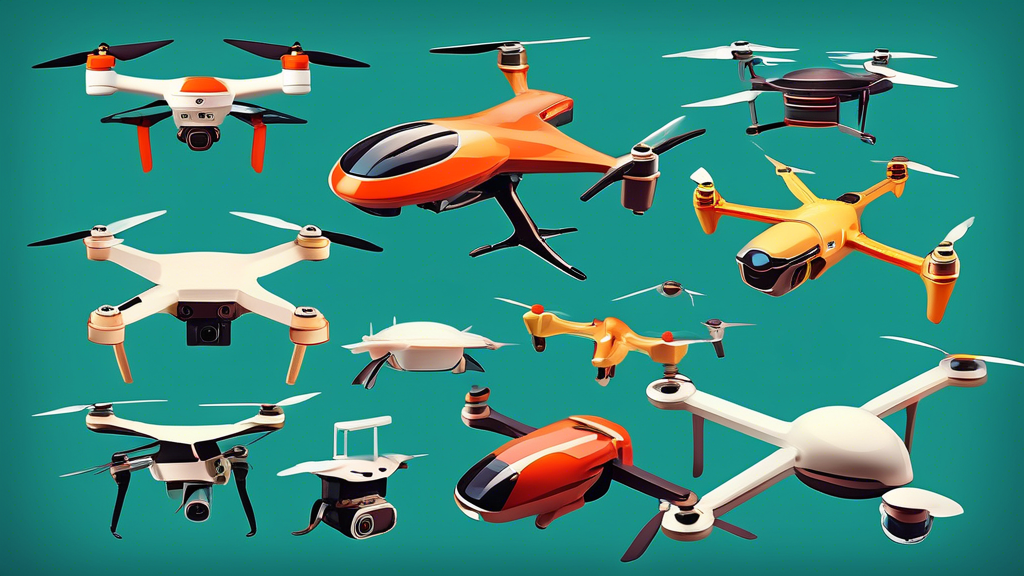
 

Exploring Drones: An Introduction

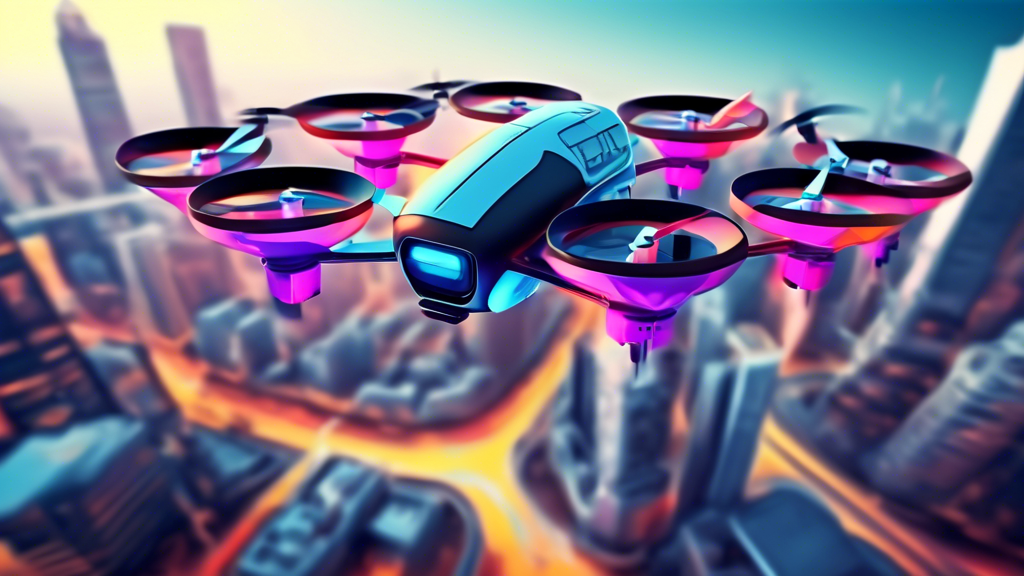
A futuristic drone flying over a cityscape

What Are Drones?

Ever looked up and seen a strange, buzzing object flitting through the sky? Chances are, you’ve spotted a drone! But what exactly *are* these high-flying gadgets? Simply put, drones are unmanned aerial vehicles (UAVs) – basically, flying robots controlled remotely by a pilot on the ground. They come in all shapes and sizes, from tiny palm-sized devices to large, sophisticated machines used by professionals.

How Do Drones Work?

Drones are like mini airplanes, equipped with rotors that allow them to take off, hover, and navigate the air. A remote control or a smartphone app acts as the pilot’s command center, sending instructions to the drone. Many drones boast GPS capabilities, helping them maintain stable flight and even follow pre-programmed routes. And let’s not forget the cameras! Most drones sport high-resolution cameras that capture stunning aerial photos and videos.

What Are Drones Used For?

The possibilities are endless! Drones have soared beyond their military origins and are now used in a variety of industries and for personal enjoyment. Here are a few examples:

Fun and Recreation

Drones have become a popular hobby for enthusiasts who enjoy aerial photography, videography, and even drone racing. Imagine capturing breathtaking landscapes from a bird’s-eye view or filming your adventures from a unique perspective – that’s the magic of drones!

Commercial Applications

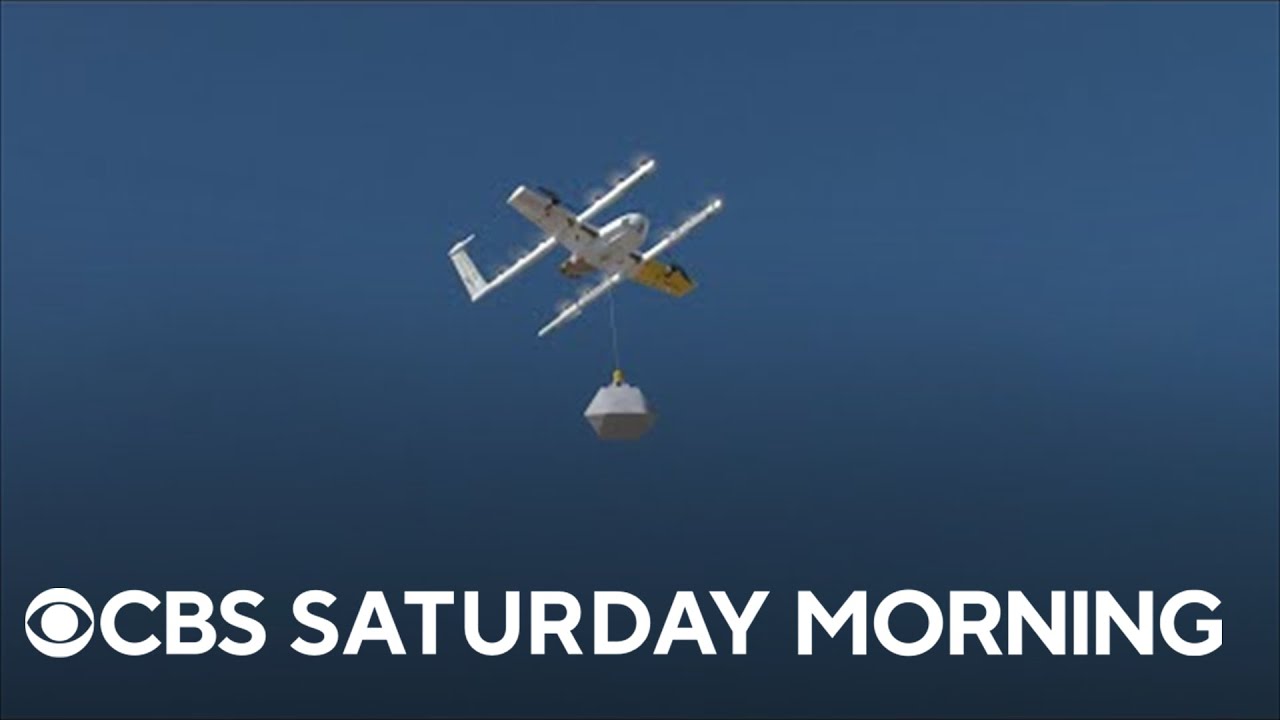
  • **Delivery Services:** Companies are exploring drone delivery for packages, groceries, and even medical supplies, especially in remote areas.
  • **Agriculture:** Farmers use drones to monitor crops, assess field conditions, and even spray pesticides, increasing efficiency and reducing environmental impact.
  • **Construction and Infrastructure:** Drones inspect bridges, buildings, and power lines, providing valuable data for maintenance and safety checks.
  • **Filmmaking and Photography:** Drones offer filmmakers and photographers dynamic aerial shots that were once only possible with expensive helicopters.

Public Safety and Emergency Response

  • **Search and Rescue:** Drones equipped with thermal imaging cameras can locate missing persons in challenging terrains, significantly improving response times.
  • **Disaster Relief:** Drones assess damage in disaster zones, helping authorities plan and execute relief efforts more effectively.
  • **Law Enforcement:** Drones provide aerial surveillance, assisting in crime scene investigations and monitoring large crowds.

The Future of Drones

The drone industry is constantly evolving, with advancements in technology opening doors to even more exciting applications. We can expect to see drones playing a bigger role in our lives, from autonomous delivery systems to air taxis and even drone-based internet services. The sky’s the limit!

History of Drone Technology

A timeline of drones, from the earliest models to futuristic designs, showcasing the evolution of drone technology

Early Developments (1800s – 1960s)

While the concept of unmanned aerial vehicles can be traced back even further, the foundations of modern drone technology emerged in the 19th and early 20th centuries. During this period, inventors and engineers experimented with various forms of remote-controlled vehicles for military and recreational purposes.

Balloons and Kites:

In the early 1800s, balloons and kites were used for aerial observation and reconnaissance during wartime. These early prototypes laid the groundwork for future unmanned aerial systems.

The Kettering Bug:

Developed during World War I, the Kettering Bug was an early attempt at a self-guided aerial torpedo. This innovative, albeit unreliable, invention showcased the potential for autonomous flight.

Radio-Controlled Aircraft:

Advancements in radio technology during the early 20th century led to the development of radio-controlled aircraft. These aircraft were primarily used for target practice and training purposes.

The Rise of UAVs (1960s – 1990s)

The Cold War era saw significant advancements in drone technology, driven by the need for reconnaissance and surveillance capabilities. Military forces worldwide began to recognize the potential of unmanned aerial vehicles (UAVs) for various missions.

Vietnam War:

The Vietnam War marked a turning point in drone usage, with the United States deploying UAVs for reconnaissance missions. These early drones provided valuable intelligence and helped reduce pilot casualties.

Israel’s Drone Program:

Israel emerged as a pioneer in drone development during the 1970s and 1980s, creating UAVs for surveillance, reconnaissance, and target acquisition. Israeli drones played a crucial role in the Yom Kippur War and subsequent conflicts.

Advancements in Technology:

Technological advancements in areas such as microelectronics, composite materials, and GPS navigation systems further enhanced the capabilities of drones during this period. These advancements paved the way for more sophisticated and versatile UAVs.

The Modern Drone Era (2000s – Present)

The 21st century has witnessed an explosion in drone technology, with UAVs becoming increasingly accessible, affordable, and capable. Drones are now used for a wide range of applications beyond military purposes.

The War on Terror:

Following the September 11th attacks, the United States significantly increased its use of drones for surveillance, intelligence gathering, and targeted strikes in the War on Terror. The Predator and Reaper drones became symbols of this new era of warfare.

Commercial and Civilian Applications:

Drone technology has expanded far beyond military applications, finding uses in various industries and aspects of everyday life. Drones are now employed for:

  • Aerial photography and videography
  • Delivery services
  • Agriculture and crop monitoring
  • Search and rescue operations
  • Infrastructure inspection
  • Law enforcement
  • Environmental monitoring
  • Recreational purposes

Technological Advancements:

Continuous advancements in areas such as battery technology, artificial intelligence, and autonomous flight are further expanding the capabilities and potential of drones.

The Future of Drone Technology

The future of drone technology appears bright, with ongoing research and development efforts pushing the boundaries of what UAVs can achieve. Some potential areas of advancement include:

  • Increased autonomy and intelligence
  • Improved battery life and range
  • Enhanced payload capacity
  • Integration into air traffic management systems
  • Development of swarming capabilities

As drone technology continues to evolve, it is poised to revolutionize various industries and aspects of our lives, offering new solutions and possibilities for the future.

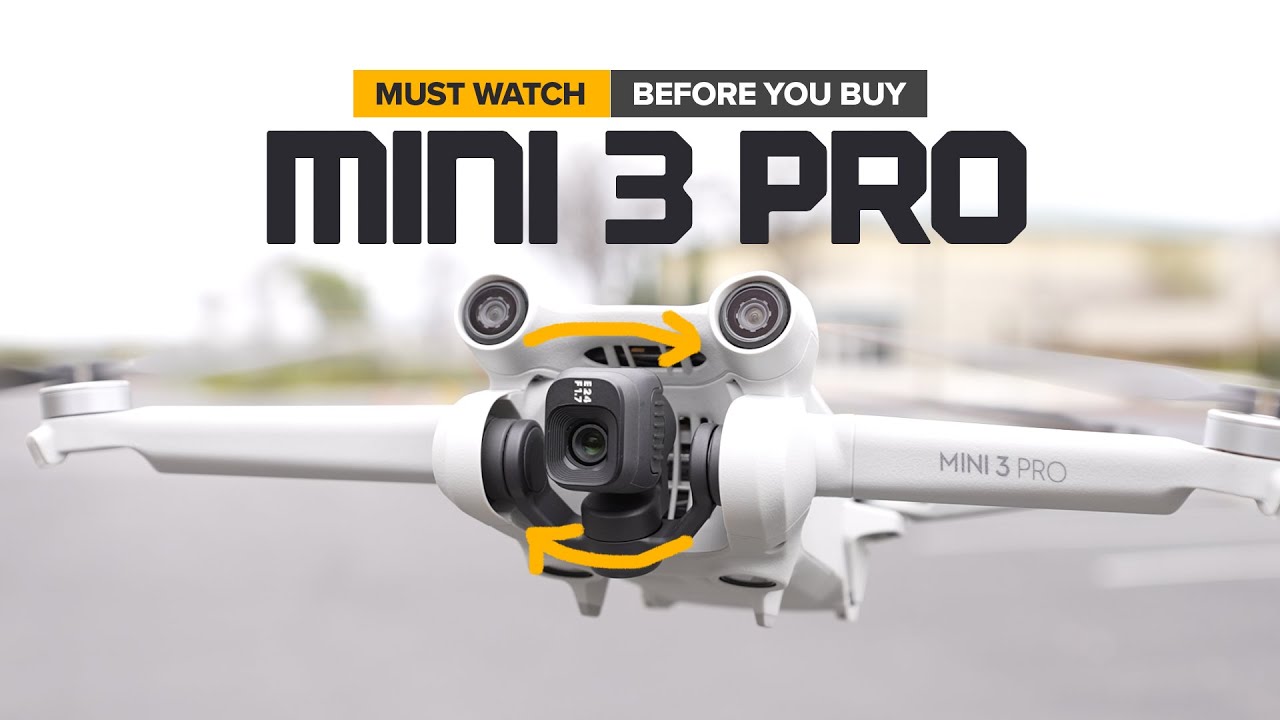
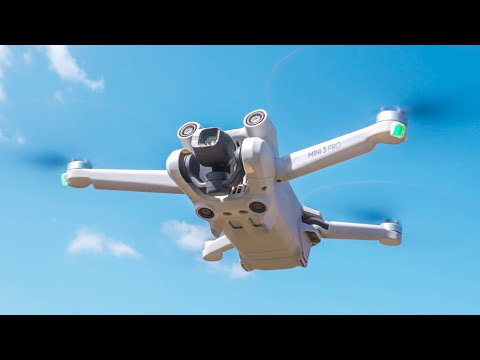
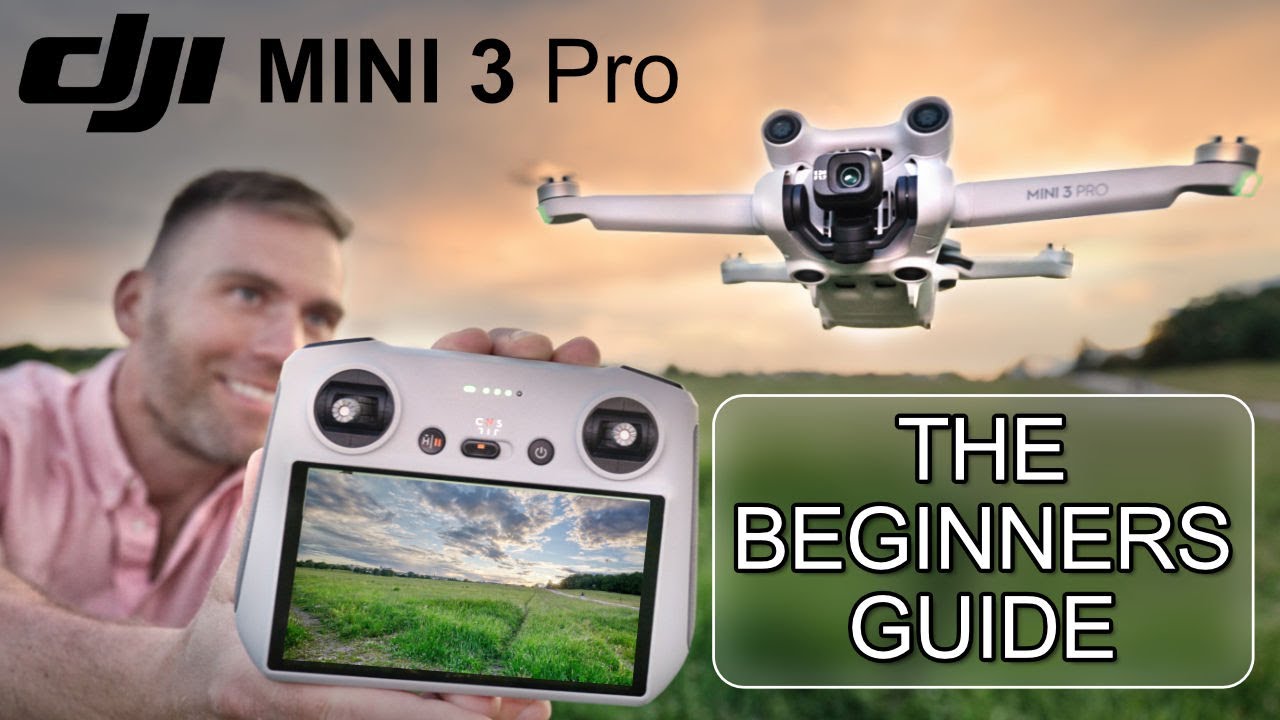
DJI MINI 3 PRO – EVERYTHING YOU NEED TO KNOW

DJI MINI 3 PRO - EVERYTHING YOU NEED TO KNOW

DJI MINI 3 PRO – EVERYTHING YOU NEED TO KNOW

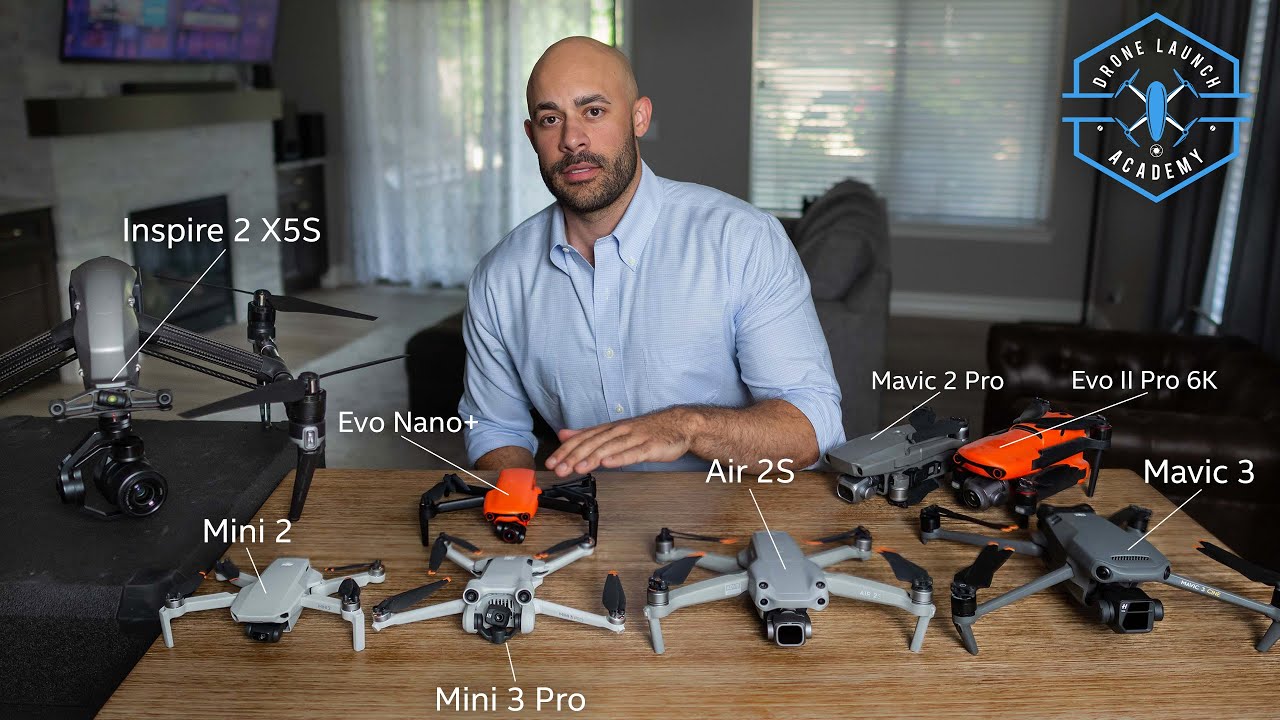
Ultimate Drone Buying Guide for Total Beginners 2022

Ultimate Drone Buying Guide for Total Beginners 2022

Ultimate Drone Buying Guide for Total Beginners 2022

5 Killer Ideas for Drone Videos

5 Killer Ideas for Drone Videos

5 Killer Ideas for Drone Videos