NYC’s Innovative Battle Against Subway Surfing: Drones, Education, and Community Engagement

NYC's Innovative Battle Against Subway Surfing: Drones, Education, and Community Engagement

The Response to Subway Surfing in NYC

New York City has been grappling with the alarming trend of subway surfing, where thrill-seekers ride on top of subway cars or between train cars. The NYPD has recognized the danger this poses, not just to those who surf but also to others using the transit system. To combat this growing issue, the city has introduced a variety of innovative measures, including the use of drones and targeted public awareness campaigns.

Innovative Approaches with Drones

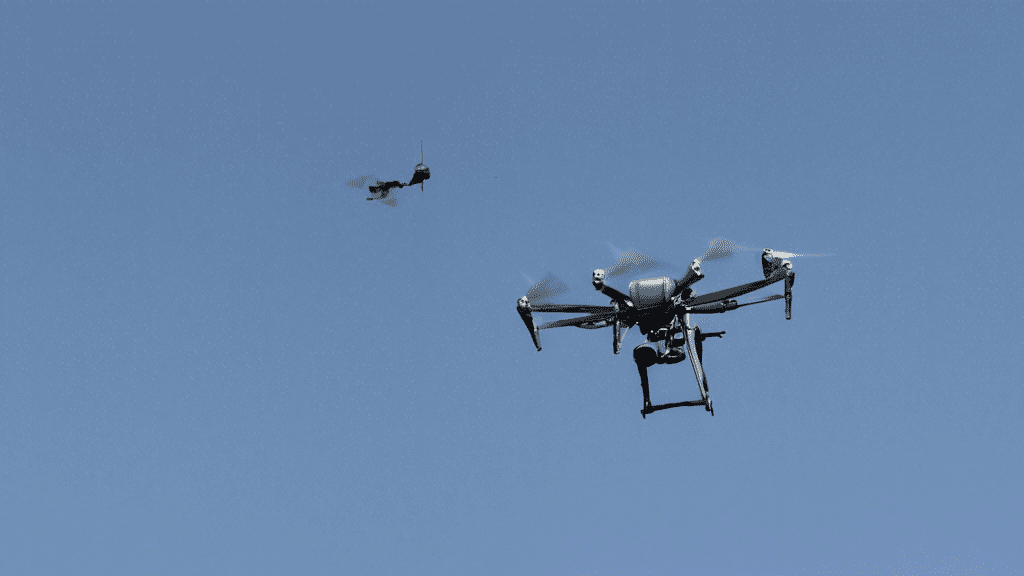
One of the standout strategies in NYC’s response has been the deployment of drones, particularly over the J and 7 lines. These drones allow police to surveil busy train lines, spotting surfers before they can cause harm. According to reports, since the drone program’s inception, it’s credited with saving 114 individuals between the ages of 9 and 33 from potentially fatal accidents. It’s impressive to think that a technological method like this can have such a profound impact on safety.

The drone’s quick flight time of around half an hour enables officers to act swiftly. When surfers are spotted, police can intercept them along the train route without even having to halt service. This method not only ensures the safety of the riders but also keeps the subway operations running smoothly. It’s a seamless integration of tech and law enforcement that’s helping to tackle a modern issue.

However, technology alone can’t fully address the problem. The city is also rolling out public service announcements that target the young demographic. These PSAs feature relatable messages from young people to educate their peers on the risks associated with subway surfing. They are designed to resonate with students, leveraging social media and collaboration with schools to propagate the awareness. Getting schools on board is crucial, as it ensures that the message reaches young individuals directly.

Community Engagement and Ongoing Efforts

In addition to school initiatives, city officials are actively engaging with social media platforms like Meta, Google, and TikTok to curb the glorification of subway surfing in videos. This partnership aims to restrict such content and amplify the message against it, targeting the very platforms where young people spend so much of their time. The urgency of the situation is highlighted by the tragic recent incidents, including the deaths of three individuals under 15. In total, six subway surfing-related fatalities have occurred in 2024 alone.

The growing statistics surrounding subway surfing paint a stark picture, with over 2,500 incidents reported in just the first eight months of this year compared to a mere 490 incidents in all of 2019. These figures clearly indicate that more must be done to keep young thrill-seekers off the roofs of subway cars. There is an outcry for increased community and parental involvement as well—stories from bereaved parents now play a pivotal role in the ongoing educational campaigns aimed at deterring this reckless behavior.

Mayor Eric Adams has emphasized a commitment to this issue, promising that drone operations and other safety measures will persist as long as subway surfing remains a hazard. It’s a multi-faceted effort that blends innovation, education, and community engagement. As NYC continues to tackle this issue head-on, the hope is that the convergence of these efforts will create a safer environment for all subway riders.
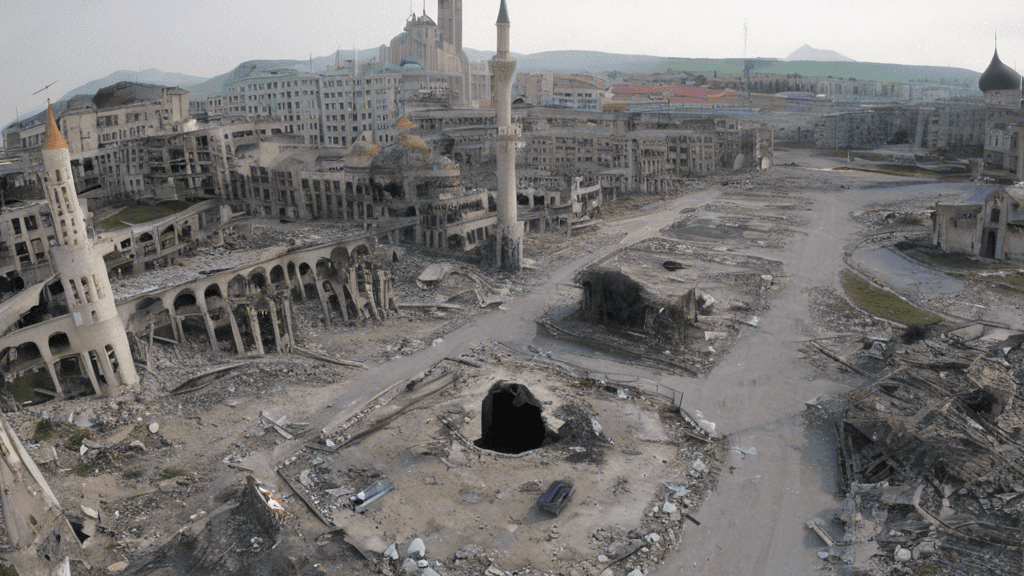
Escalating Drone Warfare: The Increasing Toll of the Russia-Ukraine Conflict

Escalating Drone Warfare: The Increasing Toll of the Russia-Ukraine Conflict

Recent Escalations in the Russia-Ukraine Conflict

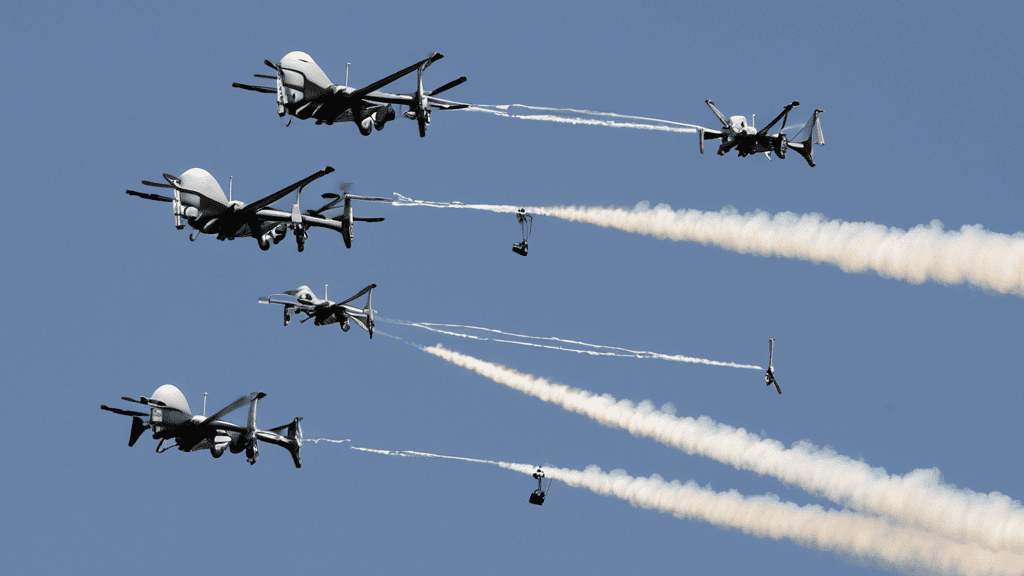
On October 30, 2024, the ongoing conflict between Russia and Ukraine took a serious turn with a series of drone strikes exchanged between the two nations. These developments represent a major escalation in hostilities, raising concerns over the regional stability and the implications for civilians caught in the crossfire. The share of drone warfare is becoming increasingly significant, and it has changed the landscape of this conflict dramatically.

Casualties and Damage Reports

The recent drone strikes have resulted in at least four fatalities, with dozens more sustaining injuries, particularly in Kyiv where at least nine individuals were reported injured in these attacks. Reports indicated that the Ukrainian capital faced overnight drone strikes that damaged infrastructure and created panic among residents. Notably, a Jewish school in Kyiv suffered severe structural damage, reflecting the indiscriminate nature of modern warfare that impacts educational institutions and starkly highlights the civilian toll of this conflict.

As the drones continue to unleash havoc, the frequency of these attacks is alarming. October 2024 has already seen Russia execute a staggering 19 air attacks on Kyiv alone. This growing reliance on drone strikes foreshadows a potential shift in tactics not just for these two nations, but for military operations globally. The drone warfare being employed is not just a blip on the radar; it signifies a changing dynamic when it comes to conflict resolution and military engagement.

The drone strikes are occurring against a backdrop of serious diplomatic interactions, such as the visit of North Korea’s top diplomat to Moscow around the same time. This context could imply broader geopolitical changes, with nations like North Korea showing signs of increasing involvement in regional conflicts. The interplay of these relationships is critical as it may alter the underlying tensions between Russia and Ukraine further.

While the military officials and Ukrainian authorities have been vocal about the casualties and damage sustained during these attacks, the impact on the local populace is hard to measure. There’s a growing crisis among civilians who are grappling with the psychological impacts of persistent threats from the sky. Families live in constant fear, and the destruction has left a marked imprint on the city’s fabric. The ongoing conflict shows no immediate signs of de-escalation, leaving communities in a state of limbo.

In conclusion, the exchange of drone strikes is not merely a tactical maneuver but encapsulates an ongoing escalation of hostilities between Russia and Ukraine. As both sides continue to bolster their military strategies using drones, the implications for future engagements and innocent lives caught in the crosshairs can be dire. Understanding the full scope of this conflict is essential, especially as we witness the human and infrastructural toll continue to rise.

Strategic Shifts: The Implications of the Historic Drone Attack in Chechnya

Strategic Shifts: The Implications of the Historic Drone Attack in Chechnya

Overview of the Drone Attack in Chechnya

On October 29, 2024, a first-of-its-kind drone attack shook the Chechen region at the Russian Special Forces University, commonly known as the University of Spetsnaz. Located in Gudermes, this facility is notorious for being a training ground for elite military personnel. The incident marks a significant moment not just due to its location but also due to the broader implications surrounding it.

The Details of the Attack

The attack occurred early in the morning at 6:30 a.m., resulting in a fire on the roof of an unoccupied building within the university campus. Thankfully, there were no reported casualties or injuries, and the fire was quickly extinguished. This facility, which bears the name of President Vladimir Putin, boasts a variety of amenities—from swimming pools to classrooms—making it a symbolic target in the ongoing conflict that encapsulates the current geopolitical climate.

Responses to the attack were quick, with Chechen leader Ramzan Kadyrov promising a strong retribution, indicating that Chechen fighters would intensify their efforts in the ongoing military operations. Kadyrov’s comments highlight a personal touch to the conflict, as he emphasized the Cloud of vengeance that loomed from Chechen soil against those who dared to attack it.

Implications and Strategic Value

But this incident isn’t just about local emotions; it also signifies a shift in military dynamics. The attack underlines Ukraine’s burgeoning capability to conduct long-range drone strikes, with Gudermes located approximately 780 miles from Odesa—a poignant reminder of the vast reach these modern drones can achieve. The implications for Russian air defenses are enormous, raising questions about how well-prepared they are to counter such long-range maritime threats.

Kadyrov has also acknowledged that investigative agencies are working to find the culprits behind this attack. Interestingly, this drone strike isn’t isolated, but rather, a part of a larger Ukrainian campaign targeting military facilities linked to Russia’s aggressive maneuvers in Ukraine, including airfields and ammunition supplies.

Let’s not forget the darker aspects that surround this entire scenario. The very forces under Kadyrov’s command have been accused of severe human rights violations throughout the conflict in Ukraine, including torture and extrajudicial killings – a reality that casts a long shadow over any anticipated retaliatory actions. All these dynamics create a tense backdrop that adds complexity to what we can expect in the immediate future.

In essence, this drone attack in Chechnya isn’t just a local event; it reverberates with significant symbolic and strategic implications, both for Ukraine and Russia. As we continue to follow developments in this situation, one thing remains clear: the landscape of warfare is changing, and so too are the stakes involved for all parties in this heated conflict.

Intensifying Drone Warfare: Russia and Ukraine Engage in Complex Air Combat Amid Civilian Casualties

Intensifying Drone Warfare: Russia and Ukraine Engage in Complex Air Combat Amid Civilian Casualties

The ongoing drone warfare between Russia and Ukraine continues to evolve dramatically, with both sides reporting significant interceptions and casualties. As of October 27, 2024, the situation has deepened, showing the relentless intensity of the conflict. With fast-paced developments, both nations have ramped up their air operations, leading to a critical examination of the day’s events.

Russia’s Defensive Moves

On the night of October 27, Russia’s Defence Ministry claimed a notable success, announcing the interception of 51 Ukrainian drones. This move was particularly strategic, as these interceptions were reported across various regions, showcasing a heightened level of vigilance and capability on Russia’s part.

Among the regions where Ukrainian drones were reportedly taken down, the Tambov region stood out, with 18 drones intercepted. This area, nearly 400 kilometers from the Ukrainian border, noted a significant increase in Russian defensive actions. Similarly, 16 drones were taken down near the border town of Belgorod, indicating a concentrated effort to thwart potential Ukrainian offensives. Other regions like Oryol, Bryansk, Lipetsk, and Voronezh also noted attempts at drone incursions, marking a widespread air combat campaign.

Ukrainian Counteractions

On the flip side, Ukraine’s defense forces were also busy, managing to intercept 41 out of 80 Russian drones launched overnight. Their air defense units appeared to excel, especially in regions like Odesa and Kyiv, where most interceptions took place. The data underscores the ongoing cat-and-mouse game between both countries, each leveraging aerial technology in increasingly complicated combat scenarios.

Russian drones were reportedly launched from key locations such as Orel, Kursk, and Primorsko-Akhtarsk, which hints at strategic planning behind these attacks. Ukraine responded with a robust air defense setup involving anti-aircraft missile units, electronic warfare, and mobile fire groups, signaling a well-coordinated effort to protect their airspace.

However, amidst these military maneuvers, the tragic impact on civilians has been harsh. Reports indicate several casualties due to Russian attacks, with at least three civilians confirmed dead in regions like Sumy, Dnipropetrovsk, Donetsk, and Kharkiv. Furthermore, significant damage to infrastructure, including residential buildings and critical sites, adds a grim layer to the ongoing conflict.

The larger context of the war cannot be forgotten. Ukraine has been engaged in ground offensives in the Kursk region since August, managing to reclaim control of several hundred square kilometers of territory. This illustrates the broader complexities of the conflict, where drone warfare is only one facet of a far-reaching and brutal military engagement.

Kyiv Drone Strike: A Tragic Reminder of Ukraine’s Ongoing Conflict

Kyiv Drone Strike: A Tragic Reminder of Ukraine's Ongoing Conflict

The recent Russian drone strike on Kyiv has left the city reeling and has become a grim reminder of the ongoing conflict that continues to escalate. As of October 26, 2024, a 25-story residential building in the western part of Kyiv was severely impacted by this attack, resulting in the tragic death of a 15-year-old girl and injuring several others. This incident occurred amidst a broader context of relentless assaults on civilian targets across Ukraine.

Impact of the Attack on Civilians

The drone strike didn’t just stop at the loss of life; it caused extensive damage to multiple apartments on the upper floors of the residential building. Approximately 100 residents had to be evacuated as a result of the destruction. It’s heart-wrenching to witness such devastation, especially as families are uprooted from their homes. The nighttime nature of the attack, which lasted around seven and a half hours, meant that many were caught off guard, living through the fear of air raid sirens blaring throughout the night.

Ukrainian air defenses have been working tirelessly to fend off these strikes. During this particular incident, air defense systems intercepted up to a dozen drones, showcasing the resilience and determination of Ukraine’s military forces. Despite their efforts, the near-daily occurrence of drone attacks has put a strain on their resources and the morale of the residents. The constant alert and anxiety are taking a toll on everyday life, creating an atmosphere filled with uncertainty.

Broader Context of Ongoing Conflict

The drone strike in Kyiv is not an isolated event; it ties into a larger pattern of attacks that have been ravaging Ukraine for some time. Just miles away, in central Ukraine, a missile strike in Dnipro resulted in further loss of life, claiming the lives of several civilians, including a 14-year-old girl. Over 20 others were injured, among them children and teenagers. Such brutal assaults on civilian infrastructure, including thirteen damaged apartment buildings and a significant healthcare facility, highlight the dire situation facing innocent populations caught in the crossfire.

Russian forces continue to execute offensive operations across various regions, although there have not been any confirmed advances recently. The use of a wide array of missile and drone types, including Iskander-M ballistic missiles and Kh-59 cruise missiles, reveals a diverse strategy targeting Ukrainian rear areas. This aggressive military posturing is a stark reminder of the ongoing hostilities that don’t seem to be easing anytime soon.

The efforts of Ukrainian forces to counter these air threats have been substantial, with reports indicating the shooting down of a staggering 44 Russian drones just in recent days. This highlights not only the strength of Ukraine’s defense but also the relentless nature of the offensive from the Russian side. The situation remains tense, and while air defenses are proving effective in intercepting some threats, the risk to civilian lives and property continues to loom large.

Drone Strike on Kyiv Highlights Ongoing Conflict and Civilian Struggles

Drone Strike on Kyiv Highlights Ongoing Conflict and Civilian Struggles

The recent drone attack on Kyiv serves as a stark reminder of the ongoing conflict and its impact on civilian life. On October 25, 2024, the serene city of Kyiv was jolted by the sound of an air raid alert, which preceded a devastating strike on a residential building. This incident is a reflection of the heightened tensions in the region and the challenges faced by both military and civilian entities amidst ongoing warfare.

Details of the Attack

On that fateful evening, a Russian drone targeted a high-rise building in the Solomyanskiy district, situated just west of the city center. This area, typically bustling with life, was hit hard, and chaos ensued as flames engulfed several apartments on the top floors. The swift action of emergency services was crucial, as they rushed to the scene to control the fire and render aid to those trapped or affected by this air raid. Sadly, the attack claimed the life of one individual and left five others injured, highlighting the terrible price of war yet again.

The air raid alert, which echoed through the streets around 9 p.m., issued warnings not only about the approaching drones but also underscored the frequency of such threats, with this being the 15th air attack on Kyiv this month alone. It’s a grim reality that residents now live under, constantly preparing for the possibility of an attack.

The Broader Impact

Even as Kyiv grappled with the immediate aftermath of the drone strike, Russian attacks were reported in other regions, including Donetsk and Kherson. This incident does not exist in a vacuum—as the conflict progresses, civilians across Ukraine find themselves increasingly at risk, illustrating the devastating reach of military actions beyond just the targeted locations.

Ukrainian air defenses displayed their resilience that night, managing to intercept 36 out of 63 drones launched by Russia late on October 24. Many of these were destroyed over Kyiv and Odesa, showcasing the ongoing efforts of Ukrainian forces to protect their citizens. However, the fact that such a strike could still succeed speaks volumes about the challenges they face in safeguarding their skies.

As international winds shift, the situation is further complicated by reports of North Korean troops being deployed to Russian territories. Ukrainian President Zelensky expressed serious concern regarding this escalation, suggesting that these troops might be thrust into combat zones within just days. The implications of such involvement could dramatically alter the conflict dynamics, leaving civilians with even more to fear.

In conclusion, the drone attack on Kyiv on October 25 serves not only as a tragic event for those directly impacted but also as a reflection of a larger, ongoing struggle that threatens peace and stability in the region. As the conflict rages on, the resilience of the Ukrainian people shines through, even in the darkest times, but it is clear that the road ahead is fraught with challenges and dangers.

U.S. Sanctions on Chinese Firms Reflect Growing Geopolitical Tensions Over Ukraine Conflict

U.S. Sanctions on Chinese Firms Reflect Growing Geopolitical Tensions Over Ukraine Conflict

The recent U.S. sanctions placed on Chinese companies have stirred quite the discussion in international relations. The U.S. Department of the Treasury’s Office of Foreign Assets Control (OFAC) has taken a significant step by targeting these firms due to their involvement in creating attack drones for Russia, specifically the Garpiya series. This move highlights not only the complexities of the current geopolitical climate but also emphasizes the ongoing tensions surrounding the Ukraine conflict.

The Entities in the Crosshairs

Two Chinese companies, Xiamen Limbach Aircraft Engine Co and Redlepus Vector Industry Shenzhen Co, are at the forefront of these sanctions. Along with them, the sanctions also extend to a Russian entity known as Limited Liability Company Trading House Vector and a Russian individual by the name of Artem Mikhailovich Yamshchikov. The sanctions underscore the U.S.’s strong disapproval of the collaboration between these Chinese companies and Russian defense firms to produce lethal technology, which is then being deployed in a conflict that has already claimed countless lives.

What’s particularly noteworthy about these sanctions is that it marks the first time the U.S. has imposed penalties on Chinese firms for directly producing complete weapons systems with Russian partners. This is a big deal! It reflects a shift in how the U.S. views the role of Chinese companies within the context of global military dynamics. State Department spokesman Matthew Miller pointed out the unprecedented nature of this situation, emphasizing that for the first time, a Chinese company is linked to the manufacturing of a weapon that is actively used in battle.

The Reaction from China

Of course, China isn’t taking these sanctions lying down. They’ve made their position crystal clear, vigorously opposing what they label unilateral sanctions that lack grounding in international law. The Chinese government asserts that it maintains a neutral stance in the Russia-Ukraine conflict and insists that it does not provide lethal weapons to any parties involved. Yet, many Western nations contend that China’s economic and diplomatic support effectively bolsters Russia’s war efforts. This back-and-forth only adds fuel to the already tense relations among these global powers.

Previously, the U.S. had targeted Chinese entities merely for providing components to Russian weapon production, but this new round signifies a more serious escalation. The act of sanctioning companies directly involved in the entire weapons production chain sends a message that the U.S. is serious about disrupting the networks that aid Russia in its military endeavors. This move is part of the broader strategy employed by the U.S. to counteract Russian advancements, particularly in light of the ongoing Ukraine conflict.

In conclusion, these sanctions not only demonstrate the U.S.’s firm stance against collaborations that fuel military aggression but also highlight the complexities of international law and diplomacy. As nations navigate the tumultuous waters of military alliances and conflicts, the repercussions of such actions will undoubtedly shape the global landscape for years to come. So, it’s essential to keep an eye on how this situation unfolds and what it means for international relations moving forward.

Rising Drone Incursions: Romania’s Airspace Under Threat Amid Regional Tensions

Rising Drone Incursions: Romania's Airspace Under Threat Amid Regional Tensions

Recent Drone Incidents in Romania

In a concerning series of events, Romanian radar systems detected two presumed drone signals entering its airspace on October 23, 2024. This incident, which took place over the southeastern regions of Constanta and Tulcea, marks a growing trend, as it’s already the third such occurrence in just a week. Tulcea, notably situated near the border with Ukraine, has become a focal point in discussions about airspace security amidst regional tensions.

Military and Geopolitical Responses

Following the detection of these drones, two F-16 fighter jets were dispatched to investigate. However, despite their presence, the jets were unable to visually identify the drones before the radar signals were lost. This pattern of military engagement reflects a troubling precedent; previous incidents also saw jets responding without successfully locating the drones. With no reported crash sites, it raises questions about what exactly is happening in the skies.

The ongoing conflict in Ukraine looms large over these incidents. Reports indicate that Russian forces have been increasingly active in targeting ports along the Danube River and the Black Sea. This has led to fragments of Russian drones landing within Romanian borders multiple times, sparking alarms among NATO members who are wary of potential escalation. Romania’s strategic position, with a lengthy border adjacent to Ukraine, heightens these concerns.

Romanian Prime Minister Marcel Ciolacu hinted that these drone breaches might not merely be a case of physical incursions. He suggested the possibility of cyber interference, given that the pilot’s inability to visually contact the drones adds an eerie layer to the situation. Are these drones the result of advanced technology or tactical maneuvers designed to spread uncertainty?

The NATO response has been swift, with notifications sent out regarding these incidents. There are now calls for enhanced Integrated Air and Missile Defense systems and a concerted push to bolster air and missile defense capabilities across Europe, especially in Eastern Europe. Countries like Bulgaria, Poland, Latvia, and Croatia have also reported similar happenings, indicating a wider regional impact that NATO can’t afford to overlook.

As investigations progress into these incidents, many are left wondering about the origins and intentions behind these drone breaches. While no concrete evidence has confirmed the drones as Russian technology, the implications of these events strain the already delicate geopolitical landscape. All eyes will be on how Romania and its allies manage this situation as tensions mount, further underscoring the necessity for robust defense measures in the face of uncertainty.

Escalation of Drone Warfare in the Russia-Ukraine Conflict: Impacts on Civilians and Defense Strategies

Escalation of Drone Warfare in the Russia-Ukraine Conflict: Impacts on Civilians and Defense Strategies

Intensifying Drone Warfare in the Russia-Ukraine Conflict

The ongoing conflict between Russia and Ukraine has recently escalated with a dramatic increase in drone warfare. As of October 22, 2024, Russia has been ramping up its drone attacks, launching a staggering 60 drones targeting various regions across Ukraine. Key areas affected include Sumy, Kherson, and several central, southern, and eastern parts of the country. This surge in drone usage highlights a shift in the tactics being employed in the conflict, and it’s proving to have severe consequences for the civilian population.

Impact on Civilians and Ukrainian Air Defense

Tragically, the uptick in drone strikes has resulted in civilian casualties, with reports indicating that at least three people, including a child, lost their lives in the Sumy region during recent attacks on residential areas. The situation in Kherson has been particularly dire, with drones targeting non-combatants, including pedestrians, vehicles, and emergency services. Such tactics appear aimed at instilling a sense of fear among the local population, as attacks target the most vulnerable members of society.

On a more positive note, Ukrainian air defense forces have shown their capabilities amid the onslaught. In the recent nighttime assault, they successfully neutralized 42 out of the 60 Russian drones launched. This significant success highlights the effectiveness of Ukraine’s defenses, as many remaining drones were either shot down or disrupted by electronic warfare strategies.

Interestingly, the conflict has also seen claims and counterclaims from both sides. Russia’s Ministry of Defence stated they intercepted 18 Ukrainian drones, with downing actions taken in several regions, including Bryansk and Belgorod. However, the veracity of such claims often faces scrutiny, as the fog of war complicates accurate reporting and accountability.

International Dynamics and Drone Technology

International engagement in the conflict is also evolving. In response to the ongoing military aggression, the United States has pledged a hefty $800 million aid package aimed at enhancing Ukraine’s drone capabilities. This includes funding for the production of long-range drones, alongside an additional $400 million in military support. Meanwhile, the UK is providing £2.26 billion in assistance, demonstrating significant Western support for Ukraine amidst these developments.

Finally, it’s worth noting the technological hurdles that come with drone warfare. The small sizes and high speeds of many Russian drones pose significant challenges for Ukrainian air defenses, as they often operate on frequencies that evade detection. This makes intercepting them increasingly difficult for Ukrainian forces, underscoring the need for advanced technological solutions to counter the evolving threat.

As the conflict drags on, the situation remains fluid, and the implications for civilians continue to escalate. Both sides are adapting to the realities of modern warfare, and the continued deployment of drones will likely play a pivotal role in shaping the future of this conflict.

Examining the Potential Lifting of Ukraine’s Drone Export Ban: Balancing Military Needs and Economic Growth

Examining the Potential Lifting of Ukraine's Drone Export Ban: Balancing Military Needs and Economic Growth

Ukraine has been in a challenging position since the Russian invasion in 2022. A significant step taken to secure its military assets was the implementation of an export ban on military goods, including drones. While this move aimed to ensure that the Ukrainian armed forces received the necessary equipment to defend their territory, it’s become increasingly apparent that this ban may no longer be sustainable.

Understanding the Export Ban’s Impact

The export ban, while initially beneficial, has created some complications for local drone manufacturers. Companies like Piranha Tech and Ukrspecsystems have experienced rapid growth, enhancing their capabilities significantly. However, they now face a dilemma—these businesses have scaled up beyond what state procurement can accommodate, leaving them with a lack of orders. As a result, they find themselves at a crossroads, seeking to balance their capabilities with current market demands.

One of the main arguments for lifting the export ban lies in the financial benefits that could follow. Estimates suggest that the Ukrainian drone manufacturing sector could generate up to $20 billion in revenue if exports were allowed. This influx of cash could lead to substantial investments in research and development, sustaining the industry while also empowering local companies to innovate and expand their offerings. It’s a win-win for both the economy and the defense sector.

The Broader Picture and Regulatory Considerations

There is a palpable buzz in the air about lifting the export ban, especially given the strong international demand for Ukrainian drones. The performance of these drones in the ongoing conflict with Russia has garnered attention, particularly from NATO countries that are wary of acquiring technology from China. This creates a golden opportunity for Ukraine to step up and meet the demand while bolstering its economy.

However, this transition isn’t as simple as flipping a switch. If the export ban is lifted, Ukraine will need to focus on establishing a centralized and transparent regulatory mechanism to oversee these sales. The top priority must remain the needs of the Ukrainian military, ensuring that any profits derived from exports do not compromise internal security or operational capabilities.

Beyond just lifting the ban, discussions are being held within government circles and parliamentary subcommittees to assess the associated risks and benefits. The involvement of both government and industry stakeholders will be crucial in navigating this complex terrain. Proposals are already bubbling up, such as maintaining state contracts as a priority while allowing companies to sell earlier versions of their drones. Such measures aim to strike a balance between immediate financial gain and long-term security needs.

As Ukraine continues to navigate this pivotal moment, the prospect of lifting the drone export ban could redefine the landscape of both its defense sector and economic viability. It’s a time for consideration, collaboration, and careful planning to ensure that the path forward benefits the military and the burgeoning drone industry alike.