The Impact Of 5G On Mobile Device Capabilities

the impact of 5g on mobile device capabilities 1

Imagine a world where you can download movies in a matter of seconds, video chat with crystal-clear quality, and navigate the internet at lightning-fast speeds, all from the palm of your hand. Well, with the introduction of 5G technology, that world is becoming a reality. The impact of 5G on mobile device capabilities is nothing short of revolutionary, promising to transform the way we interact with our smartphones and tablets. In this article, we will explore the incredible possibilities that 5G brings to our mobile devices and how it will enhance our daily lives in ways we never thought possible.

Faster Internet Speeds

Improved download and upload speeds

With the implementation of 5G technology, mobile devices are set to experience significantly improved download and upload speeds. This means that you can download and upload files, videos, and images at a much faster rate compared to what you are accustomed to with the current generation of mobile networks. Imagine being able to download your favorite movies or streaming music albums in seconds rather than minutes or even hours. The speed and efficiency provided by 5G will transform the way you use your mobile device for downloading and uploading content.

Reduced latency

Latency refers to the time it takes for data to travel from one point to another, or the delay in the transfer of information. With 5G technology, latency will be significantly reduced compared to previous mobile network generations. This means that when you send a request or perform an action on your mobile device, such as clicking a link or opening an app, the response time will be almost instantaneous. You can expect a more seamless and smooth user experience, with minimal delays and lag in loading web pages, apps, and streaming content.

Enhanced streaming and gaming experiences

Streaming movies, TV shows, and music, as well as playing online games, will be transformed with the advent of 5G. The improved network speeds and reduced latency will result in a much smoother streaming experience, with high-quality video and audio playback. You won’t have to worry about buffering or interruptions during your favorite shows or games. Additionally, the low latency provided by 5G will enhance the responsiveness of online gaming, allowing for more precise and accurate gameplay. The immersive experience of virtual reality (VR) and augmented reality (AR) applications will also be greatly enhanced, with high-resolution graphics and real-time interactions. 5G is set to revolutionize the way we consume entertainment and engage in gaming on our mobile devices.

Increased Capacity and Network Efficiency

Ability to connect multiple devices without congestion

One of the biggest advantages of 5G is its ability to handle a significantly larger number of connected devices compared to previous mobile network generations. With the increasing dependence on smartphones, tablets, smartwatches, and other smart devices, the demand for network capacity has skyrocketed. 5G networks are designed to efficiently allocate resources and handle a large number of devices simultaneously. This means that even in crowded places, such as stadiums or busy city centers, you can connect multiple devices to the network without experiencing congestion or degraded performance. Whether you are at a concert or a conference, you can rest assured that your mobile devices will stay connected and deliver a seamless user experience.

Better network reliability and stability

5G networks offer improved reliability and stability compared to their predecessors. You will experience fewer dropped calls and interruptions in your mobile data connection. This is particularly important in situations where a stable and reliable connection is crucial, such as during important business calls or emergency situations. With 5G, you can rely on your mobile device to provide a consistent and dependable network connection, allowing you to stay connected and productive wherever you are.

Improved network capacity for crowded areas

In densely populated areas where network congestion is a common issue, 5G will bring about a significant improvement in network capacity. The increased capacity of 5G networks ensures that even in highly crowded areas, such as busy urban streets or crowded public transportation, you can continue to enjoy fast and reliable connectivity. This is especially beneficial for businesses and organizations that rely on the mobile network for their operations, as it allows employees and customers to stay connected and access critical services without any disruptions.
The Impact Of 5G On Mobile Device Capabilities

Enhanced Mobile Broadband

Ultra-High Definition (UHD) video streaming

5G will revolutionize the way we consume video content on our mobile devices. With its ultra-high-speed capabilities, 5G enables seamless streaming of ultra-high definition (UHD) videos. Whether you are watching your favorite movies, TV shows, or online videos, you can expect a crystal-clear visual experience with vibrant colors and stunning clarity. The enhanced mobile broadband provided by 5G allows you to enjoy UHD content, bringing the cinematic experience to the palm of your hand.

Seamless video conferencing and collaboration

In today’s interconnected world, video conferencing and virtual collaboration have become indispensable tools for businesses and individuals alike. With 5G, the quality and reliability of video conferencing and collaboration applications will be greatly enhanced. You can conduct virtual meetings and collaborate with colleagues or clients without any buffering, freezing, or lag. The seamless video conferencing experience offered by 5G will enable remote teams to work together effectively and foster greater productivity and efficiency.

Efficient use of cloud services and storage

Cloud services and storage have become fundamental aspects of our digital lives, allowing us to store and access files, photos, and documents from anywhere and on any device. With 5G, the efficiency of accessing cloud services and storage from your mobile device will be greatly improved. You will experience faster uploads and downloads, seamless synchronization of files, and an overall enhanced experience when utilizing cloud-based apps and services. This opens up new possibilities for mobile productivity and collaboration, as you can effortlessly access and save files on the cloud without any performance bottlenecks.

Internet of Things (IoT) Applications

Integration of smart devices and sensors into everyday life

The Internet of Things (IoT) has the potential to revolutionize the way we live and interact with our surroundings. 5G will play a crucial role in enabling seamless integration of smart devices and sensors into our everyday lives. From smart homes to smart cities, 5G will provide the necessary infrastructure to connect and control a wide range of IoT devices, such as smart appliances, wearable devices, and environmental sensors. This will bring about unprecedented convenience, security, and efficiency in our day-to-day activities.

Optimized automation and remote control capabilities

With the high-speed and low-latency capabilities of 5G, automation and remote control capabilities will be greatly optimized. You can remotely control and monitor your smart devices, such as thermostats, security cameras, and door locks, from anywhere in the world, with minimal delay and near real-time response. This opens up possibilities for energy savings, increased security, and enhanced convenience in managing your connected devices. From turning on the lights before you arrive home to monitoring your home’s security while you are away, 5G will transform the way you interact with your smart devices.

Real-time data processing and analytics

The massive amount of data generated by IoT devices requires fast and efficient processing. 5G networks, with their high-speed capabilities, will enable real-time data processing and analytics at the edge of the network. This means that data can be processed and analyzed immediately, without the need for it to be transmitted to a remote server for processing. Real-time data processing and analytics enable fast and accurate decision-making, enabling businesses and organizations to derive valuable insights and take immediate action based on the data collected from IoT devices.

The Impact Of 5G On Mobile Device Capabilities

Advances in Augmented Reality (AR) and Virtual Reality (VR)

Realistic and immersive AR/VR experiences

Augmented Reality (AR) and Virtual Reality (VR) have already begun to revolutionize various industries, from gaming and entertainment to healthcare and education. With 5G, AR and VR experiences will be taken to the next level. The high-speed and low-latency capabilities of 5G networks will allow for more realistic and immersive AR/VR experiences. You can expect highly detailed and interactive virtual worlds, whether you are exploring new cities through AR travel guides or immersing yourself in virtual gaming environments. 5G will push the boundaries of what is possible with AR and VR, delivering unparalleled experiences on your mobile device.

Support for complex and high-resolution graphics

The high-speed capabilities of 5G networks enable support for complex and high-resolution graphics in AR and VR applications. Whether you are playing graphic-intensive games or exploring 3D models in an educational application, 5G ensures that you can enjoy stunning visuals and lifelike graphics on your mobile device. The improved network speeds and reduced latency of 5G networks ensure smooth rendering and seamless interactions in intricate virtual environments.

Low latency for seamless user interactions

One of the key challenges in AR and VR applications is achieving low latency to ensure smooth and natural user interactions. With the ultra-low latency of 5G, users will experience near real-time feedback and responses in AR and VR environments. This means that when you interact with objects or navigate through virtual spaces, the response time will be virtually instantaneous. This enhances the overall immersive experience and removes any sense of disconnection or delay between your actions and the resulting feedback in AR and VR applications.

Development of Autonomous Vehicles

Enhanced vehicle-to-vehicle (V2V) and vehicle-to-infrastructure (V2I) communication

The development of autonomous vehicles is heavily reliant on reliable and high-speed communication networks. 5G is set to play a pivotal role in enabling the seamless communication between autonomous vehicles and their surroundings. Vehicle-to-Vehicle (V2V) and Vehicle-to-Infrastructure (V2I) communication, facilitated by 5G, will enable autonomous vehicles to exchange vital information, such as location, speed, and road conditions, in real-time. This will enhance the safety and efficiency of autonomous vehicles, enabling them to react quickly to changing situations and navigate through complex traffic scenarios.

Improved safety and traffic management systems

With 5G networks, autonomous vehicles will have access to real-time information about road conditions, traffic patterns, and potential hazards. This information can be shared among vehicles and with traffic management systems, allowing for more efficient traffic flow and improved safety. The reduced latency provided by 5G ensures that decisions can be made and communicated in real-time, minimizing the risk of accidents and optimizing traffic management strategies. 5G will revolutionize the way we travel by enabling a safer and more efficient transportation system.

Efficient data exchange for real-time navigation

With 5G, real-time navigation systems in autonomous vehicles will be significantly enhanced. Autonomous vehicles will have access to up-to-date and accurate maps, traffic information, and navigation instructions, allowing for seamless and precise navigation. The fast and reliable data exchange facilitated by 5G ensures that autonomous vehicles can make informed decisions and adapt their routes in real-time, based on the latest information. This will result in more efficient and reliable navigation, reducing travel times and improving the overall passenger experience.

Expansion of Remote Work and Telemedicine

Seamless video conferencing and virtual collaboration

The COVID-19 pandemic has accelerated the adoption of remote work and virtual collaboration, and 5G will further amplify the capabilities of these practices. With 5G, the quality and reliability of video conferencing and virtual collaboration tools will be significantly improved. You will be able to have high-definition video conferences with colleagues or clients without any disruptions or buffering. Remote teams can collaborate seamlessly, sharing screens, files, and ideas in real-time. The enhanced connectivity provided by 5G ensures that remote work becomes even more productive and efficient, regardless of your location.

Remote access to medical services and teleconsultations

Telemedicine has emerged as a valuable healthcare solution, enabling people to access medical services remotely. With 5G, telemedicine capabilities will be greatly enhanced. You can consult with doctors and healthcare professionals through secure video calls, share medical records and diagnostic images in real-time, and receive remote medical advice and prescriptions. The high-speed and low-latency capabilities of 5G ensure that remote consultations are as close to in-person visits as possible, enabling timely healthcare services even in remote or underserved areas.

Enhanced connectivity for remote learning and education

The education sector has also witnessed a significant shift towards remote learning and online education platforms. 5G will provide a significant boost to remote learning capabilities by offering enhanced connectivity and improved user experiences. You can attend virtual classrooms, participate in interactive online lectures, and collaborate with classmates seamlessly. The high-speed capabilities of 5G enable the efficient delivery of educational content, ensuring that online lessons and multimedia materials load quickly and without interruptions. 5G will empower students and educators alike to embrace remote learning and unlock new possibilities for education.

Edge Computing and Cloud Integration

Faster data processing and reduced latency at the network edge

Edge computing is a paradigm that brings data processing and storage closer to the source of data generation. 5G networks enable faster data processing and reduced latency at the network edge, which means that the processing of data can occur in proximity to the devices generating the data. This has numerous benefits, such as reduced network congestion, improved response times, and enhanced privacy and security. With 5G and edge computing, applications and services that require real-time data processing, such as autonomous vehicles, augmented reality, and industrial automation, can operate efficiently and deliver a seamless user experience.

Efficient utilization of cloud resources for storage and computation

Cloud computing has revolutionized the way we store and process data. With the integration of 5G and cloud services, the capabilities of mobile devices will be further enhanced. 5G enables efficient utilization of cloud resources for storage and computation, allowing mobile devices to offload resource-intensive tasks to the cloud. This reduces the burden on the mobile device’s hardware and extends its capabilities, enabling powerful applications and services that were previously only possible on high-end desktop computers. With 5G and cloud integration, you can experience the power of cloud computing on your mobile device, whether it’s running complex algorithms, rendering high-resolution graphics, or accessing large datasets.

Improved scalability and reliability of cloud-based applications

Cloud-based applications and services have become an integral part of our daily lives. 5G will greatly improve the scalability and reliability of these cloud-based applications. With the high-speed and low-latency capabilities of 5G networks, cloud-based applications can be accessed and utilized with minimal delay and interruptions. Whether you are using productivity tools, streaming media, or playing online games, you can expect a seamless and uninterrupted experience. The improved scalability and reliability of cloud-based applications ensure that you can rely on these services for your personal and professional needs, regardless of the size and complexity of the application or the number of users accessing it.

Advancements in Artificial Intelligence (AI) and Machine Learning (ML)

Real-time processing of large datasets for AI applications

Artificial Intelligence (AI) and Machine Learning (ML) have become key technologies driving innovation across various industries. 5G will enable real-time processing of large datasets required for AI and ML applications. This means that AI algorithms can analyze and make predictions on vast amounts of data without significant delays. Real-time processing allows for immediate decision-making and near-instantaneous insights, paving the way for advanced AI-powered applications on mobile devices. From personalized recommendations to intelligent virtual assistants, 5G will enable a new era of smart AI applications on your mobile device.

Enhanced capabilities in image and speech recognition

Image and speech recognition are critical components of many AI applications, such as facial recognition, voice assistants, and augmented reality. With 5G, the capabilities of image and speech recognition algorithms will be greatly enhanced. The high-speed and low-latency capabilities of 5G enable faster and more accurate analysis of visual and auditory data. This translates to improved image recognition in photography apps, more accurate transcription and voice commands in voice assistants, and seamless integration of AR experiences with the real world. 5G will take image and speech recognition to new levels of performance and usability on mobile devices.

Optimized AI algorithms and model training

Training AI models and algorithms usually requires significant computational resources and time. 5G, with its integration of edge computing and cloud services, will optimize the process of AI model training and algorithm development on mobile devices. The high-speed connectivity and access to cloud resources provided by 5G enable efficient data processing and training of AI models, reducing the time and resources required for model development. This opens up opportunities for developers and researchers to deploy and experiment with AI applications on a wider range of mobile devices, leading to accelerated innovation and advancements in the field of AI and ML.

Impact on Battery Life and Device Design

Advanced power management for better battery efficiency

Battery life is a crucial aspect of mobile device performance. With 5G, advancements in power management techniques and technologies will significantly improve battery efficiency. 5G networks are designed to minimize power consumption during data transmission and reception, allowing your device to conserve energy and prolong battery life. This means that you can use your mobile device for longer periods without having to worry about running out of battery power, even when utilizing resource-intensive applications or streaming high-definition content.

Opportunity for sleeker and more lightweight mobile devices

The integration of 5G technology presents an opportunity for sleeker and more lightweight mobile device designs. With the improved network efficiency and reduced space requirements of 5G components, device manufacturers can allocate more space and resources for other components and features. This opens up possibilities for thinner and lighter mobile devices, providing a more comfortable and portable user experience. Whether it’s a smartphone, tablet, or wearable device, 5G technology will enable device manufacturers to push the boundaries of design and deliver more aesthetically pleasing and ergonomic mobile devices.

Reduced energy consumption for prolonged device usage

Energy consumption is a critical consideration for mobile device users. With 5G’s optimized power management techniques and improved network efficiency, mobile devices will consume less energy during data transmission and reception. This translates to reduced energy consumption, allowing you to use your device for longer periods without having to recharge frequently. Whether you are traveling, working, or simply enjoying your mobile device, 5G enables prolonged usage without compromising on performance or user experience. The reduced energy consumption offered by 5G contributes to a more sustainable and eco-friendly mobile device ecosystem.

In conclusion, the impact of 5G on mobile device capabilities is immense and far-reaching. From faster internet speeds to enhanced connectivity, improved quality of services to optimized power management, 5G technology is set to revolutionize the way we use our mobile devices. The comprehensive benefits of 5G, ranging from faster download and upload speeds to advanced AI and IoT applications, open up new possibilities for entertainment, productivity, healthcare, transportation, and education. With 5G, be ready to experience a new era of connectivity and mobile device capabilities that will transform the way you live, work, and interact with the world around you.


The Evolution Of Mobile Operating Systems: Android Vs. IOS

the evolution of mobile operating systems android vs ios

In the ever-changing landscape of mobile technology, two giants have emerged as frontrunners: Android and iOS. These two mobile operating systems have revolutionized the way we interact with our devices, constantly evolving to meet the needs and demands of an increasingly tech-savvy society. With their intuitive interfaces, extensive app ecosystems, and cutting-edge features, Android and iOS have become integral parts of our daily lives. Join us as we take a closer look at the fascinating evolution of these mobile operating systems and the ongoing battle between Android and iOS.

Introduction of Android and iOS

The birth of Android

In September 2008, the first version of Android, known as Android 1.0, was released. It was developed by Android Inc., a company founded by Andy Rubin, Rich Miner, Nick Sears, and Chris White, which was later acquired by Google in 2005. Android was initially designed for digital cameras but soon shifted its focus to smartphones. The key objective behind Android’s development was to create an open-source operating system that would provide a customizable and versatile platform for mobile devices.

The birth of iOS

iOS, previously known as iPhone OS, made its debut in June 2007 alongside the first generation of iPhones. It was developed by Apple Inc. under the leadership of Steve Jobs. Unlike Android, iOS was not open-source. It was designed specifically for Apple’s hardware and provided a seamless and user-friendly experience. With its release, Apple revolutionized the smartphone industry and set a new standard for mobile operating systems.

User Interface Design

Android’s early UI design

In its early stages, Android had a more utilitarian and functional user interface (UI) design. The focus was on delivering a straightforward and efficient user experience. Android 1.0 featured a grid-based interface with app icons and widgets placed on the home screen. The notification bar, a key feature introduced in Android, offered quick access to notifications and system settings, enhancing user convenience.

iOS’s early UI design

From the beginning, iOS prioritized simplicity and elegance in its UI design. The home screen consisted of a grid of app icons, and users could swipe between multiple home screens to access more apps. The dock at the bottom of the screen provided shortcuts to frequently used apps, enhancing user accessibility. With its clean and visually pleasing design, iOS quickly gained popularity among users.

Evolution of Android’s UI design

Over the years, Android has undergone significant transformations in its UI design. With each iteration, the UI has become more visually appealing and intuitive. Starting from Android 4.0 Ice Cream Sandwich, Google introduced the Holo design language, which brought a modern and consistent UI across different apps. Material Design, introduced with Android 5.0 Lollipop, further refined the UI elements, emphasizing depth, shadows, and vibrant colors.

Evolution of iOS’s UI design

Similarly, iOS has witnessed notable changes in its UI design. With the release of iOS 7 in 2013, Apple introduced a complete overhaul of the UI, adopting a more minimalist and flat design. The use of translucent elements, thinner font styles, and a brighter color palette gave iOS a modern and fresh look. Subsequent updates have focused on refining the UI elements and enhancing user interactions, ensuring a seamless and visually appealing user experience.

The Evolution Of Mobile Operating Systems: Android Vs. IOS

App Ecosystem

Early app ecosystem of Android

In its early days, Android faced challenges in building a robust app ecosystem. The Google Play Store, initially called the Android Market, launched alongside Android 1.0. However, it took some time for developers to embrace the platform fully. The relative openness of Android allowed developers to create a wide range of apps, but it also led to concerns regarding app quality and security. Despite these challenges, the Android app ecosystem started gaining momentum due to the growing popularity of Android devices.

Early app ecosystem of iOS

iOS had the advantage of launching with a curated and controlled app ecosystem from the very beginning. The App Store, which debuted alongside the first iPhone, offered a selection of high-quality and vetted apps. This approach ensured a higher level of security and quality control compared to Android’s more open ecosystem. Developers were attracted to the App Store’s user base and the potential for monetization, leading to rapid growth in the iOS app ecosystem.

Growth and development of Android app ecosystem

As Android devices gained traction in the market, the app ecosystem also expanded. Google Play Store now houses millions of apps offering a wide range of functionalities. The open nature of Android allows developers to innovate and experiment freely, leading to an abundance of choices for users. Google’s efforts in improving app quality and security have played a crucial role in the growth and development of the Android app ecosystem, making it a formidable competitor to iOS.

Growth and development of iOS app ecosystem

The iOS app ecosystem has thrived over the years, with the App Store becoming a dominant force in the mobile industry. Apple’s strict guidelines ensure that apps meet certain quality standards, providing users with a curated and secure experience. The App Store’s vast user base continues to attract developers, leading to a constant stream of innovative and high-quality apps. The ecosystem’s growth has been fueled by the popularity of iOS devices and the unique revenue opportunities for developers.

Hardware Integration

Android’s approach to hardware integration

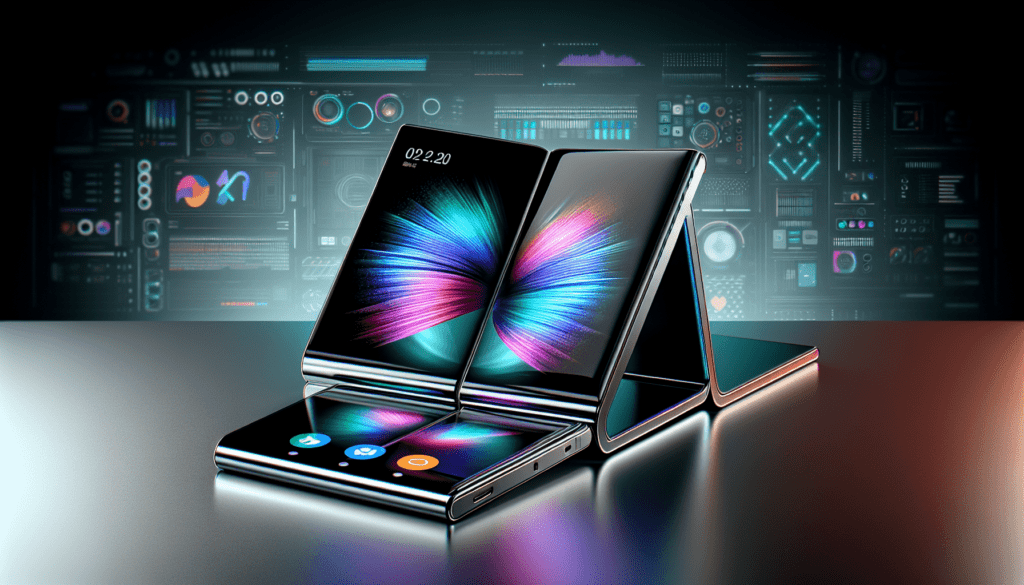
Android has maintained a flexible approach to hardware integration, allowing manufacturers to customize and modify the operating system to suit their devices. This has resulted in a diverse range of Android devices, catering to different market segments and user preferences. The open nature of Android also enables hardware manufacturers to experiment with new technologies, leading to innovations such as foldable displays, multi-camera setups, and advanced biometric features.

iOS’s approach to hardware integration

In contrast, Apple has followed a more closed and integrated approach to hardware integration. iOS is tightly integrated with Apple’s devices, which ensures optimal performance and a seamless user experience. By controlling both the hardware and software aspects, Apple can optimize the operating system to take full advantage of the device’s capabilities. This approach has allowed Apple to deliver consistent performance and a unified user experience across its ecosystem.

Advancements in Android’s hardware integration

With each new Android release, hardware integration has improved significantly. Manufacturers now work closely with Google to ensure a smoother and more optimized experience on Android devices. Features like Project Treble, introduced in Android 8.0 Oreo, have streamlined the update process, enabling faster and more consistent software updates across different devices. Additionally, Android has embraced emerging technologies such as augmented reality (AR) and virtual reality (VR), providing developers with the tools to create innovative and immersive experiences.

Advancements in iOS’s hardware integration

Apple continues to push the boundaries of hardware integration with each new iteration of iOS. The tight integration between hardware and software enables Apple to deliver industry-leading performance and efficiency. iOS updates are designed specifically for Apple devices, ensuring compatibility and optimal utilization of hardware advancements. Features like Touch ID and Face ID have further enhanced security and user convenience, showcasing Apple’s commitment to innovation in hardware integration.

The Evolution Of Mobile Operating Systems: Android Vs. IOS

Customization Options

Android’s customization options

One of the significant advantages of Android is its extensive customization options. Android users have the freedom to personalize their devices according to their preferences. They can choose from various home screen launchers, install custom ROMs, change themes, and customize app icons. The ability to tweak settings, rearrange widgets, and use third-party launchers makes Android a highly customizable operating system, catering to individual user preferences.

iOS’s customization options

iOS, compared to Android, has traditionally offered a more limited range of customization options. Apple focused on maintaining a consistent user experience, which restricted device customization to a certain extent. However, with recent iOS updates, Apple has introduced limited customization features such as customizable widgets, app icon shortcuts, and dynamic wallpapers. While the options are not as extensive as Android, iOS still provides some level of personalization for its users.

Improvements in Android’s customization options

Android has continually evolved its customization options, taking user feedback into account. With the introduction of Android 10 and subsequent updates, Google has made efforts to enhance device personalization. The introduction of system-wide dark mode, more intuitive gesture navigation, and enhanced theming capabilities are some of the improvements made to cater to user preferences. With each new Android version, users can expect more customization options to tailor their devices to their liking.

Improvements in iOS’s customization options

Apple has recognized the demand for increased customization options among iOS users. While iOS remains more restrictive compared to Android, recent updates have included features that offer more flexibility. iOS 14 introduced customizable widgets that allow users to personalize their home screens to a greater extent. Users can also hide or reorder app pages, enabling a more tailored experience. Though iOS customization may not match the level of Android, Apple’s focus on user preferences is evident in these improvements.

Multitasking and Productivity Features

Early multitasking options on Android

Android’s early versions provided a multitasking experience that allowed users to switch between apps seamlessly. The introduction of the Recent Apps button in Android 4.0 Ice Cream Sandwich made navigating between recently used apps more convenient. Users also had the ability to run apps in the background, enabling multitasking capabilities such as listening to music while browsing the web.

Early multitasking options on iOS

iOS initially had limited multitasking capabilities, with users only able to switch between apps using the home button. Background activity was restricted to system processes, and third-party apps were generally suspended when not in use. However, with the release of iOS 4 in 2010, Apple introduced limited multitasking features such as fast app switching and background audio playback.

Enhancements to multitasking on Android

Android has continuously improved its multitasking capabilities, offering users more flexibility and productivity features. With the introduction of split-screen multitasking in Android 7.0 Nougat, users could run two apps simultaneously on the screen. Android 10 introduced a more refined system with improved gesture navigation and the ability to switch seamlessly between apps and open them in split-screen view directly from the Recents menu.

Enhancements to multitasking on iOS

Apple has also made enhancements to multitasking on iOS. With iOS 11, Apple introduced a redesigned multitasking interface for iPad, allowing users to run two apps side by side using Split View. Slide Over was introduced to enable users to access frequently used apps without fully switching tasks. Additionally, iOS 14 introduced App Library, which automatically organizes apps and simplifies the app usage experience, further enhancing productivity.

Security and Privacy

Android’s security and privacy measures

Android has made significant strides in improving security and privacy measures over the years. Google Play Protect, a built-in Android security feature, scans apps for potential threats before installation. Android also provides users with granular control over app permissions, allowing them to decide which permissions an app can access. Additionally, Android’s open-source nature enables the community to scrutinize the code, identifying and patching potential vulnerabilities quickly.

iOS’s security and privacy measures

Apple has long been recognized for its focus on security and privacy. iOS employs various measures to protect user data, including a strong sandboxing system that isolates apps from each other and the operating system. App Store Review Guidelines ensure that apps meet stringent security and privacy standards before being approved for distribution. Additionally, features like Sign in with Apple provide users with a secure and private alternative to third-party login systems.

Advancements in Android’s security and privacy

Google has made continuous efforts to enhance security and privacy on the Android platform. Android provides regular security updates, protecting devices from emerging threats. With Android 10, Google introduced more control over app permissions, enabling users to grant temporary or one-time access to sensitive data. The Android Compatibility Program ensures that manufacturers meet certain security requirements, promoting a secure ecosystem for users.

Advancements in iOS’s security and privacy

Apple remains committed to improving security and privacy on iOS. With each update, iOS introduces new security features and enhancements. iOS 14 introduced privacy labels on the App Store, providing users with insights into an app’s data collection practices. The introduction of Home Kit Secure Video ensures end-to-end encryption of video footage from compatible home security cameras. Apple’s steadfast commitment to user privacy has earned it a reputation as a leader in this domain.

Updates and Software Support

Android’s update and software support history

One of the challenges faced by Android is the fragmentation of devices and the diverse range of manufacturers. Android updates often face delays or limitations due to customization and modifications made by manufacturers. However, Google has made efforts to address this issue with initiatives like Project Treble, which separates the vendor implementation from the Android framework. This separation streamlines the update process, allowing manufacturers to deliver faster software updates to their devices.

iOS’s update and software support history

Apple has a well-established reputation for delivering timely software updates and long-term support for its devices. iOS updates are typically available to a wide range of devices, ensuring that older devices continue to receive the latest features and security enhancements. Apple’s control over its hardware and software allows for a more streamlined update process, as it does not face the same challenges of fragmentation found in the Android ecosystem.

Challenges faced by Android in updates

The primary challenge faced by Android in delivering updates is the fragmentation of devices. Each manufacturer has its own timeline for providing updates, and carriers may further delay the process. Moreover, older devices may not receive updates due to hardware limitations or the decision of manufacturers to prioritize newer models. These challenges contribute to the perception that Android devices tend to receive updates at a slower pace compared to iOS devices.

Challenges faced by iOS in updates

While Apple has a reputation for providing timely updates, challenges still exist in the iOS ecosystem. With a large user base and numerous devices to support, ensuring a smooth update process can be challenging. Occasionally, software updates may introduce new bugs or compatibility issues. However, Apple’s tight control over both hardware and software allows for quicker identification and resolution of such issues.

Market Share and Adoption

Android’s market share and adoption

Android holds the majority market share globally, thanks to its availability on a vast range of devices across different price points. The open nature of Android has facilitated its adoption by various hardware manufacturers, resulting in a diverse ecosystem. Android’s popularity among users in emerging markets has also contributed to its dominant market share. With a wide range of devices and price options, Android caters to a broader demographic, driving its adoption worldwide.

iOS’s market share and adoption

While iOS doesn’t have the same market share as Android, it continues to be a dominant force in certain regions, especially in developed markets. The unified user experience, optimized performance, and brand loyalty contribute to iOS’s market share. Additionally, Apple’s ecosystem, including other devices like Mac and Apple Watch, often leads to cross-platform adoption among users. The premium positioning of iOS devices also attracts users who value exclusivity and a seamless ecosystem experience.

Factors influencing market share and adoption

Several factors influence the market share and adoption of Android and iOS. Price plays a significant role, with Android offering a wide range of devices at different price points, making it accessible to a larger audience. Brand loyalty is another driving factor, as users who have had positive experiences with a particular operating system are likely to stay within that ecosystem. Additionally, factors such as app availability, hardware features, and regional preferences contribute to the market share and adoption of Android and iOS.

Trends in Android and iOS adoption

In recent years, there has been a shift towards Android gaining a larger market share globally, driven by its availability on affordable devices and growing demand in emerging markets. However, iOS continues to maintain its dominance in certain regions and among specific demographics, especially in countries with higher disposable incomes. As the market evolves, factors such as the rise of 5G connectivity, advancements in artificial intelligence, and the increasing importance of privacy and security may shape future adoption trends for Android and iOS.

Future Trends and Possibilities

Emerging trends in Android development

Android’s future is likely to be shaped by emerging technologies and trends. With the rise of 5G connectivity, Android devices are expected to leverage the increased bandwidth and lower latency to deliver more immersive experiences, such as cloud gaming and augmented reality applications. Artificial intelligence and machine learning are also expected to play a crucial role, enhancing user experiences and enabling smarter interactions. As the Internet of Things (IoT) ecosystem grows, Android devices are likely to integrate seamlessly with a wide range of connected devices and services.

Emerging trends in iOS development

In the realm of iOS, several emerging trends may influence its development. Apple’s focus on augmented reality (AR) technology is evident in initiatives like ARKit, which enables developers to create immersive AR experiences on iOS devices. As wearables gain popularity, Apple’s development of the Apple Watch and advancements in health-related features are likely to continue. Privacy and security are expected to remain at the forefront, as Apple continues to differentiate itself by positioning privacy as a key selling point.

Possible future developments in Android

Looking ahead, Android may continue to refine its user interface, striving for a more consistent experience across devices while providing increased customization options. Integration with other Google tools and services, such as Google Assistant and Google Pay, is likely to be a focus, enabling a more seamless and connected user experience. Android’s open nature may lead to increased collaboration with developers, resulting in more innovation and a richer ecosystem.

Possible future developments in iOS

The future of iOS is anticipated to build upon Apple’s strengths in hardware and software integration. As Apple expands its ecosystem with new devices and services, tighter integration between iOS and these products is likely to be a focus. Continuity and feel of seamlessness across different Apple devices will be a key development area. Furthermore, Apple’s commitment to privacy and security is expected to intensify, with new features and functionality designed to protect user data while maintaining a smooth user experience.

In conclusion, the evolution of Android and iOS mobile operating systems has witnessed remarkable progress in various aspects, including user interface design, app ecosystems, hardware integration, customization options, multitasking and productivity features, security and privacy, updates and software support, market share and adoption, and future trends and possibilities. Both platforms have their unique strengths and continue to innovate and cater to the evolving needs of users. The competition between Android and iOS has led to continuous advancements, ensuring a diverse and dynamic mobile landscape for users worldwide.

Budget Vs. Flagship Phones: What Do You Really Need?

budget vs flagship phones what do you really need 1

In today’s fast-paced world, smartphones have become an essential part of our lives. From staying connected with loved ones to managing our work and entertainment, these devices have revolutionized the way we live. However, with so many options available, the dilemma between choosing a budget or flagship phone often arises. While flagship phones boast cutting-edge features and sleek designs, budget phones offer affordability and practicality. So, what does one really need? This article will explore the pros and cons of both options, helping you make an informed choice that suits your needs and preferences.

Budget Vs. Flagship Phones: What Do You Really Need?

Price Range

Budget Phones

Budget phones are a great option for individuals who are looking for an affordable device that still offers respectable performance and features. These phones generally fall within the lower price range, making them accessible to a wide range of consumers. They may not have all the bells and whistles of flagship phones, but they can still meet your basic needs without breaking the bank. With budget phones, you can expect to find decent performance, a functional camera, and a reliable battery life. While they may not have the most premium build quality, they can still provide a satisfactory user experience for everyday tasks.

Flagship Phones

On the other hand, if you are willing to splurge a bit more on your smartphone, flagship phones offer a premium experience with top-of-the-line specifications and features. These devices are known for their superior performance, stunning display quality, and exceptional camera capabilities. Flagship phones are usually packed with the latest technology and offer a more luxurious design and build quality. However, this comes at a significantly higher price point compared to budget phones. If you demand the absolute best in terms of performance, camera quality, and overall user experience, a flagship phone might be the right choice for you.

Design and Build Quality

Budget Phones

Budget phones tend to prioritize affordability over premium design and build quality. While they may not have the same sleek and elegant look as flagship phones, many budget devices now feature improved designs that emulate higher-end models. They often come in plastic or polycarbonate bodies, which can make them more lightweight and less prone to damage. However, the materials used may not provide the same level of durability as metal or glass, so extra care may be required to prevent scratches or cracks.

Flagship Phones

Flagship phones are renowned for their impeccable design and build quality. These devices are often crafted from premium materials such as glass and metal, giving them a more luxurious and refined appearance. The use of high-quality materials not only enhances the aesthetics but also provides better durability and a more solid feel in the hand. Flagship phones are often designed with attention to detail, featuring sleek and slim profiles, curved edges, and edge-to-edge displays. If you value a premium and visually appealing phone, a flagship device is the way to go.

Display

Budget Phones

When it comes to the display, budget phones have made significant progress in recent years. You can now find budget devices with decent screen sizes and resolutions that offer satisfactory viewing experiences. While they may not rival the vibrant and sharp displays found on flagship phones, budget screens can still offer good color reproduction and adequate brightness levels for casual multimedia consumption, web browsing, and social media usage. However, don’t expect the same level of clarity, pixel density, or HDR support that you would find on higher-end devices.

Flagship Phones

Flagship phones are renowned for their outstanding displays, often featuring cutting-edge OLED or AMOLED technology. These displays offer vivid colors, deep blacks, and sharp image quality, providing an immersive experience when watching videos, playing games, or scrolling through photos. Flagship devices also tend to have higher screen resolutions and pixel densities, resulting in crisper and more detailed visuals. Additionally, many flagship phones feature advanced display features such as high refresh rates, HDR support, and curved displays, further enhancing the visual experience.

Performance

Budget Phones

When it comes to performance, budget phones have come a long way in recent years. While they may not match the blazing-fast speeds of flagship devices, they can still handle everyday tasks with ease. Budget phones often come equipped with processors that are capable of running common apps, browsing the internet, and handling lightweight multitasking. However, you may experience some lag or slower loading times when running more demanding apps or games. For individuals who primarily use their smartphones for basic tasks like calling, texting, and social media, the performance of a budget phone is usually sufficient.

Flagship Phones

Flagship phones are known for their exceptional performance and processing power. These devices often feature the latest and most advanced chipsets, delivering lightning-fast speeds and seamless multitasking. Whether you’re running demanding applications, playing resource-intensive games, or editing high-resolution photos and videos, flagship phones can handle it all without breaking a sweat. The additional processing power also future-proofs your device, ensuring that it remains capable of handling new software updates and demanding apps for years to come.

Budget Vs. Flagship Phones: What Do You Really Need?

Camera Quality

Budget Phones

Budget phones have made significant strides in improving their camera quality. While they may not offer the same level of detail, sharpness, or low-light performance as flagship devices, many budget phones now come equipped with competent camera systems that can capture decent photos in various lighting conditions. They often feature multiple lenses, enabling you to experiment with different perspectives and create engaging compositions. Budget phones may not be the best choice for professional photographers or enthusiasts, but they can certainly meet the needs of casual photographers who want to snap memorable moments without breaking the bank.

Flagship Phones

Flagship phones are well-known for their exceptional camera quality. These devices often boast advanced camera systems that excel in various photography scenarios. With higher megapixel counts, larger sensors, and advanced image processing capabilities, flagship phones can capture stunningly detailed, vibrant, and well-exposed photos, even in challenging lighting conditions. Additionally, they offer a wide range of shooting modes, manual controls, and editing options, allowing you to unleash your creativity and capture professional-looking shots. If photography is a significant priority for you, investing in a flagship phone will ensure that you have the best tools at your fingertips.

Battery Life

Budget Phones

Battery life is a crucial factor to consider when choosing a smartphone, and budget phones often excel in this department. While they may not feature the largest battery capacities, budget devices typically come with optimized software and power-efficient components that allow for longer battery life. You can expect a budget phone to last a full day of moderate to heavy usage before needing a recharge. However, if you heavily rely on power-hungry applications, such as gaming or video streaming, you may have to recharge your budget phone more frequently.

Flagship Phones

Flagship phones, despite offering powerful performance and high-end features, often struggle with battery life due to their power-hungry components and advanced displays. While manufacturers have made improvements in recent years, the larger screens, faster processors, and additional features can drain the battery quickly. That being said, flagship phones also come with fast charging technologies, allowing you to quickly top up your battery when needed. If you’re a heavy user or frequently find yourself away from power outlets, it’s worth considering a flagship phone with a larger battery capacity.

Software and Updates

Budget Phones

Budget phones generally come with a slightly modified version of the Android operating system, tailored to their specific hardware and software capabilities. While they may not offer the same level of customization or software features as flagship devices, budget phones still provide a user-friendly and intuitive smartphone experience. However, it’s important to note that budget phones may receive software updates less frequently or for a shorter period compared to flagship devices. This can impact the availability of new features, bug fixes, and security patches.

Flagship Phones

Flagship phones typically come with the latest version of the Android operating system and receive regular software updates for a longer period. These updates not only bring new features but also fix bugs and address security vulnerabilities, ensuring that your device remains up to date and optimized. Flagship devices often offer additional software features and customization options, allowing you to tailor your smartphone experience to your preferences. If having the latest software updates and features is important to you, investing in a flagship phone guarantees a longer software support lifespan.

Extra Features

Budget Phones

Budget phones may not pack the same extensive list of extra features as flagship devices, but they still offer some notable additions that enhance the overall user experience. Many budget phones now come with fingerprint sensors, allowing for convenient and secure biometric unlocking. Some devices also feature expandable storage options, which is particularly beneficial if you require additional space for your photos, videos, and apps. While budget phones may not offer all the cutting-edge features found in flagship devices, they provide practical and useful additions that cater to everyday smartphone needs.

Flagship Phones

Flagship phones are often loaded with extra features to entice tech enthusiasts and individuals seeking the latest innovations. These devices may come equipped with advanced facial recognition systems, water and dust resistance, wireless charging capabilities, and stereo speakers for an immersive audio experience. Additionally, flagship phones may also offer unique software features and integrations, such as augmented reality (AR) capabilities or digital assistants. If you crave the latest and most innovative features, flagship devices are designed to deliver a cutting-edge experience.

Longevity

Budget Phones

Budget phones may not have the same longevity as flagship phones, both in terms of hardware performance and software support. Due to their lower price points, budget devices often feature less powerful processors and less RAM, which may cause them to become sluggish or less responsive over time as new software and apps become more demanding. Additionally, budget phones may receive software updates for a shorter duration, which can ultimately limit their compatibility with new apps and features. However, with proper care and maintenance, a budget phone can still serve you well for a few years.

Flagship Phones

Flagship phones are designed with longevity in mind, both in terms of hardware capabilities and software support. These devices are equipped with powerful processors, ample RAM, and ample storage, allowing them to handle new software updates and demanding applications for a longer period. Flagship phones also tend to receive software updates and security patches for an extended duration, ensuring that you can continue to enjoy the latest features and functionality. If you’re looking for a phone that will remain fast and up to date for several years, a flagship device offers the best long-term investment.

Conclusion

In choosing between a budget phone and a flagship phone, it ultimately comes down to your personal needs, priorities, and budget. Budget phones provide an accessible and affordable option for individuals who require basic smartphone functionality without breaking the bank. With substantial improvements in recent years, budget devices can now offer decent performance, satisfactory camera quality, and reliable battery life. On the other hand, flagship phones offer the best of the best in terms of design, build quality, performance, camera capabilities, and software support. If you value top-of-the-line features, a seamless user experience, and the latest technology, a flagship phone is worth the investment. Consider your budget, usage patterns, and desired features to make an informed decision and find the perfect phone that suits your needs.

Must-Have Smartphone Accessories For Tech Enthusiasts

must have smartphone accessories for tech enthusiasts

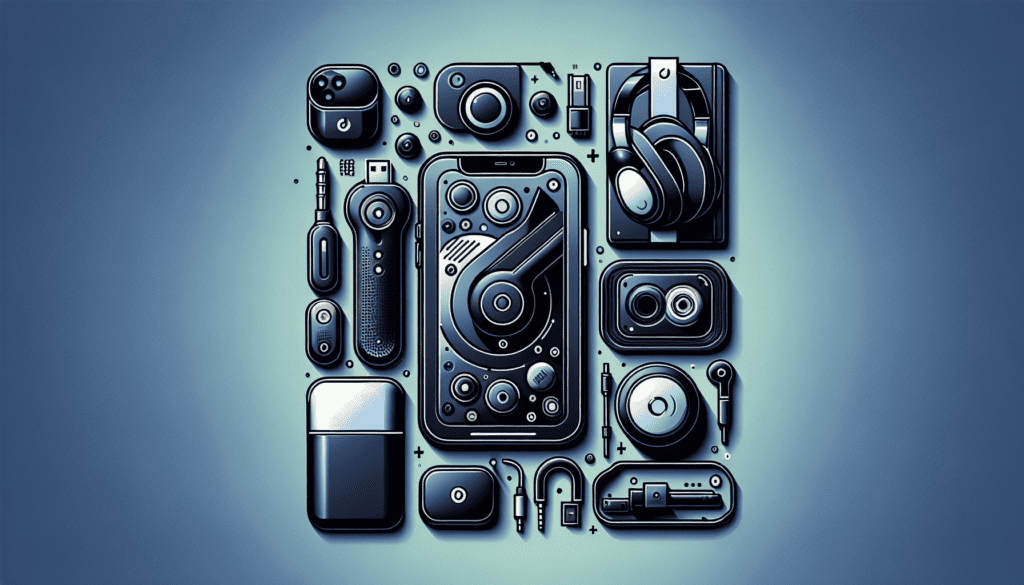
So you’re a tech enthusiast, huh? Always eager to stay ahead of the game and have the latest and greatest technology at your fingertips? Well, you’ve come to the right place. In this article, we’ll be sharing a list of must-have smartphone accessories that will take your tech-savvy lifestyle to the next level. From sleek wireless earbuds to powerful portable chargers, these gadgets are essentials for any true tech aficionado. So sit back, relax, and get ready to discover the perfect add-ons that will enhance your smartphone experience like never before.

Wireless Headphones

High-quality sound

Wireless headphones are a must-have accessory for any tech enthusiast seeking an immersive audio experience. With advancements in audio technology, these headphones offer high-quality sound that rivals traditional wired headphones. They utilize Bluetooth connectivity to wirelessly link to your smartphone, allowing you to enjoy your favorite music, podcasts, or movies without any tangled cords. The sound produced by wireless headphones is crisp, clear, and rich, bringing your audio to life and enhancing your overall entertainment experience. Whether you’re a music lover, a gaming enthusiast, or a movie buff, high-quality sound is essential, and wireless headphones deliver on that front.

Noise cancellation technology

One of the standout features of wireless headphones is their noise cancellation technology. This innovative technology blocks out external sounds and distractions, allowing you to fully immerse yourself in your audio experience. Whether you’re on a crowded bus, in a noisy office, or even at home with background noise, noise cancellation technology ensures that all you hear is the audio you want to focus on. By creating a barrier between you and the outside world, wireless headphones with noise cancellation technology provide a serene listening experience, free from disturbances. You’ll be able to hear every instrument in your favorite song, every word in your podcast, and every detail in your movie soundtrack without any interruptions.

Comfortable design

Long listening sessions can become uncomfortable if you’re wearing headphones that don’t prioritize comfort. Wireless headphones, however, are designed with your comfort in mind. They come in various styles, from over-ear to in-ear options, ensuring that you can find a design that best suits your preferences. Over-ear headphones often feature soft cushioning on the ear cups and headband, providing a comfortable fit that can be worn for hours without causing discomfort. In-ear options typically come with silicone or foam ear tips in different sizes, allowing you to find the perfect fit for your ears. The lightweight and ergonomic designs of wireless headphones ensure optimal comfort, so you can enjoy your audio experience without any distractions or discomfort.

Portable Charger

Long-lasting battery life

In today’s fast-paced world, being able to charge your smartphone on the go is crucial. That’s where portable chargers, also known as power banks, come into play. These compact devices act as a battery backup, providing you with a reliable power source to charge your smartphone when you’re away from an outlet. The best portable chargers offer long-lasting battery life, allowing you to recharge your phone multiple times without needing to recharge the power bank itself. With a high capacity portable charger, you can rest assured knowing that you’ll have enough power to keep your smartphone running throughout the day, even during extended periods away from a power source.

Compact and lightweight

The portability of a charger is key when you’re constantly on the move. Portable chargers are designed with compactness and lightweight in mind, making them easy to carry in your bag, pocket, or even in the palm of your hand. Their slim and sleek designs ensure that they take up minimal space, allowing you to conveniently bring them along wherever you may go. Whether you’re traveling, attending meetings, or simply running errands, a portable charger won’t weigh you down or add unnecessary bulk to your belongings. With their compact and lightweight nature, you’ll always have a reliable charging solution at your fingertips.

Fast charging capabilities

When you’re in a rush and need to quickly charge your smartphone, fast charging capabilities become essential. Many portable chargers offer advanced charging technologies, such as Power Delivery or Quick Charge, which provide higher charging speeds compared to standard chargers. These technologies enable your smartphone to charge at a much faster rate, significantly reducing the time it takes to get your battery back to full capacity. With a portable charger that supports fast charging, you can quickly top up your battery during a short break or while traveling between destinations, ensuring that you never run out of power when you need it most.

Must-Have Smartphone Accessories For Tech Enthusiasts

Phone Camera Lens Kit

Wide-angle lens

Smartphone cameras have come a long way in recent years, but they still have limitations when it comes to capturing vast landscapes or fitting large groups of people in a single frame. That’s where a wide-angle lens comes in handy. A wide-angle lens is a smartphone accessory that enhances the camera’s field of view, allowing you to capture wider scenes without having to physically step back. Whether you’re capturing breathtaking landscapes, architectural wonders, or group photos at gatherings, a wide-angle lens helps you capture more in a single shot, giving your photos a unique and expansive perspective.

Macro lens

If you enjoy capturing the intricate details of small objects or exploring the world of close-up photography, a macro lens is a must-have accessory for your smartphone. Macro lenses allow you to focus on subjects at an extremely close range, bringing out the tiniest details that are often invisible to the naked eye. Whether you want to photograph delicate flowers, insects, or intricate textures, a macro lens enables you to capture stunning close-up shots with impressive clarity and sharpness. Explore the beauty of the small with a macro lens and unlock a whole new level of creativity in your photography.

Telephoto lens

For those moments when you want to capture distant subjects without compromising on image quality, a telephoto lens is indispensable. A telephoto lens magnifies the image, allowing you to zoom in and capture faraway objects with impressive clarity and detail. Whether you’re photographing wildlife, sporting events, or taking candid shots from a distance, a telephoto lens brings the action closer to you, all while maintaining image quality. With the ability to zoom in without sacrificing sharpness, a telephoto lens adds versatility to your smartphone camera, expanding your photographic possibilities.

Wireless Charging Pad

Convenient and cable-free charging

Gone are the days of constantly fumbling with charging cables. Wireless charging pads provide a more convenient way to power up your smartphone. With wireless charging technology, all you need to do is place your device on the charging pad, and it will start charging without any wires or connectors. This hassle-free charging method simplifies your life, allowing you to effortlessly charge your phone by simply setting it down. Whether you’re at your desk, bedside table, or even in your car, a wireless charging pad provides a clutter-free and convenient way to keep your phone powered up throughout the day.

Compatibility with multiple devices

Wireless charging pads are designed to be universal, meaning they are compatible with a wide range of smartphone models, regardless of their brand or operating system. From iPhones to Android devices, these charging pads have the ability to charge multiple devices with ease. This versatility makes wireless charging pads an ideal accessory for households with various types of smartphones, as well as for tech enthusiasts who own multiple devices. With a single charging pad, you can conveniently charge different smartphones or even other wireless charging-enabled accessories, such as smartwatches or wireless earbuds.

Quick charging speed

Wireless charging pads not only provide convenience and compatibility, but they also offer quick charging speeds. Many modern wireless charging pads are equipped with fast charging technologies, such as Qi-certified Fast Charging, which delivers a higher power output to your device, resulting in faster charging times. This means you can quickly top up your phone’s battery while you’re on the go or when you need a quick boost of power before heading out. With the ability to charge your device at a comparable speed to traditional wired charging methods, wireless charging pads offer a fast and efficient way to keep your smartphone juiced up.

Must-Have Smartphone Accessories For Tech Enthusiasts

Phone Tripod

Stable support for photography and videography

Whether you’re a budding photographer or an aspiring vlogger, a phone tripod is an essential accessory that provides stable support for your smartphone during photography and videography sessions. Uneven surfaces or shaky hands can often ruin shots, leading to blurry images or shaky videos. However, with a phone tripod, you can ensure that your smartphone remains steady, resulting in clear and professional-looking captures. Tripods come with adjustable legs and a sturdy base, allowing you to position your phone at the perfect angle and height for your shots. Whether you’re capturing a time-lapse video, recording a vlog, or taking a group photo, a phone tripod ensures that your shots are sharp, steady, and visually appealing.

Adjustable height and angles

Phone tripods offer adjustable height and angles, providing you with the flexibility to capture your subjects from various perspectives. Whether you’re shooting in landscape or portrait mode, a tripod allows you to position your phone to achieve the desired composition. The adjustable height feature lets you raise or lower your phone, so you can capture shots from eye-level, ground-level, or even overhead. This versatility is particularly useful for capturing different types of photography, such as product photography, self-portraits, or capturing stunning landscapes. With a phone tripod, you have full control over the positioning of your phone, ensuring that your shots are visually captivating and tailored to your creative vision.

Compatible with various smartphone models

Phone tripods are designed to be compatible with a wide range of smartphone models, making them accessible to all tech enthusiasts regardless of the type of phone they have. Many tripods feature adjustable phone mounts that can securely hold smartphones of different sizes and dimensions. Whether you have the latest flagship smartphone or a budget-friendly device, a phone tripod can accommodate your device and provide the necessary support for your photography or videography needs. This compatibility ensures that you can enjoy the benefits of a tripod, regardless of the make or model of your smartphone.

Bluetooth Speaker

High-quality audio output

For music lovers and podcast enthusiasts, a Bluetooth speaker is a must-have accessory that takes your audio experience to the next level. Bluetooth speakers provide clear, high-quality audio output that enhances the sound of your favorite tracks or podcasts. With advancements in speaker technology, Bluetooth speakers deliver immersive sound with rich bass, crisp highs, and detailed mid-range tones. Whether you’re listening to music at home, hosting a small gathering, or enjoying outdoor activities, a Bluetooth speaker ensures that you can enjoy your audio content with exceptional sound quality, without the limitations of headphones.

Portable and compact design

One of the key advantages of Bluetooth speakers is their portability and compactness. These speakers are designed to be lightweight and easy to carry, allowing you to take them wherever you go. Whether you’re going on a hike, having a picnic in the park, or traveling to a new destination, a Bluetooth speaker can be a great companion. Their small size and sleek designs make them easy to fit in your bag or backpack, ensuring that you have access to high-quality audio wherever your adventures take you. With a portable Bluetooth speaker, you can enjoy your favorite music or podcasts with friends and family, no matter where you are.

Wireless connectivity

Bluetooth speakers offer the convenience of wireless connectivity, allowing you to connect your smartphone or other Bluetooth-enabled devices without the hassle of cables or wires. This wireless technology eliminates the need for physical connections, providing you with the freedom to move around while you enjoy your audio. Simply connect your smartphone to the Bluetooth speaker, and you’re ready to start streaming your favorite songs or podcasts. With wireless connectivity, you can keep your phone in your pocket or bag, and control the audio playback from a distance. This convenience allows you to enjoy your audio content without limitations and with the added flexibility to move around.

Smartphone Gimbal

Stabilization for smooth video footage

If you’re a fan of capturing videos with your smartphone, a smartphone gimbal is a game-changer. A gimbal is a handheld stabilizing device that minimizes shaky footage, ensuring that your videos are smooth and professional-looking. Whether you’re capturing a travel vlog, documenting important moments, or simply recording family memories, a smartphone gimbal provides the stability you need to create visually appealing videos. The gimbal’s motors compensate for hand movements, keeping your phone steady and eliminating unwanted shakes and vibrations. With a smartphone gimbal, your videos will have a cinematic quality, making them more engaging and enjoyable to watch.

Control features for creative shots

Smartphone gimbals often come with advanced control features that give you the ability to create unique and creative shots. Many models offer pan, tilt, and roll controls, allowing you to move your phone smoothly in different directions. This versatility enables you to capture dynamic footage, such as panoramic shots, follow-action shots, or even creative transitions. Some gimbals also offer time-lapse and hyperlapse modes, which add visual interest and variety to your videos. With the control features of a smartphone gimbal, you can unleash your creativity and elevate your videography skills, taking your videos to a whole new level.

Compatible with popular smartphone brands

Smartphone gimbals are designed to be compatible with popular smartphone brands, ensuring that you can enjoy the benefits of stabilization and control features regardless of the phone you own. Whether you have an iPhone or an Android device, there are smartphone gimbals available that can securely hold and stabilize your phone. Many gimbals also come with adjustable phone mounts that can accommodate different phone sizes and dimensions. This compatibility ensures that you can elevate your videography skills and capture smooth footage, regardless of the smartphone brand you prefer.

Smartwatch

Fitness tracking and health monitoring

A smartwatch is an essential accessory for tech enthusiasts who prioritize their health and fitness. Smartwatches offer a range of fitness tracking features, including step counting, distance tracking, and even heart rate monitoring. With built-in sensors, these devices can accurately track your movement and activity levels, providing you with valuable insights into your daily exercise routine. Smartwatches also offer features such as sleep tracking, allowing you to monitor your sleep patterns and make informed decisions to improve your overall well-being. Whether you’re a fitness enthusiast or simply looking to stay active, a smartwatch acts as your personal health companion, helping you achieve your wellness goals.

Receive notifications and calls

Staying connected is easier than ever with a smartwatch. These devices allow you to receive notifications, calls, and messages directly on your wrist, eliminating the need to constantly check your smartphone. Whether it’s an important email, a text message from a loved one, or a social media notification, you can stay informed without having to reach for your phone. Smartwatches also offer customizable vibration alerts, allowing you to prioritize and filter notifications based on your preferences. With a smartwatch, you can keep your phone out of sight and focus on the present, while still staying connected to the digital world.

Personalized watch faces

Smartwatches offer a wide variety of watch faces that can be personalized to match your style and preferences. From classic analog designs to digital displays with vibrant colors, you can choose the watch face that suits your mood and personality. Many smartwatches also allow you to customize the complications, which are additional widgets or shortcuts displayed on the watch face. You can add complications for weather updates, calendar events, fitness goals, or even quick access to your favorite apps. With the ability to personalize your watch face, you can express your individuality and make your smartwatch truly your own.

Phone Mount for Car

Securely holds smartphone while driving

For tech enthusiasts who rely on their smartphones for navigation or hands-free calling while driving, a phone mount for the car is an essential accessory. These mounts securely hold your smartphone in place, ensuring that it remains visible and easily accessible without obstructing your view. Whether you prefer mounting your phone on the dashboard or the windshield, there are a variety of car mounts available to suit your needs. With a secure phone mount, you can enjoy the convenience of having your phone within reach while keeping your hands on the wheel and your focus on the road.

GPS navigation convenience

Having a phone mount in your car enables you to use your smartphone’s GPS navigation features with ease. Whether you’re traveling to a new destination or simply navigating through familiar roads, a mounted smartphone allows you to follow directions without having to hold your phone or constantly glance at it. The visibility provided by a car mount ensures that you can keep your eyes on the road while still being able to see the directions clearly. Say goodbye to juggling your phone or depending on a separate GPS device, and embrace the convenience of using your smartphone as your navigation guide.

Hands-free calling

In many places, using a smartphone while driving is illegal and poses a significant safety risk. However, with a phone mount for your car, you can safely utilize hands-free calling features on your smartphone. Whether it’s making or receiving calls, you can navigate through your contacts, dial numbers, or answer calls without having to physically hold your phone. The hands-free calling functionality provided by a car mount allows you to focus on the conversation and the road, keeping you and others safe on your journeys. With a phone mount, you can enjoy the convenience of hands-free calling while staying compliant with traffic laws.

Bluetooth Keyboard

Enhanced typing experience on smartphones

Typing on a smartphone’s touchscreen keyboard can sometimes be challenging, especially when you need to compose lengthy emails, write documents, or engage in text-heavy tasks. A Bluetooth keyboard is a game-changer for those who want to have a more efficient and comfortable typing experience on their smartphones. These compact keyboards easily connect to your smartphone via Bluetooth, instantly transforming your device into a portable typing station. With physical keys that are larger and more tactile than touchscreen keys, a Bluetooth keyboard allows you to type faster, with fewer errors, and with a more familiar feel. Whether you’re a student, a professional, or a frequent typist, a Bluetooth keyboard significantly improves your productivity and efficiency.

Wireless connectivity

Bluetooth keyboards provide the convenience of wireless connectivity, allowing you to connect your smartphone without the need for cables or wires. This wireless technology ensures a clutter-free setup, providing you with the flexibility to position the keyboard wherever is most comfortable for you. You can use the Bluetooth keyboard on your desk, on your lap, or even on the go, freeing you from the limitations of a wired keyboard. The wireless connectivity allows you to type more comfortably and with greater freedom, making it a must-have accessory for those who need to type extensively on their smartphones.

Compact and portable design

A key advantage of Bluetooth keyboards is their compact and portable design. These keyboards are often slim, lightweight, and easy to carry, making them an ideal accessory for those who are constantly on the move. Whether you’re traveling, commuting, or working remotely, a Bluetooth keyboard can conveniently fit into your bag or backpack, ensuring that you always have a comfortable typing solution available. The portable design of these keyboards doesn’t compromise on key size or functionality, offering a practical typing experience without the need for bulky equipment. With a Bluetooth keyboard, you can turn any space into your personal workstation and type comfortably wherever you are.

In conclusion, these must-have smartphone accessories cater to different needs and enhance various aspects of the smartphone experience. Whether you’re looking for immersive audio with wireless headphones, convenient charging solutions with a portable charger and wireless charging pad, enhanced photography capabilities with a phone camera lens kit and tripod, or expanded functionality with a Bluetooth speaker, smartphone gimbal, smartwatch, phone mount for the car, or Bluetooth keyboard, these accessories transform your smartphone into a powerful and versatile tool. So, as a tech enthusiast, be sure to explore these accessories and optimize your smartphone experience to enjoy the full potential of your device.

The Future Of Foldable Smartphones: Trends And Predictions

the future of foldable smartphones trends and predictions

Imagine a world where your smartphone seamlessly transforms from a compact device into a larger, tablet-like screen with just a simple fold. Sounds like something out of a sci-fi movie, right? Well, the future is here, and foldable smartphones are taking the tech world by storm. With advancements in technology, these innovative devices are set to revolutionize the way we interact with our phones. In this article, we will explore the latest trends and make some intriguing predictions about the future of foldable smartphones. Get ready to be amazed!

Introduction to Foldable Smartphones

Technology continues to advance at an unprecedented pace, and one of the latest innovations in the smartphone industry is the introduction of foldable smartphones. These devices, as the name suggests, have the unique ability to fold, allowing users to enjoy the benefits of a larger display while still maintaining portability. In this article, we will delve into the definition and history of foldable smartphones, explore the current state of this technology, discuss the challenges and roadblocks it faces, and make predictions about its future. Let’s begin our journey into the world of foldable smartphones!

Definition of Foldable Smartphones

Foldable smartphones, also known as foldable devices or foldables, are a new category of mobile devices that combine the functionality of smartphones with the versatility of flexible displays. Unlike traditional smartphones, which have a fixed form factor, foldable smartphones feature a foldable display that can expand or contract, depending on the user’s needs. This flexibility allows for increased screen real estate without sacrificing portability, making foldable smartphones a promising solution for those who desire larger screens but don’t want to carry around a tablet or laptop.

History of Foldable Smartphones

While foldable smartphones may feel like a recent development, the concept of flexible displays has been explored for many years. In fact, the first significant breakthrough in this area can be traced back to the mid-2000s when companies like Nokia showcased prototypes of devices with flexible displays. However, it wasn’t until 2019 that major smartphone manufacturers began releasing foldable smartphones, with Samsung unveiling the Galaxy Fold and Huawei introducing the Mate X. Since then, other players in the industry have joined the foldable smartphone market, signaling the growing interest and potential of this innovative technology.

Current State of Foldable Smartphones

Overview of Available Foldable Smartphone Models

As the demand for foldable smartphones continues to grow, smartphone manufacturers have responded by releasing an array of models to cater to different consumer preferences. Some notable models include the Samsung Galaxy Z Fold series, the Huawei Mate X series, the Motorola Razr, and the Microsoft Surface Duo. Each of these devices offers unique features and designs, showcasing the diversity within the foldable smartphone market. Moreover, with ongoing research and development in this field, we can expect even more models and variations to hit the market in the coming years.

Advantages and Disadvantages of Foldable Smartphones

Foldable smartphones offer several advantages over their traditional counterparts. The most obvious benefit is the ability to have a larger screen size when needed, allowing for a more immersive and enjoyable multimedia experience. Additionally, the foldable form factor enables multitasking with ease, as users can utilize different parts of the display for various applications simultaneously. Moreover, foldable smartphones offer the convenience of portability since they can be folded and easily fit into pockets or bags.

However, like any emerging technology, foldable smartphones also come with their own set of disadvantages. One of the primary concerns is the durability and longevity of foldable displays. The folding and unfolding mechanism puts strain on the display, which may lead to premature wear and tear or even screen failure. Furthermore, the current high price point of foldable smartphones makes them inaccessible to many consumers, hindering their adoption. As technology advances and manufacturing processes improve, it is expected that these issues will be addressed to a certain extent.

The Future Of Foldable Smartphones: Trends And Predictions

Technological Advancements

Flexible Display Technology

At the core of foldable smartphones is flexible display technology, which enables the devices to bend and fold without compromising visual quality. Foldable displays utilize materials like plastic or polymer, which are flexible and can withstand repeated folding and unfolding. The advancements in flexible display technology have played a pivotal role in making foldable smartphones a reality. Additionally, the development of ultra-thin glass for foldable displays has further enhanced the durability and overall user experience of these devices. As research in this field continues, we can anticipate even more significant advancements in flexible display technology.

Improvements in Hinge Mechanisms

The hinge mechanism is another critical component of foldable smartphones, as it allows the device to fold and unfold smoothly. In the early days of foldable smartphones, issues such as creasing, debris ingress, and durability concerns plagued the hinge design. However, smartphone manufacturers have been diligently working on improving the hinge mechanisms to provide a seamless folding experience. Through the use of advanced engineering techniques and materials, such as precision gears and carbon fiber composites, hinges have become more robust and reliable. These advancements have contributed to the overall usability and longevity of foldable smartphones.

Market Trends

Increasing Demand for Larger Screens

In recent years, there has been a growing demand for smartphones with larger screens. This trend can be attributed to various factors, such as the popularity of multimedia consumption, the rise of mobile gaming, and the need for enhanced productivity on mobile devices. Foldable smartphones offer a compelling solution to this demand, as they provide a larger screen size without sacrificing portability. With the increasing number of users relying on their smartphones for various tasks, the market for foldable smartphones is expected to expand rapidly in the coming years.

Competition Among Smartphone Manufacturers

As the potential of foldable smartphones becomes apparent, smartphone manufacturers are scrambling to secure their position in this emerging market. Companies like Samsung, Huawei, Motorola, and Microsoft have already made their foray into foldable smartphones, leveraging their brand recognition and manufacturing capabilities to offer innovative devices. The competition among these manufacturers is driving rapid advancements in technology, resulting in improved foldable smartphone models with each iteration. This healthy competition benefits consumers by providing more options and driving down prices, making foldable smartphones more accessible to a larger audience.

The Future Of Foldable Smartphones: Trends And Predictions

Use Cases of Foldable Smartphones

Multitasking and Productivity

One of the key advantages of foldable smartphones is their ability to enable multitasking and enhance productivity. The larger screen size allows users to have multiple applications open simultaneously, making it easier to switch between tasks and work more efficiently. For example, individuals can have a document open on one half of the screen while conducting video conferences on the other half. This enhanced multitasking capability makes foldable smartphones an attractive option for professionals who need to juggle multiple tasks on the go.

Enhanced Gaming Experience

Mobile gaming has seen tremendous growth in recent years, and foldable smartphones have the potential to take the gaming experience to the next level. The larger screen size and immersive display of foldable smartphones provide an enhanced gaming experience, allowing users to enjoy games with greater detail and immersion. Furthermore, certain foldable smartphone models offer specialized gaming features, such as high refresh rates and dedicated cooling systems, further enhancing the gaming performance. With the increasing popularity of mobile gaming, foldable smartphones have the potential to become the device of choice for gamers.

Challenges and Roadblocks

Durability and Longevity of Foldable Displays

One of the major challenges faced by foldable smartphones is ensuring the durability and longevity of the foldable displays. The constant folding and unfolding of the display puts immense strain on the delicate components, which can lead to issues such as creasing, cracking, or premature failure. Manufacturers are continuously working to develop more durable materials and improved designs to mitigate these concerns. Additionally, advancements in display technologies, such as the use of self-healing or flexible glass, may offer solutions to enhance the durability of foldable displays in the future.

Pricing and Affordability

Another hurdle for foldable smartphones to overcome is the current high price point, making them inaccessible to many consumers. Due to the complex engineering and manufacturing processes involved, the cost of foldable smartphones remains considerably higher than traditional smartphones. However, as technology evolves and economies of scale come into play, it is anticipated that the prices will gradually decrease, making foldable smartphones more affordable and accessible to a wider demographic.

Future Predictions

Integration with Other Emerging Technologies

The future of foldable smartphones appears to be closely intertwined with other emerging technologies. One possible integration is with augmented reality (AR) and virtual reality (VR). Combining foldable smartphones with AR/VR capabilities could offer users a truly immersive and interactive experience, enabling them to navigate virtual worlds with ease. Additionally, advancements in camera technology, such as under-display or periscope cameras, may further enhance the imaging capabilities of foldable smartphones, opening up new possibilities for photography and videography.

More Affordable and Accessible Foldable Smartphones

As with any new technology, the initial cost of foldable smartphones is relatively high. However, market trends indicate that prices will gradually decline as adoption increases and economies of scale come into effect. Furthermore, as manufacturers perfect their production processes and competition intensifies, we can expect to see more affordable and accessible foldable smartphones in the near future. This growing accessibility will drive widespread adoption and integration of foldable smartphones into everyday life.

Potential Impacts on Other Industries

Implications for App Developers

The rise of foldable smartphones brings about new considerations for app developers. To fully utilize the unique form factor and capabilities of foldable smartphones, developers need to optimize their applications to seamlessly transition between different screen sizes and orientations. This will require adaptation and innovation in the development process to ensure a consistent and immersive user experience across all types of devices. App developers who can successfully leverage the potential of foldable smartphones may gain a competitive edge in the market, thereby reshaping the landscape of mobile app development.

Effect on Tablet and Laptop Markets

Foldable smartphones have the potential to disrupt the tablet and laptop markets. With their larger screens and increased portability, foldable smartphones offer a compelling alternative to tablets for multimedia consumption, productivity, and gaming. Many users may find it more convenient to opt for a single device that combines the functionalities of both a smartphone and a tablet, thereby reducing the need to carry multiple devices. Similarly, for certain tasks that traditionally required a laptop, foldable smartphones with improved multitasking capabilities may provide a viable substitute. As a result, the tablet and laptop markets may experience a shift in consumer preferences as foldable smartphones gain popularity.

Consumer Adoption and User Experience

User Feedback and Satisfaction

User feedback and satisfaction play a crucial role in determining the success and future prospects of any new technology. As foldable smartphones are relatively new to the market, understanding user experiences and addressing their concerns is vital for long-term adoption. While initial feedback has been largely positive, highlighting the appeal of larger screens and enhanced functionality, it has also unveiled areas for improvement. User concerns regarding durability, software optimization, and usability will guide manufacturers in refining their products and addressing the pain points of consumers.

Factors Influencing Consumer Adoption

Several factors influence consumer adoption of foldable smartphones. The price-to-performance ratio is a significant consideration for consumers, as the cost of a foldable smartphone is often higher than that of a traditional smartphone. Additionally, the durability and longevity of foldable displays, as well as the availability of compatible applications, impact consumer confidence in adopting this technology. Furthermore, strong marketing campaigns and education about the benefits and unique features of foldable smartphones can influence consumer perception and drive adoption. It is essential for manufacturers to address these factors and create an ecosystem that fosters consumer trust and adoption.

Conclusion

In conclusion, foldable smartphones have emerged as an exciting and innovative category in the smartphone industry. With their ability to provide larger screens while maintaining portability, foldable smartphones offer numerous advantages for users seeking enhanced productivity, gaming experiences, and multimedia consumption. Despite the challenges surrounding durability, pricing, and consumer adoption, ongoing technological advancements and market trends indicate a promising future for foldable smartphones. As integration with other emerging technologies progresses and prices become more affordable, foldable smartphones are poised to reshape the way we interact with and perceive mobile devices. Whether it’s a seamless transition between work and play, immersive gaming experiences, or more efficient multitasking, foldable smartphones have the potential to transform the way we use and engage with technology. The future of foldable smartphones is incredibly exciting, and we can’t wait to see what lies ahead!

Best Smartphones of 2024: An In-Depth Comparison and Buyer’s Guide

smartphone 1

Introduction

The smartphone landscape is ever-evolving, with major players like Samsung and Apple holding strong in the 2023 market. However, brands like Xiaomi and OnePlus are rapidly gaining traction. In 2024, choosing the “best” smartphone will be more challenging than ever, especially as consumer surveys highlight that camera quality, battery life, and overall performance remain top priorities. This in-depth guide breaks down the rumored frontrunners for 2024 and helps you make the most informed decision about your next upgrade.

Top Competitors of 2024

  • Samsung Galaxy S24 Series:

    • Rumored Features: Enhanced low-light camera performance, even brighter displays, the latest Snapdragon processor for speed and efficiency.
  • iPhone 16 Series:

    • Rumored Features: Potential periscope zoom camera upgrade, possible under-display Face ID for a cleaner design, and Apple’s next-generation A-series chip.
  • Google Pixel 9 Series:

    • Rumored Features: Focus on further refining AI-powered camera features, possibly a new custom Tensor chip, and a commitment to long software support.
  • Other Noteworthy Contenders:

    • OnePlus 12: Expected to deliver excellent performance and fast charging at a more competitive price.
    • Xiaomi 14: Poised to offer cutting-edge hardware, potentially venturing further into unique camera features.
    • Samsung Galaxy Z Fold 6: Foldable phones continue to mature, offering a larger tablet-like experience when unfolded.

smartphone 2

Key Factors to Consider

  • Camera: While megapixels matter, focus on image processing capabilities. This translates to clearer shots at night, smoother video, and more realistic colors. Look out for larger sensors and advanced stabilization for the best results.

  • Display: Size is a personal preference, but resolution and refresh rates are critical. Higher resolutions mean sharper images, and faster refresh rates (120Hz and above) create incredibly smooth scrolling and gaming experiences. OLED screen technology is known for its vibrant colors and deep blacks.

  • Processor: The latest chipsets from Qualcomm (Snapdragon) and Apple (A-series) will power most 2024 flagships. Newer processors offer improved performance for demanding tasks and better power efficiency for longer battery life.

  • Battery: Capacity (measured in mAh) is important, but also consider fast charging speeds – both wired and wireless. Studies show the average smartphone loses about 20% charge per hour of active use, so fast top-ups are incredibly useful.

  • Design & Durability: Premium builds incorporate glass and metal, but plastic phones can be just as durable. IP ratings (e.g., IP68) indicate water and dust resistance. Unfortunately, screens remain susceptible to damage, so consider a case regardless of the phone you choose.

  • Software & Features: Android offers more customization, while iOS prioritizes a seamless user experience. Be sure to factor in years of guaranteed software updates. Brands like Google (Pixel) often lead with longer support cycles.

Pros and Cons of Each Model

  • Samsung Galaxy S24 Ultra

    • Pros: Powerful cameras, stunning display, versatile features
    • Cons: Potentially expensive, large size might be unwieldy for some
  • iPhone 16 Pro Max

    • Pros: Smooth iOS experience, strong build quality, reputable camera
    • Cons: Historically less customization than Android, potentially high price
  • Google Pixel 9 Pro

    • Pros: Class-leading AI photography, clean software, likely long update support
    • Cons: Camera hardware might not be as cutting-edge as rivals

Which Smartphone is Right for You?

  • Budget-Conscious: Consider 2023 flagships like the Samsung Galaxy S23 series or Google Pixel 8 which should see discounts once newer models arrive. Brands like OnePlus and Xiaomi consistently offer high-performing phones for less.

  • Camera Enthusiasts: Seek out phones advertising large image sensors, exceptional zoom capabilities, and advanced software processing for the most versatility in both photo and video capture.

  • Power Users: Prioritize phones with the latest processors (like the Snapdragon 8 Gen 3), at least 8GB of RAM, and large batteries (4500mAh+). These ensure smooth multitasking and handle gaming or video editing without a hitch.

  • Casual Users: Focus on reliable phones with long-lasting batteries and user-friendly software. Consider brands known for minimalist interfaces or features tailored towards ease of use.

Conclusion

The smartphone market of 2024 promises significant leaps forward. Compared to 2023 models, expect marked improvements in camera capabilities, especially for low-light environments, alongside more efficient processors and vibrant displays. The “best” smartphone depends entirely on what you value most. Consider your budget, the features that will enhance your daily life, and remember, hands-on experience is invaluable in making your final decision.