AMD, Nvidia’s close partner and Intel’s main competitor, plans to build powerful, energy-intensive chips, but not as large as Cerebras’ trillion-transistor processor

A computer chip with the AMD logo partially submerged in a pool of shimmering, iridescent liquid, with lightning bolts arcing between the chip and a faint image of the Cerebras wafer in the background

AMD’s Ambitious Chip Plans: Power and Efficiency in Focus

Advanced Micro Devices (AMD), a prominent name in the semiconductor industry and a close partner of Nvidia, is charting a course towards building powerful, energy-intensive chips. While the company aims to push the boundaries of computational power, it’s steering clear of the extreme scale embodied by Cerebras’ trillion-transistor behemoth. This strategic decision reflects AMD’s commitment to balancing performance with practicality, targeting key markets like data centers and artificial intelligence (AI).

The Power of Density: AMD’s Approach to Chip Design

AMD’s focus lies in optimizing chip architecture for greater transistor density. This approach involves packing more transistors into a given area, enhancing processing power without resorting to massive chip sizes. The rationale behind this strategy is multifaceted. Smaller chips translate to lower manufacturing costs and reduced power consumption, crucial factors in the fiercely competitive semiconductor market.

Furthermore, denser chips facilitate faster data transfer within the chip itself, leading to improved overall performance. This is particularly crucial in data-intensive applications, such as AI and high-performance computing (HPC), where speed is paramount.

Energy Efficiency: A Balancing Act

While AMD is pursuing powerful chips, the company recognizes the growing importance of energy efficiency. The increasing demand for computational power, driven by trends like AI and cloud computing, comes with a corresponding rise in energy consumption. AMD’s strategy involves optimizing chip architecture to deliver maximum performance with minimal energy usage.

This focus on efficiency aligns with the broader industry trend towards sustainability. Data centers, major consumers of processing power, are under increasing pressure to reduce their environmental footprint. By offering chips that strike a balance between power and efficiency, AMD caters to this crucial market need.

Cerebras’ Trillion-Transistor Giant: A Different Path

Cerebras’ Wafer Scale Engine, with its trillion transistors, represents a radical departure from conventional chip design. While this approach offers immense computational power, it comes with significant challenges in terms of manufacturing complexity, cost, and power consumption. AMD’s decision to avoid this scale underscores a pragmatic approach, prioritizing practicality and market viability.

Cerebras’ technology targets specialized applications where extreme computational power is essential, such as scientific research and advanced AI development. AMD, on the other hand, aims to serve a broader market, focusing on chips that deliver high performance within more manageable parameters.

Intel: The Main Competitor

In the competitive landscape of the semiconductor industry, AMD’s primary rival remains Intel. Both companies are vying for dominance in key markets, including data centers and personal computing. AMD’s focus on powerful, energy-efficient chips positions it as a strong contender, challenging Intel’s long-standing dominance.

The rivalry between AMD and Intel drives innovation, benefiting consumers with increasingly powerful and efficient processing solutions. This ongoing competition fuels the advancement of chip technology, pushing the boundaries of what’s possible in computing.

Nvidia: A Close Partner

While AMD and Nvidia compete in certain segments, they also maintain a close partnership. Nvidia, a leader in graphics processing units (GPUs), collaborates with AMD on various fronts, including chip design and software development. This partnership leverages the strengths of both companies, fostering innovation and delivering advanced solutions to the market.

AMD’s CPUs and Nvidia’s GPUs often find themselves working in tandem, particularly in demanding applications like gaming and AI. This synergistic relationship highlights the importance of collaboration in the semiconductor industry, where shared expertise can lead to breakthroughs.

The Future of AMD’s Chip Strategy

AMD’s commitment to building powerful, energy-efficient chips is poised to shape the future of computing. As demand for computational power continues to surge, driven by trends like AI, cloud computing, and the Internet of Things (IoT), AMD’s focus on performance and efficiency will be crucial in meeting these evolving needs.

The company’s strategic decision to avoid the extreme scale of Cerebras’ trillion-transistor chip underscores a focus on practicality and market relevance. AMD’s chips are designed to deliver high performance within manageable parameters, addressing the needs of a broad range of applications.

In the ever-evolving landscape of the semiconductor industry, AMD’s focus on power, efficiency, and strategic partnerships positions the company as a key player. Its commitment to innovation and its rivalry with Intel will continue to drive advancements in chip technology, shaping the future of computing.


DJI Drone Manufacturing Locations

A DJI drone hovering over a futuristic factory complex with the flags of China, USA, and Holland waving in the foreground.

Where Are DJI Drones Made?

DJI, the world’s leading drone manufacturer, is renowned for its cutting-edge technology and innovative aerial platforms. But have you ever wondered where these sophisticated drones are actually made? In this article, we’ll delve into the manufacturing locations of DJI drones, exploring the company’s global footprint and the reasons behind its production choices.

DJI’s Primary Manufacturing Base: Shenzhen, China

Shenzhen, a bustling metropolis in southern China, serves as the primary manufacturing hub for DJI. Known as China’s Silicon Valley, Shenzhen boasts a thriving tech ecosystem, providing access to a skilled workforce, advanced manufacturing capabilities, and a robust supply chain. DJI’s headquarters and main production facilities are located in this vibrant city.

Shenzhen’s strategic location offers several advantages for DJI’s manufacturing operations:

  • Access to a vast pool of skilled labor: Shenzhen is home to a large concentration of engineers, technicians, and manufacturing experts, providing DJI with a readily available workforce.
  • Proximity to component suppliers: The Pearl River Delta region, where Shenzhen is located, is a major hub for electronics manufacturing. This proximity to component suppliers streamlines DJI’s supply chain and reduces production costs.
  • Advanced manufacturing infrastructure: Shenzhen boasts state-of-the-art manufacturing facilities and infrastructure, enabling DJI to produce high-quality drones at scale.
  • Government support and incentives: The Chinese government has actively promoted the growth of the tech industry in Shenzhen, providing incentives and support to companies like DJI.

Global Expansion and Manufacturing Partnerships

While Shenzhen remains DJI’s primary manufacturing base, the company has expanded its global footprint in recent years. DJI has established manufacturing partnerships and facilities in other countries to meet growing demand and cater to specific market needs.

United States

DJI has a manufacturing facility in California, USA, focusing on the production of drones for the North American market. This facility allows DJI to reduce shipping times and better serve its customers in the region.

Southeast Asia

DJI has also explored manufacturing partnerships in Southeast Asian countries like Vietnam and Malaysia. These partnerships provide access to cost-effective labor and manufacturing capabilities while diversifying DJI’s production base.

Factors Influencing DJI’s Manufacturing Locations

Several factors influence DJI’s decisions regarding manufacturing locations, including:

  • Cost of labor and production: Labor costs and manufacturing expenses vary significantly across different regions. DJI aims to optimize production costs while maintaining high quality standards.
  • Proximity to target markets: Manufacturing drones closer to key markets reduces shipping times and costs, improving customer satisfaction.
  • Access to skilled labor: Availability of a skilled workforce is crucial for producing complex drones with precision and expertise.
  • Supply chain efficiency: Establishing manufacturing facilities near component suppliers streamlines the supply chain and ensures timely production.
  • Government policies and incentives: Government policies and incentives can significantly influence manufacturing decisions, offering tax breaks, subsidies, and other benefits.

Quality Control and Standards

Regardless of the manufacturing location, DJI maintains strict quality control standards across all its production facilities. The company employs rigorous testing procedures and quality assurance measures to ensure that all drones meet its high standards for performance, reliability, and safety.

DJI’s commitment to quality is evident in its certifications and accreditations, including ISO 9001 for quality management systems. The company’s drones undergo extensive testing to meet industry regulations and safety standards.

Conclusion

DJI’s manufacturing operations are strategically distributed across the globe, with its primary base in Shenzhen, China. The company’s global footprint reflects its commitment to meeting growing demand, optimizing production costs, and serving diverse markets. By leveraging a combination of in-house manufacturing and strategic partnerships, DJI ensures the production of high-quality drones that continue to revolutionize aerial technology.

Rumors of an AI assistant for Apple Notes that can transcribe audio — what we know

A robot wearing headphones taking notes on a giant notepad with an Apple logo.

Rumors of an AI Assistant for Apple Notes That Can Transcribe Audio — What We Know

Apple’s suite of productivity apps, including Notes, is a mainstay for many iPhone, iPad, and Mac users. While Notes has seen several updates in recent years, a persistent rumor has the tech world buzzing: the potential integration of a powerful AI assistant that can transcribe audio recordings directly within the app.

Whispers in the Wind: Sources and Speculation

While Apple maintains its characteristic silence on unannounced features, whispers of this AI-powered addition to Notes have been circulating for some time. Several reputable sources have hinted at the possibility:

  • Industry analysts known for their insights into Apple’s roadmap have suggested that AI transcription is a natural next step for the company’s productivity apps.
  • Leaks from anonymous sources claiming to have insider knowledge have fueled speculation about the feature’s existence.
  • Apple’s own recent advancements in AI, particularly in speech recognition and natural language processing, lend credence to the rumors.

Imagining the Possibilities: How It Could Work

Although concrete details remain elusive, envisioning how this AI assistant could work within Notes is tantalizing. Here’s a potential scenario:

  1. Seamless Audio Recording: Users could initiate audio recordings directly within the Notes app, potentially through a dedicated button or a voice command.
  2. Real-time Transcription: The AI assistant would leverage advanced speech recognition to transcribe the audio in real time as the recording progresses.
  3. Editable Transcripts: The transcribed text would appear alongside the audio recording, allowing users to easily edit any inaccuracies or add annotations.
  4. Intelligent Organization: The AI assistant might be capable of identifying key topics or keywords within the audio, automatically creating tags or categories to organize notes.
  5. Search by Audio Content: The transcription feature would enable powerful search capabilities, allowing users to find specific notes based on spoken words within recordings.

The Implications: A Game-Changer for Productivity

The integration of an AI assistant with audio transcription capabilities has the potential to revolutionize how users interact with Apple Notes. Here’s how it could impact productivity:

  • Effortless Meeting Minutes: Imagine recording a meeting and having the AI assistant transcribe the key discussions, decisions, and action items instantly.
  • Streamlined Lecture Notes: Students could record lectures and effortlessly generate searchable transcripts for later review.
  • Efficient Brainstorming: Capture impromptu brainstorming sessions and easily refer back to creative ideas without the need for manual note-taking.
  • Accessible Note-Taking: Individuals who struggle with traditional note-taking due to physical limitations could leverage voice recordings and transcription.

Beyond Transcription: The Future of AI in Notes

The potential applications of AI within Apple Notes extend far beyond audio transcription. Future advancements could include:

  • Automated Summarization: The AI could generate concise summaries of lengthy notes, helping users quickly grasp the essential points.
  • Contextual Suggestions: The assistant could provide relevant suggestions for links, images, or files based on the content of a note.
  • Personalized Learning: The AI could learn a user’s note-taking habits and offer tailored suggestions for formatting, organization, and content.
  • Multimodal Input: Notes could become even more versatile by allowing users to combine audio recordings, handwritten notes, and typed text seamlessly.

The Waiting Game: When Can We Expect It?

Despite the mounting rumors and speculation, Apple has not officially confirmed the development or release of this AI-powered assistant for Notes. It’s possible that the feature is still in the early stages of development or may not come to fruition at all. However, given Apple’s recent focus on AI and the clear benefits of such a feature, it remains a highly anticipated possibility.

Conclusion

The rumors surrounding an AI assistant with audio transcription capabilities for Apple Notes have ignited excitement among users seeking enhanced productivity. While we await official confirmation from Apple, the potential for this feature to transform how we capture, organize, and access information is undeniable. The integration of AI into everyday tools promises a future where technology seamlessly assists us in our personal and professional lives.

Our Wi-Fi Router Testing Process

A wifi router undergoing a series of tests with data visualized around it

Delving Deep: Our Comprehensive Wi-Fi Router Testing Process

In the age of ubiquitous connectivity, a reliable Wi-Fi router is no longer a luxury but a necessity. Whether you’re streaming 4K content, engaging in competitive online gaming, or simply browsing the web, a high-performing router is the backbone of a seamless online experience. But with a plethora of options flooding the market, choosing the right one can be a daunting task. That’s where our rigorous Wi-Fi router testing process comes in, providing you with the insights you need to make an informed decision.

Phase 1: Unboxing and Physical Evaluation

The journey begins with a meticulous unboxing, where we examine the router’s physical attributes. We assess the build quality, design aesthetics, and the availability of ports and buttons. Key considerations include:

  • **Build Quality:** Is the router constructed with sturdy materials that ensure longevity and durability?
  • **Design:** Does the router have a sleek and modern aesthetic that complements your home decor?
  • **Ports and Buttons:** Are there sufficient Ethernet ports for wired connections and conveniently located buttons for easy setup and management?

Phase 2: Setup and Configuration

Next, we delve into the setup process, evaluating its user-friendliness and intuitiveness. We explore both web-based interfaces and dedicated mobile apps, analyzing the ease of navigating menus, configuring settings, and establishing a secure network. Key aspects include:

  • **Ease of Setup:** Can the router be set up quickly and easily, even by users with limited technical expertise?
  • **Interface User-Friendliness:** Is the web interface or mobile app intuitive and easy to navigate?
  • **Security Features:** Does the router offer robust security options such as WPA2 encryption and guest network capabilities?

Phase 3: Performance Benchmarking

The heart of our testing process lies in rigorous performance benchmarks. We employ specialized tools and software to measure various aspects of the router’s capabilities, including:

Wireless Coverage and Signal Strength

We map the router’s signal strength throughout a test environment, simulating real-world scenarios with walls, furniture, and other obstacles. This helps us determine the router’s effective coverage area and identify any dead zones.

Throughput Speeds

We measure the router’s data transfer speeds at various distances and under different network loads. This provides insights into the router’s ability to handle multiple devices and high-bandwidth activities like streaming and gaming.

MU-MIMO Performance

For routers equipped with Multi-User, Multiple-Input, Multiple-Output (MU-MIMO) technology, we assess their ability to efficiently handle simultaneous data streams to multiple devices, ensuring smooth performance even in congested network environments.

Stability and Reliability

We subject the router to extended stress tests to evaluate its stability and reliability under heavy loads. This helps us identify any potential performance drops or connection issues that may arise during prolonged use.

Phase 4: Advanced Feature Evaluation

Beyond core performance, we explore the router’s advanced features and functionalities. This includes evaluating:

  • **Quality of Service (QoS):** Does the router allow prioritizing specific devices or applications to ensure optimal performance for critical tasks?
  • **Parental Controls:** Are there robust parental control options to manage internet access and screen time for children?
  • **Guest Network:** Does the router offer a secure guest network option to provide internet access to visitors without compromising your main network’s security?
  • **VPN Functionality:** Does the router support VPN connections for enhanced security and privacy?

Phase 5: Real-World Usage and User Experience

To provide a comprehensive assessment, we incorporate real-world usage scenarios into our testing process. We connect multiple devices, engage in bandwidth-intensive activities, and evaluate the overall user experience. This helps us identify any potential bottlenecks or usability issues that may not be apparent in isolated benchmark tests.

The Final Verdict: Delivering Actionable Insights

Our testing process culminates in a detailed report that provides a clear and concise evaluation of the router’s strengths and weaknesses. We go beyond technical jargon to deliver actionable insights that empower you to choose the best Wi-Fi router for your specific needs and budget.

TikTok Pioneers Auto-Labeling for AI-Generated Content

A robotic arm holding a paintbrush, labeling a TikTok video with AI-Generated while a smartphone displays the video.

TikTok’s Groundbreaking Move: Auto-Labeling AI-Generated Content

In a move that sets a precedent for responsible AI development, TikTok has announced the implementation of automatic labels for AI-generated content on its platform. This significant step aims to enhance transparency and empower users to distinguish between human-created and AI-generated content, fostering a more informed and responsible digital environment.

The Rise of AI-Generated Content and the Need for Transparency

The advent of artificial intelligence has revolutionized content creation, with AI models now capable of generating realistic images, videos, and even audio. While this technology opens up exciting creative possibilities, it also raises concerns about potential misuse, such as the spread of misinformation and deepfakes.

TikTok recognizes the importance of addressing these concerns and believes that transparency is crucial. By automatically labeling AI-generated content, the platform empowers users to make informed decisions about the content they consume and interact with. This move sets a new standard for responsible AI implementation in the social media landscape.

How TikTok’s Auto-Labeling System Works

TikTok’s auto-labeling system utilizes advanced algorithms to detect and identify content that has been generated or modified by AI. These algorithms are trained on vast datasets of both human-created and AI-generated content, allowing them to accurately distinguish between the two.

Once the system identifies AI-generated content, it automatically applies a label that clearly indicates its origin. This label will be visible to users, providing them with immediate awareness of the nature of the content they are viewing.

Benefits of Auto-Labeling for Users and Creators

The implementation of auto-labeling brings several benefits to both users and creators on TikTok:

For Users:

* **Enhanced Transparency:** Users gain a clear understanding of whether the content they are viewing is human-created or AI-generated, allowing them to make informed decisions about its credibility and authenticity.
* **Protection from Misinformation:** By identifying AI-generated content, users are better equipped to discern potentially misleading or manipulated information, reducing the risk of falling victim to deepfakes or other forms of AI-driven deception.
* **Informed Content Consumption:** Users can choose to engage with or avoid AI-generated content based on their preferences and level of comfort.

For Creators:

* **Clear Attribution:** Creators who utilize AI tools in their content creation process will have their work properly attributed, ensuring they receive credit for their contributions.
* **Experimentation and Innovation:** The labeling system encourages responsible experimentation with AI tools, allowing creators to explore new creative avenues while maintaining transparency with their audience.
* **Building Trust:** By being transparent about the use of AI, creators foster trust and authenticity with their audience, strengthening their connection with viewers.

Impact on the Social Media Landscape

TikTok’s pioneering approach to auto-labeling AI-generated content has the potential to significantly impact the social media landscape. It sets a new benchmark for responsible AI implementation and encourages other platforms to adopt similar measures. By promoting transparency and user empowerment, TikTok is contributing to a more informed and trustworthy digital environment.

The Future of AI and Social Media

As AI technology continues to evolve, its integration with social media platforms will become increasingly prevalent. TikTok’s auto-labeling initiative demonstrates a proactive approach to addressing the challenges and opportunities presented by AI. By prioritizing transparency and user education, social media platforms can harness the power of AI while mitigating potential risks and fostering a more responsible and engaging online experience for all.

iPhone’s Upcoming Feature: Transcription and Summarization of Recordings and Notes

A futuristic smartphone with sound waves emanating from its screen, transforming into written text and concise summaries.

Revolutionizing Note-Taking: iPhone’s Upcoming Transcription and Summarization Feature

Apple is renowned for its continuous innovation, and the latest buzz surrounds a game-changing feature anticipated for iPhones: the ability to transcribe and summarize recordings and notes. This functionality promises to transform how we capture information, boosting productivity and streamlining workflows across various domains.

Effortless Transcription: From Audio to Text

Imagine attending a lecture, participating in a meeting, or conducting an interview, and having your iPhone flawlessly convert the spoken words into text. The upcoming transcription feature is expected to achieve just that. Leveraging advanced speech recognition technology, iPhones will be able to transcribe audio recordings in real-time, eliminating the need for manual note-taking and ensuring accuracy.

This feature holds immense potential for students, journalists, professionals, and anyone who relies on capturing spoken information. Students can transcribe lectures for later review, journalists can effortlessly convert interviews into written articles, and professionals can keep detailed records of meetings and discussions. The possibilities are endless, with transcription poised to become an indispensable tool in our daily lives.

Intelligent Summarization: Extracting Key Insights

Beyond transcription, the upcoming feature is rumored to include summarization capabilities. Imagine having your iPhone analyze a lengthy recording or a detailed set of notes and extract the key points and essential information. This functionality can save users valuable time and effort, allowing them to quickly grasp the essence of the content without having to sift through extensive material.

The summarization feature is expected to utilize natural language processing (NLP) techniques to identify important sentences, keywords, and concepts within the text. The resulting summaries will provide concise overviews, enabling users to quickly recall critical information and focus on the most relevant aspects of their recordings and notes.

Enhanced Accessibility and Inclusivity

The transcription and summarization features hold significant implications for accessibility and inclusivity. For individuals with hearing impairments, the ability to transcribe audio content into text provides an invaluable tool for communication and access to information. Similarly, for those with learning disabilities or who struggle with note-taking, the summarization feature can assist in comprehension and knowledge retention.

By incorporating these features, Apple demonstrates its commitment to creating technology that empowers individuals of all abilities and fosters a more inclusive user experience.

Potential Applications Across Industries

The impact of the transcription and summarization feature extends far beyond personal use cases. Various industries stand to benefit from this technology:

  • **Education:** Students can transcribe lectures and summarize study materials, enhancing their learning experience.
  • **Healthcare:** Medical professionals can record patient consultations and generate summaries, improving documentation and facilitating information sharing.
  • **Law:** Lawyers can transcribe legal proceedings and extract key points for case preparation.
  • **Business:** Professionals can summarize meeting notes and presentations, streamlining communication and decision-making.

The ability to efficiently capture and process information has the potential to revolutionize workflows across numerous sectors, boosting productivity and efficiency.

Anticipating the Future of Note-Taking

Apple’s upcoming transcription and summarization feature represents a significant leap forward in the evolution of note-taking technology. By seamlessly integrating these capabilities into iPhones, Apple empowers users to capture, process, and utilize information more effectively than ever before. As this technology continues to develop, we can anticipate even more sophisticated features that will further transform how we interact with and learn from the world around us.

testing

A photorealistic image of a man wearing a gray suit and tie, looking at the camera with a stern expression, while a hand reaches out from a laptop screen and covers his mouth.

What Drones Need To Be Registered? A Comprehensive Guide

The world of drones is exciting and rapidly evolving, offering incredible opportunities for recreation, photography, videography, and even commercial applications. However, it’s crucial to understand that not all drones are created equal, and certain regulations apply depending on their weight and intended use. One key aspect of responsible drone ownership is registration. So, what drones need to be registered?

Understanding Drone Registration Requirements

In many countries, including the United States, Canada, and the United Kingdom, drone registration is mandatory for most drones that weigh over a certain threshold. This is primarily due to safety and security concerns. Unregistered drones pose potential risks to airspace, property, and public safety if not operated responsibly.

Weight Thresholds for Drone Registration

The specific weight limit for drone registration varies by country. Here’s a breakdown of the general guidelines:

  • **United States:** Drones weighing between 0.55 pounds (250 grams) and 55 pounds (25 kilograms) must be registered with the Federal Aviation Administration (FAA).
  • **Canada:** Drones weighing more than 250 grams require registration with Transport Canada.
  • **United Kingdom:** Drones weighing over 250 grams need to be registered with the Civil Aviation Authority (CAA).

Types of Drones That Typically Require Registration

Given the weight thresholds mentioned above, several popular consumer drone models fall under the registration requirement. These include:

  • **DJI Mavic series:** Mavic Pro, Mavic Air, Mavic 2 Pro/Zoom, etc.
  • **DJI Phantom series:** Phantom 3/4, Phantom 4 Pro, etc.
  • **Parrot Anafi series:** Anafi, Anafi FPV, etc.
  • **Autel Robotics EVO series:** EVO II, EVO II Pro, etc.
  • **Yuneec Typhoon series:** Typhoon H, Typhoon H Plus, etc.

Exceptions to Drone Registration

There are a few exceptions to the general registration rules. These typically include:

  • **Drones under the weight threshold:** Drones weighing less than the specified limit (e.g., 250 grams) usually don’t need registration.
  • **Toys and model aircraft:** Certain toy drones and model aircraft may be exempt from registration if they meet specific criteria, such as being flown exclusively for recreational purposes within designated areas.
  • **Drones used for commercial operations:** In many countries, commercial drone operations require additional certifications and permits beyond basic registration.

How to Register Your Drone

The process of registering your drone is typically straightforward and can often be completed online. You will need to provide information about yourself, the drone, and its intended use. There is usually a small registration fee involved.

Here’s a general overview of the registration process:

  1. **Identify the relevant aviation authority:** Determine the appropriate agency responsible for drone registration in your country (e.g., FAA in the US, Transport Canada in Canada, CAA in the UK).
  2. **Create an account:** Sign up for an account on the agency’s online portal or website.
  3. **Provide drone information:** Enter details about your drone, such as its make, model, weight, and serial number.
  4. **Pay the registration fee:** Submit the required fee to complete the registration process.
  5. **Mark your drone:** Once registered, you will receive a registration number that must be displayed on your drone.

Benefits of Drone Registration

Drone registration offers several benefits, including:

  • **Enhanced safety:** Registration helps authorities track drones and identify operators in case of accidents or incidents.
  • **Improved accountability:** It promotes responsible drone ownership and discourages illegal or reckless flying.
  • **Education and awareness:** The registration process often includes educational materials about drone safety regulations and best practices.

Consequences of Not Registering Your Drone

Failure to register a drone that requires registration can lead to penalties, including fines and potential legal action. It’s essential to comply with local regulations to avoid these consequences.

Staying Informed and Flying Responsibly

Drone regulations are subject to change, so it’s crucial to stay updated on the latest requirements in your area. Always fly your drone responsibly, respecting privacy, safety, and the environment.

Best Drone Flight Locations Near You

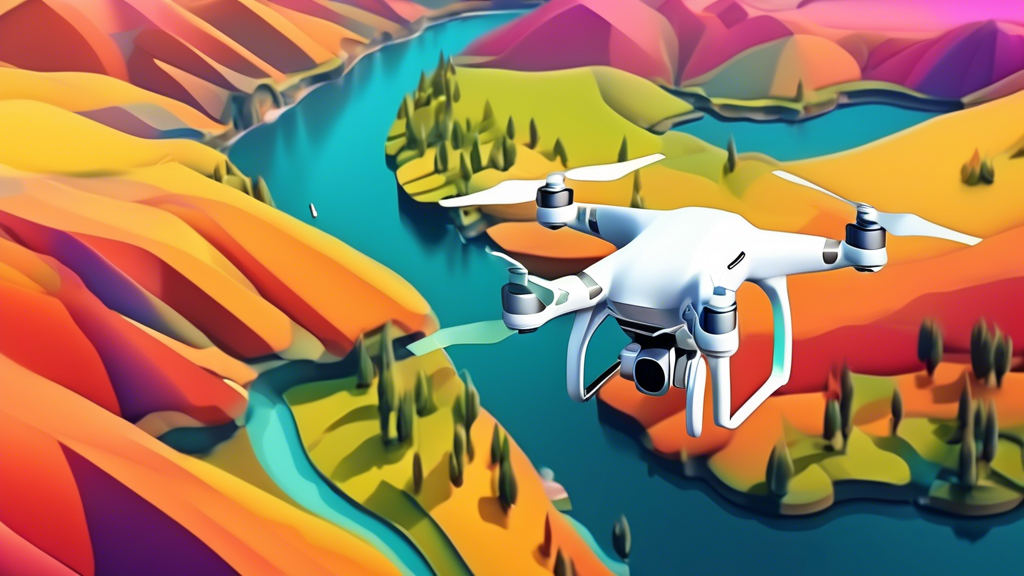
A drone flying over a scenic landscape, capturing aerial photography

Finding the Perfect Launchpad

The thrill of piloting a drone and capturing breathtaking aerial footage is unparalleled. However, before you take to the skies, it’s crucial to identify safe and legal flying zones for your drone adventures. With regulations varying across regions, pinpointing the ideal location can be a challenge. Fret not, aspiring drone pilots, for we’re here to guide you on your quest for the perfect launchpad!

1. Embrace the Great Outdoors: Parks and Recreation Areas

Local parks and recreational areas often provide ample space for drone flight, making them a popular choice among enthusiasts. However, it’s essential to check local ordinances and park regulations beforehand, as some may have restrictions or designated flying zones. Researching online or contacting park authorities can save you from unexpected hassles.

2. Unleash Your Drone in Open Fields and Farmlands

Vast open fields and farmlands offer unobstructed airspace and stunning panoramic views, perfect for capturing breathtaking drone footage. If you’re considering these locations, seek permission from landowners to ensure a smooth and respectful flying experience. Respecting private property is paramount to maintaining positive relationships within the community.

3. Explore the Wilderness: National Forests and BLM Lands

For the adventurous drone pilot, national forests and BLM (Bureau of Land Management) lands present a treasure trove of scenic landscapes. These expansive areas typically allow drone flight, but it’s crucial to adhere to any specific guidelines or restrictions set forth by the managing agencies. Responsible flying ensures the preservation of these natural wonders.

4. Soar Above the Shoreline: Beaches and Coastal Areas

The allure of capturing coastal beauty from a bird’s-eye view is undeniable. Beaches and coastal areas can offer fantastic drone flying opportunities, but be mindful of local regulations and potential restrictions due to wildlife protection or nesting areas. Additionally, strong winds and interference from seagulls are factors to consider when planning your coastal drone adventure.

5. Seek Specialized Flying Sites: Drone Parks and Clubs

Dedicated drone parks and clubs are popping up across the country, providing safe and controlled environments for enthusiasts to hone their skills. These venues often feature obstacle courses, landing pads, and a community of passionate drone pilots eager to share their knowledge and experiences. Joining a local club can open doors to a world of camaraderie and learning.

6. Elevate Your Urban Exploration: City Parks and Designated Zones

While urban areas present more challenges for drone flight due to population density and potential hazards, some cities have designated zones or parks where drone flying is permitted. Researching local regulations and identifying these designated areas is essential for a safe and enjoyable urban drone experience.

7. Respecting Privacy and Safety

Regardless of your chosen location, prioritizing safety and respecting privacy are paramount. Always maintain a safe distance from people, buildings, and other aircraft. Avoid flying over private property without permission, and be mindful of noise levels to minimize disturbance. Responsible drone operation ensures a positive experience for everyone.

Navigating the Regulatory Landscape

Drone regulations can vary significantly depending on your location. The Federal Aviation Administration (FAA) governs drone flight in the United States, while other countries have their own aviation authorities and guidelines. Familiarizing yourself with the specific rules and requirements in your area is essential to avoid potential fines or legal issues.

Essential Resources for Drone Pilots

Several online resources can assist you in finding suitable drone flying locations and understanding local regulations. The FAA’s B4UFLY app provides real-time information on airspace restrictions and advisories, while websites like AirMap offer interactive maps displaying no-fly zones and other relevant data. Additionally, local drone clubs and online communities can provide valuable insights and support.

testing

## DALL-E Prompt:nnA surreal photograph of a lone astronaut lost in a labyrinth of giant, floating books, bathed in the ethereal glow of a distant nebula.

How Big Are Military Drones?

Military drones, also known as Unmanned Aerial Vehicles (UAVs), come in a wide range of sizes, each tailored to specific missions and capabilities. From small, hand-launched models to large, high-altitude aircraft, the size of a military drone directly impacts its function, range, and payload capacity.

Micro and Miniature Drones: The Tiny Titans of Surveillance

At the smallest end of the spectrum, we have micro and miniature drones, often used for close-range surveillance and reconnaissance. These drones can be as small as a few inches in length, with some even resembling small birds or insects. Their compact size allows them to navigate tight spaces, making them ideal for urban operations or indoor exploration.

Examples of micro drones include the Black Hornet Nano, used by several militaries for its exceptional portability and stealth capabilities. These drones are typically hand-launched and can provide real-time video feeds to operators on the ground.

Small Tactical Drones: The Workhorses of Modern Warfare

Moving up in size, we encounter small tactical drones, a category encompassing a variety of platforms with diverse capabilities. These drones range from a few feet to several meters in wingspan and are designed for tasks such as battlefield reconnaissance, target acquisition, and light payload delivery.

The RQ-7 Shadow and RQ-11 Raven are well-known examples of small tactical drones, widely employed by the US military and its allies. These drones offer extended flight times and can carry payloads such as electro-optical/infrared (EO/IR) cameras and laser designators.

Medium-Altitude, Long-Endurance (MALE) Drones: The Eyes in the Sky

MALE drones represent a significant step up in size and capability. These aircraft boast impressive endurance, often exceeding 24 hours of continuous flight, and operate at medium altitudes, typically between 10,000 and 30,000 feet. Their primary functions include intelligence gathering, surveillance, and reconnaissance over large areas.

The MQ-9 Reaper and MQ-1 Predator are iconic examples of MALE drones, renowned for their versatility and effectiveness in various military operations. These drones can carry a range of payloads, including Hellfire missiles, laser-guided bombs, and advanced sensor systems.

High-Altitude, Long-Endurance (HALE) Drones: Reaching for the Stratosphere

HALE drones represent the pinnacle of unmanned aerial systems, operating at altitudes exceeding 60,000 feet and remaining airborne for days at a time. These drones are designed for strategic missions, providing persistent surveillance over vast areas and acting as communication relays.

The RQ-4 Global Hawk is a prime example of a HALE drone, capable of covering immense distances and carrying sophisticated sensor suites for intelligence gathering. Its high-altitude capability allows it to operate above most weather disturbances and air defense systems.

Beyond Size: The Evolution of Military Drones

While size plays a crucial role in determining a drone’s capabilities, other factors contribute to their effectiveness and versatility. Advancements in materials science, propulsion systems, and autonomous flight control are constantly pushing the boundaries of drone technology.

Future military drones are expected to exhibit even greater autonomy, allowing them to perform complex missions with minimal human intervention. Additionally, swarm technology, where multiple drones cooperate as a single unit, holds significant potential for overwhelming adversary defenses and conducting coordinated attacks.

The Impact of Drone Size on Military Operations

The varying sizes of military drones offer commanders a wide array of options, enabling them to tailor their aerial assets to specific mission requirements. Smaller drones provide agility and covertness, ideal for close-quarters operations, while larger platforms offer extended range, endurance, and the ability to carry heavier payloads.

The continued development and deployment of military drones of all sizes have revolutionized modern warfare, providing unparalleled reconnaissance capabilities, precision strike options, and a reduced risk to human pilots.

Remote ID for Drones: Explained

This is a test of the alt text

What is Remote ID?

Remote ID is a cutting-edge technology that’s revolutionizing the drone industry. Essentially, it acts as a digital license plate for drones, broadcasting identification and location information in real-time. Think of it as a virtual air traffic control system for unmanned aerial vehicles (UAVs). This system enhances safety and security within the airspace, enabling authorities and other airspace users to identify and track drones during flight.

How Does Remote ID Work?

Remote ID utilizes radio frequencies to transmit crucial data about a drone in flight. This information typically includes:

  • Unique Drone ID
  • Location (latitude, longitude, altitude)
  • Velocity
  • Takeoff Location
  • Control Station Location (for piloted drones)
  • Emergency Status

The transmission methods for Remote ID can vary. Some drones might have built-in broadcast modules, while others might require external devices to comply with Remote ID regulations.

Why is Remote ID Important?

The implementation of Remote ID brings forth numerous benefits for the drone industry and beyond:

  • **Enhanced Safety:** Remote ID allows authorities and other drone pilots to identify and track drones in the airspace, reducing the risk of collisions and unauthorized drone operations near sensitive areas.
  • **Improved Security:** By providing real-time location data, Remote ID assists law enforcement in identifying and apprehending operators who misuse drones for illegal activities.
  • **Accountability and Transparency:** Remote ID promotes responsible drone usage by making operators accountable for their actions, fostering trust within communities and the public.
  • **Integration with Manned Aircraft:** Remote ID paves the way for the safe integration of drones into the national airspace system alongside manned aircraft.
  • **Unlocking Advanced Operations:** With Remote ID in place, regulators can consider granting permissions for more complex drone operations, such as beyond visual line of sight (BVLOS) flights, opening doors to new commercial drone applications.

Remote ID Regulations

Several countries are actively developing and implementing Remote ID regulations to ensure safe and responsible drone usage. The specifics of these regulations may vary but generally encompass aspects such as:

  • **Technical Standards:** Defining the required message format, transmission protocols, and performance standards for Remote ID equipment.
  • **Equipment Requirements:** Specifying the types of drones that must be equipped with Remote ID and any necessary external devices.
  • **Operational Requirements:** Outlining the rules for operating drones with Remote ID, including airspace restrictions and flight permissions.
  • **Data Privacy:** Establishing guidelines on data collection, storage, and access to protect the privacy of drone operators and other stakeholders.

Implications for Drone Pilots

Drone pilots need to stay informed about the evolving Remote ID regulations in their respective regions. Key considerations include:

  • **Compliance:** Ensure your drone complies with the Remote ID requirements or equip it with necessary external devices.
  • **Registration:** Register your drone and obtain any necessary licenses or permits as per local regulations.
  • **Operational Awareness:** Understand the airspace restrictions and flight permissions related to Remote ID operations.
  • **Privacy Considerations:** Be aware of how your data is collected and used within the Remote ID system.

The Future of Remote ID

Remote ID represents a significant step forward in the development of a robust and secure drone ecosystem. As technology advances and regulations mature, we can expect even more sophisticated Remote ID solutions with enhanced capabilities. This will further improve airspace safety, unlock new possibilities for drone applications, and pave the way for the seamless integration of drones into our everyday lives.